
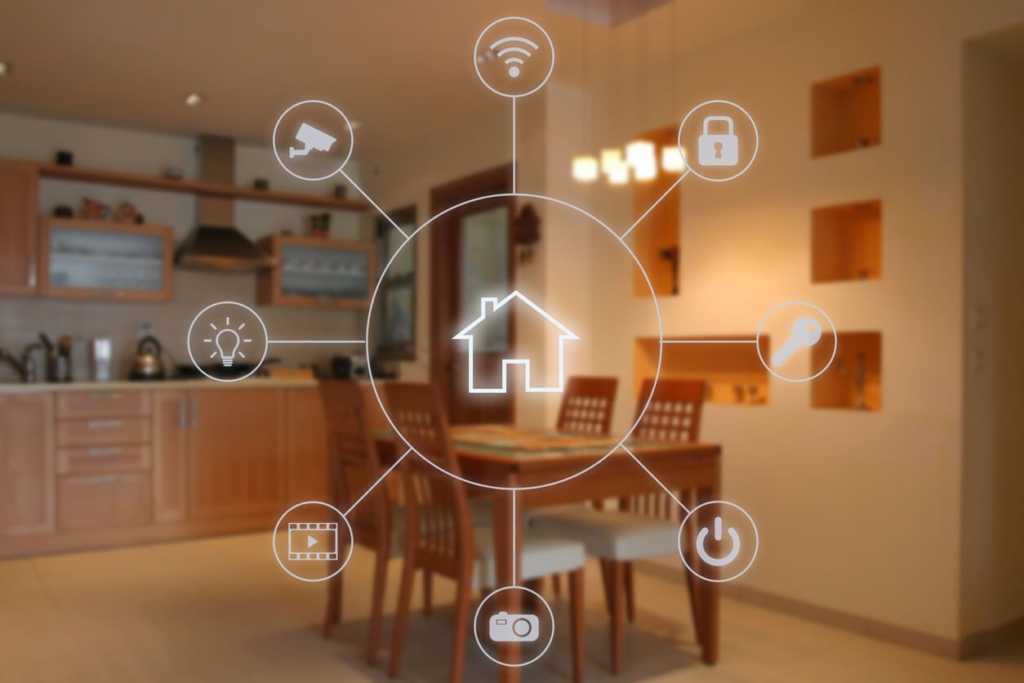
The Dutch housing market has long rewarded practical decisions. Buyers in Amsterdam, Rotterdam, and Utrecht now show up to viewings with a mental checklist, and smart home features are firmly on it. Still, not every upgrade adds real value. Knowing which improvements genuinely make a difference at resale can save homeowners thousands of euros and a lot of wasted effort.
Why Most Smart Upgrades Fall Short at Appraisal
Tech for the sake of tech rarely impresses an appraiser. A voice-controlled espresso machine or motorised curtains may be fun for the current owner, but many buyers see extra hassle instead of added value. The upgrades that have the biggest impact usually do one simple thing well. They solve real problems for the next owner. That is why professionally integrated smart home systems often perform better than DIY setups when appraisal time comes.
This holds true across different kinds of properties. A properly installed smart security system with professional cabling and a straightforward interface can add clear value. A mix of third-party gadgets running through one outdated app usually does the opposite. That difference becomes especially important the moment a surveyor steps inside.
The Upgrades That Consistently Pay Off
In 2026, energy efficiency is at the centre of the conversation, and with good reason. Dutch buyers pay close attention to energy labels, and homes with strong ratings often sell for more. Energy-saving improvements continue to beat flashier upgrades at resale, and features such as smart thermostats and better insulation offer some of the strongest returns for homeowners getting ready to sell.
The upgrades most likely to generate a positive return include:
- Smart thermostats connected to heat pump systems, particularly those compatible with Dutch energy providers
- Solar panel monitoring systems that display real-time output and savings data
- Smart door locks and video doorbells with professional installation and clean aesthetics
- Automated lighting systems tied to energy management rather than novelty features
- EV charging infrastructure in garage-equipped properties, reflecting the growth of electric vehicle ownership across the Netherlands
What these upgrades have in common is fairly straightforward. They lower running costs for the next owner, improve security or convenience in ways people can actually notice, and fit neatly into the home’s existing infrastructure. In many cases, focusing on simple home improvement activities that pay off makes far more sense than chasing eye-catching technology that will feel dated in a few years.
What Rarely Justifies the Cost
High-end home theatre systems, custom smart kitchen appliances, and elaborate whole-home audio setups usually offer weak resale returns. They appeal to a fairly limited group of buyers, and sellers often end up either lowering the asking price or removing the technology before the property goes on the market.
The same goes for overly complicated automation systems. If the lighting, heating, and security all rely on one proprietary hub, buyers tend to see risk instead of convenience. A basic understanding of how upgrades impact long-term ROI can help homeowners avoid spending heavily on improvements that lose value faster than the property itself.
The Payment Dimension of Smart Home Investment
Planning a smart home upgrade also means thinking carefully about how the work will be financed and managed. Dutch consumers increasingly use flexible digital payment options for home improvement spending, whether that means contractor deposits or appliance orders through online retailers. Buy-now-pay-later services are now a familiar part of Dutch e-commerce, and that instalment mindset has spread into other forms of digital spending as well. One area where this model has gained clear traction is online entertainment, where platforms offering flexible payment methods have grown quickly. Dutch consumers researching payment options for digital services often come across Klarna casino platforms, where Klarna’s familiar checkout process is used for deposit-based entertainment much like it is across retail. The underlying behaviour is the same. Dutch users tend to prefer payment methods that feel familiar, secure, and reversible.
Protecting the Investment After the Work Is Done
Once the upgrades are finished, the financial risk does not simply disappear. If a smart thermostat fails six months after installation, or a security system starts developing faults, buyer confidence can drop quickly. Protecting your home upgrades with a warranty is something many Dutch homeowners do not think about until a problem shows up at exactly the wrong time.
A home warranty that covers smart systems and integrated appliances can give both the current owner and future buyers more confidence that the technology will work as promised. In a competitive market, that added reassurance can make the difference between a quick sale and a drawn-out negotiation.
Making the Right Call Before Listing
Smart home upgrades in 2026 reward clear thinking more than ambition. Dutch buyers are informed, practical, and increasingly focused on running costs. Investments that cut energy bills, improve security, and work smoothly with established platforms will keep outperforming novelty tech in the resale market.
The strongest position for any seller is to make sure every upgrade tells an easy-to-understand story. This improvement saves money, adds security, or makes everyday life simpler. That is the kind of story buyers and appraisers respond to most consistently, especially when the technology is well chosen and professionally installed.
More Stories
Securing the Smart Home: Protecting Connected Devices
In-Depth Analysis: THT HomeFriendlyTech by The Home Trotters – Hands-On Test, Pros, and Final Verdict (2026)
Home For The Home Trotters: Friendly Tech To Make Coming Home Effortless In 2026