
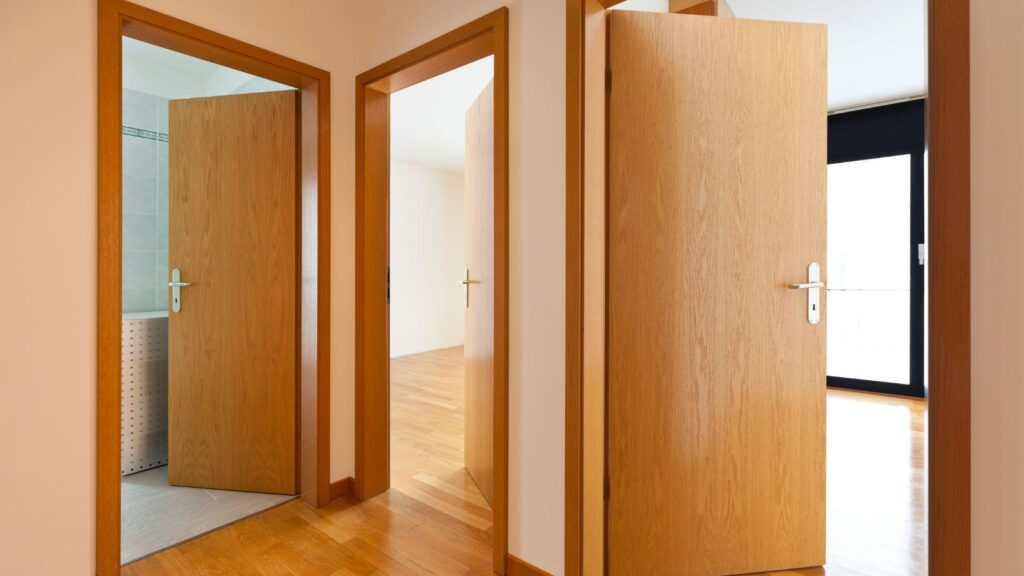
Interior doors are an important part of every home. Many people focus on furniture, flooring, or wall colors, but doors also play a big role in both style and daily comfort. The right interior door can improve privacy, reduce noise, and make every room look more complete.
Whether you are building a new house or renovating an old one, choosing the right interior doors requires more than simply picking a design. You should think about the purpose of each room, the available space, the material, and the overall style of your home.
Why Interior Doors Matter
Interior doors separate different areas of a home while creating a smooth flow from one room to another. They provide privacy, improve sound control, and add to the overall appearance of the interior. When selecting interior doors for home, it is important to consider the purpose of each room, the style of the house, and the level of privacy and durability you need.
A well-chosen door can:
- Help reduce noise.
- Match the home’s interior design.
- Improve the value and appearance of the property.
- Create a more comfortable living environment.
Because every room serves a different purpose, each door should be selected according to its function.
Consider the Purpose of Each Room
Before choosing a door, think about how the room is used.
Bedrooms
Bedrooms require privacy and quietness. Solid-core doors are often preferred because they help reduce noise between rooms and provide a stronger feeling of privacy.
Bathrooms
Bathroom doors should be resistant to moisture and humidity. Materials with durable finishes are usually better suited for these spaces because they are easier to maintain over time.
Home Office
A home office benefits from doors that minimize outside distractions. Solid-core doors can help create a quieter workspace, especially when people are working from home.
Living Room
Living rooms often connect multiple spaces together. Depending on the home’s layout, traditional hinged doors, French doors, or glass-panel doors can create an open and welcoming feel while still separating different areas.
Different Types of Interior Doors
There are several types of interior doors available, and each works well in different situations.
Hinged Doors
Hinged doors are the most common option in residential homes. They are simple, reliable, and suitable for almost every room.
Sliding Doors
Sliding doors move along a track instead of swinging open. They are a practical solution for rooms where floor space is limited.
Pocket Doors
Pocket doors slide into the wall when opened. They save space and work well in bathrooms, laundry rooms, and smaller living areas.
French Doors
French doors feature large glass panels that allow natural light to pass between rooms. They are commonly used for home offices, dining rooms, and living rooms.
Double Doors
Double doors create a wider entrance and add a balanced appearance to larger rooms such as master bedrooms or formal living spaces.
Choosing the Right Door Material
The material of an interior door plays an important role in its durability, appearance, maintenance, and overall performance. Solid wood doors are a popular choice because they offer a timeless look, excellent strength, and good sound insulation. However, they may need regular maintenance in areas where humidity levels change throughout the year. Solid-core doors are another reliable option, featuring a dense inner core covered with wood veneer or composite materials. They provide better noise reduction than hollow-core doors and are often a more affordable alternative to solid wood. Hollow-core doors are lightweight, easy to install, and budget-friendly, making them suitable for closets, pantries, and rooms where sound insulation is less important. Glass doors are also widely used in modern homes because they allow natural light to flow between rooms, creating a brighter and more open feel. For spaces that require privacy, frosted or textured glass can offer a balance between light and privacy.
Match Doors with Your Home’s Style
Interior doors should complement the overall design of the house.
Modern homes often feature clean lines, smooth finishes, and minimalist designs.
Traditional homes usually include raised panels, decorative details, and warm wood finishes.
Farmhouse-style homes often use shaker-style doors that offer a simple yet timeless appearance.
Industrial interiors may combine metal frames with glass panels to create a contemporary look.
Selecting a consistent door style throughout the home helps create a unified design.
Think About Door Size
Standard door sizes work well for most homes, but larger openings may require custom solutions.
When replacing an existing door, always measure:
- Door width
- Door thickness
- Door frame dimensions
Accurate measurements help prevent installation problems and ensure a proper fit.
Don’t Forget Hardware
Door hardware is just as important as the door itself.
Handles, hinges, locks, and finishes should match both the door and the overall interior design.
Popular hardware finishes include:
- Satin nickel
- Brushed brass
- Chrome
- Oil-rubbed bronze
Choosing matching hardware throughout the home creates a cleaner and more consistent appearance.
Energy Efficiency and Indoor Comfort
Although exterior doors usually receive more attention for insulation, interior doors also contribute to overall comfort.
Solid-core doors can reduce sound transfer between rooms, making bedrooms, offices, and study areas more peaceful.
Properly installed doors also help maintain separation between heated and cooled spaces inside larger homes.
Maintenance Tips
Taking care of interior doors helps them last longer.
Simple maintenance includes:
- Cleaning with a soft cloth.
- Tightening loose hinges.
- Lubricating moving hardware when needed.
- Repairing small scratches before they become larger.
Proper maintenance keeps doors looking attractive for many years.
Finding Quality Interior Door Options
When choosing new doors, it helps to work with suppliers that offer a wide selection of styles, materials, and finishes. Companies with long experience in the door industry often provide products designed to meet different architectural styles and functional needs. For homeowners looking to explore various interior doors for home, it is useful to compare available designs, construction materials, and installation options before making a final decision.
Installation Matters
Even a high-quality door may not perform well if it is installed incorrectly.
Professional installation helps ensure:
- Proper alignment.
- Secure hardware placement.
- Better durability over time.
If you plan to install doors yourself, carefully follow the manufacturer’s instructions and double-check all measurements before beginning.
Common Mistakes to Avoid
Many homeowners make simple mistakes when choosing interior doors.
Choosing Only Based on Appearance
A beautiful door should also meet the practical needs of the room. Privacy, durability, and sound control are equally important.
Ignoring Room Size
Large doors may overwhelm smaller rooms, while narrow doors may not suit spacious interiors. Always consider the proportions of the space.
Mixing Too Many Styles
Using completely different door styles throughout the home can create an inconsistent look. Maintaining a similar design theme usually produces better results.
Forgetting Future Maintenance
Some finishes and materials require more maintenance than others. Choose doors that fit both your lifestyle and maintenance preferences.
Conclusion
Interior doors do much more than separate rooms. They contribute to privacy, comfort, functionality, and the overall appearance of a home. Choosing the right door involves considering room purpose, material, style, size, and long-term maintenance.
By understanding the available options and selecting doors that fit both your practical needs and interior design, you can create living spaces that are attractive, functional, and comfortable for years to come. Careful planning and quality products help ensure that every room in your home benefits from doors that perform well while complementing the overall design.
More Stories
How to Choose Wood Flooring in Singapore Without Getting Caught by the Price Tag
A Practical Guide to Planning and Maintaining Your Outdoor Living Room
Designing Spaces for Connection: What Vacation Homes Get Right About Entertaining