
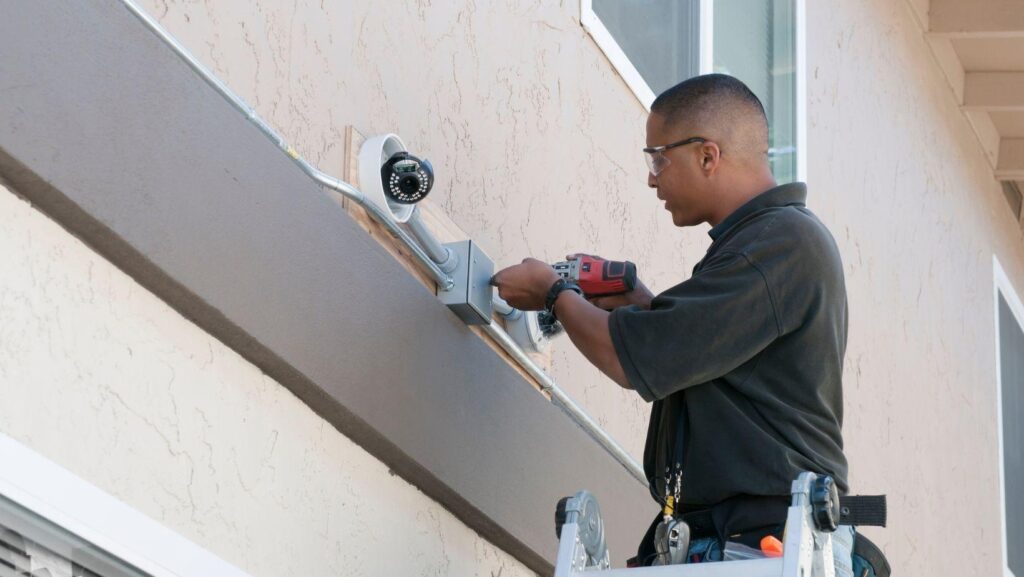
When managing apartment buildings or commercial properties, choosing the right security system can feel overwhelming. Many property managers rush to install cameras without fully understanding their unique security needs. Did you know that over 60% of security failures in commercial buildings happen because the system wasn’t tailored to the property’s specific risks? This article will guide you through how to choose a security system for apartment buildings and commercial properties, helping you avoid common mistakes and enhance safety effectively.
Starting with the first multifamily security systems step is crucial. Proper planning ensures your investment offers real protection rather than just a false sense of security.
Understanding the Unique Needs of Apartment Buildings
Apartment complexes have distinct security challenges compared to other commercial properties. Residents expect not only safety but also privacy and convenience. It’s essential to consider access control, common area monitoring, and emergency response integration.
Tailoring Security to Resident Lifestyle
An ideal system balances visible deterrents like cameras with discreet monitoring options that respect tenant privacy. Access points such as entrances, parking garages, and elevators require layered security measures.
The Role of Integrated Systems
Integrated security solutions that combine alarms, video, and access control allow for better incident response. These systems often connect with mobile apps, enabling residents to receive alerts and interact with building management.
Commercial Property Security: Beyond Basic Surveillance
Commercial properties, especially those with high-value assets, need comprehensive strategies. Warehouses and distribution centers, for example, face threats ranging from theft to vandalism and unauthorized access.
Specialized Solutions for High-Risk Areas
For logistics hubs, the importance of security systems for warehouses cannot be overstated. These systems include perimeter detection, motion sensors, and sophisticated alarm protocols to protect inventory.
Environmental and Operational Considerations
Security systems must accommodate operational hours, vehicle traffic, and loading dock activity. The design should minimize false alarms while maximizing detection accuracy.
Strategic Camera Placement
Surveillance should prioritize entrances, exits, stairwells, and parking areas. Using a mix of fixed and PTZ (pan-tilt-zoom) cameras allows comprehensive coverage and flexibility.
Technology Choices Impact Effectiveness
Modern IP cameras offer better resolution and remote access compared to older analog models. Incorporating analytics such as facial recognition and motion detection can enhance threat detection.
Here’s a quick comparison of surveillance options:
|
Feature |
Analog Cameras |
IP Cameras |
IP Cameras with Analytics |
|
Image Quality |
Standard Definition |
High Definition |
High Definition |
|
Remote Access |
Limited |
Full |
Full |
|
Advanced Features |
None |
Basic |
Facial Recognition, Motion Alerts |
|
Cost |
Low |
Moderate |
Higher |
Practical Tips for Choosing the Right System
Selecting the right system requires a clear understanding of your property’s vulnerabilities and operational needs.
Key considerations include:
- Scalability: Can the system grow as your property expands?
- User-Friendliness: Is the interface accessible to property managers and security personnel?
- Maintenance: Are there support services and warranties to keep systems operational?
- Compliance: Does the system meet local regulations and privacy laws?
Pro Tip:Always conduct a thorough site assessment with security professionals before purchasing equipment. This ensures your system matches your specific environment and challenges.
Balancing Cost with Security Needs
While budget constraints are real, cutting corners on security can lead to costly breaches. Invest wisely by focusing on high-impact areas and scalable solutions that offer long-term value.
Prioritizing Investments
Start with foundational elements like access control and a reliable video system before adding extras. Consider cloud-based solutions for easier upgrades and lower upfront costs.
Vendor Reputation and Support
Choose vendors with proven experience in your property type. Reliable technical support and training can prevent downtime and misuse.
Conclusion: Making Informed Security Choices
Choosing how to protect apartment buildings and commercial properties goes beyond installing cameras. It requires understanding specific risks and investing in tailored solutions such as multifamily security systems and specialized setups like security systems for warehouses. A thoughtfully planned video surveillance system design integrates technology and human factors to provide comprehensive safety.
By focusing on strategic design and professional consultation, property managers can avoid common pitfalls and create secure environments. Taking these steps today will help ensure your property’s security system remains effective well into the future.
More Stories
What Baby Roaches in the Kitchen Can Reveal About a Hidden Infestation
What Homebuyers Should Ask About a Property’s Pest History
How Home Trotters’ Interior Signs Boost Household Safety In 2026