
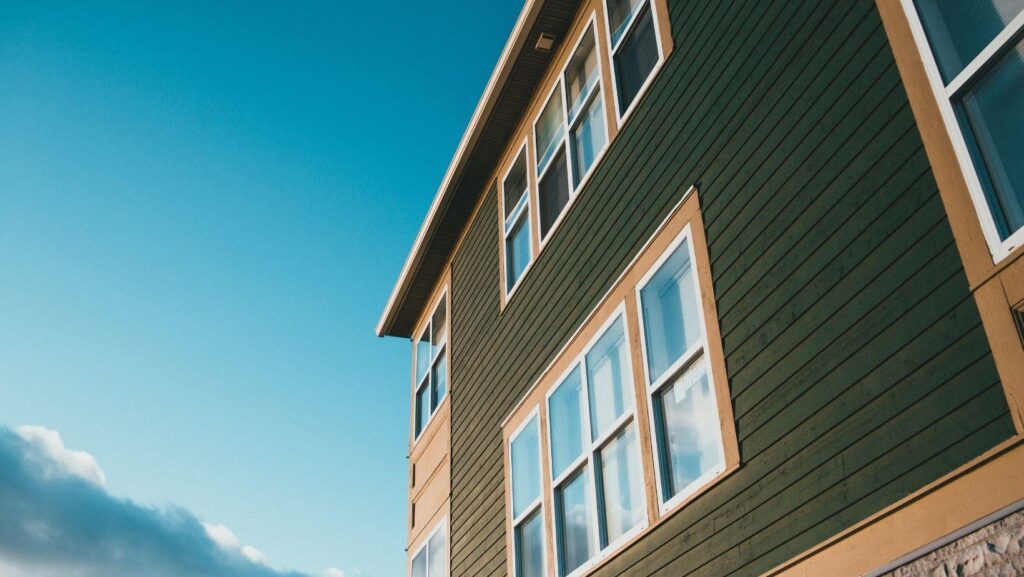
New siding is one of the most visible home improvement investments a homeowner can make, and one of the most misunderstood in terms of what the project actually involves. The siding panels that cover the exterior of a house are the part that gets photographed for before-and-after comparisons and that drives the aesthetic decision. They are also a fraction of what determines whether the project actually performs as expected over a decade — the rest of that determination comes from what is underneath the panels, how they are installed, and whether the contractor who installed them understood the full scope of what exterior replacement requires.
What Vinyl Siding Offers Over Other Exterior Materials in Terms of Cost, Maintenance, and Longevity
Vinyl siding has become the dominant residential exterior material in the Chicago area for reasons that reflect both its practical performance in a northern climate and its cost profile relative to alternatives.
In a climate that produces significant temperature swings — from below-zero winter temperatures to humid summer highs — exterior materials face thermal cycling stress that compounds over years. Vinyl's response to thermal cycling differs from wood and fiber cement: it expands and contracts with temperature changes rather than cracking or absorbing moisture in ways that cause rot or delamination. The material does not require painting, does not rot, and does not provide a substrate for insect activity in the way that wood does. In practical terms, the maintenance cycle for vinyl siding over a ten-year period is substantially shorter than for painted wood siding, which requires repainting every five to seven years and periodic repair of rotted or damaged sections.
Fiber cement siding — most commonly associated with the HardiePlank brand — is the alternative that has gained significant market share in the premium residential market. Fiber cement provides greater impact resistance than vinyl, holds paint exceptionally well, and can be installed in profiles that more closely approximate wood grain than standard vinyl. Its cost is higher than vinyl — both in material cost and in the labor required to cut and install a heavier material — and it requires painting, which is a maintenance obligation vinyl does not share. For homeowners with specific aesthetic goals or properties where the impact resistance of a harder material is relevant, fiber cement is a legitimate consideration. For the majority of Chicago-area residential applications where cost, maintenance reduction, and long-term weather performance are the primary factors, vinyl's performance profile addresses all three.
Insulated vinyl siding — vinyl panels with a rigid foam backing bonded to the interior surface — provides thermal performance benefits beyond the standard vinyl product. The foam backing reduces thermal bridging through the wall assembly, which affects the home's energy performance and can reduce heating and cooling costs over the product's lifespan. The cost premium for insulated over standard vinyl is material and labor-driven; the return in energy savings depends on the existing wall insulation situation of the specific home.
How to Evaluate a Siding Contractor’s Work Before Signing an Installation Agreement
The contractor installing the siding determines the quality of the finished project as much as the material selected, and the evaluation of a contractor requires looking beyond the quote to the evidence of how they actually work.
Licensing and insurance are the baseline requirements. In Illinois, home improvement contractors must comply with state licensing requirements, and local municipalities in the Chicago area have their own licensing requirements that may apply to specific scopes of work. A siding contractor who operates without appropriate licensing and without general liability and workers' compensation insurance creates financial and legal exposure for the homeowner that no material selection can offset.
Local installation history is the most informative evidence of contractor quality available before signing. Ask for the addresses of projects completed in the Chicago area within the last two years, and drive past them. Look at the corner J-channel work — the quality of corner trim installation is one of the most visible indicators of installation care. Look at the flashing around windows and doors — whether trim is cut cleanly, whether the joint between the siding and the window frame is weatherproofed properly, and whether the profiles are consistent. A contractor whose installed work looks right from the street was almost certainly careful with the details that are not visible from the street.
The quality of the site preparation scope in the quote reveals something about the contractor's understanding of what exterior replacement actually requires. Proper siding replacement involves removal of the existing siding, inspection and repair of the sheathing underneath, installation of house wrap or building paper to provide a weather-resistive barrier, and then installation of the new siding over that prepared substrate. A quote that does not address what happens to the existing siding, what condition the sheathing is expected to be in, and how damaged sheathing will be handled is a quote that will produce change orders when those conditions are discovered during the project.
For Chicago homeowners considering siding as part of a broader exterior remodel, home remodeling chicago near me provides the full exterior assessment — siding, trim, and related components — that allows the project to be scoped and priced accurately before work begins.
What the Full Scope of a Siding Replacement Project Includes Beyond the Panels Themselves
Siding replacement involves more than the siding panels, and the line items that are not in the initial quote are the ones that produce the gap between estimate and final cost.
Trim work — the J-channel at corners, the starter strip at the bottom course, the J-channel around all windows and doors, the F-channel at soffits, and any decorative trim elements — is a significant labor component of any siding installation. The trim must be measured, cut, and installed with consistent profiles across the entire exterior. On a typical Chicago-area house with multiple window and door openings, the linear footage of trim work can rival the square footage of the siding panels themselves in terms of installation time.
House wrap installation is a building code requirement in Illinois for new siding installations and should be part of any responsible replacement project even where the code has not been explicitly enforced. House wrap provides the weather-resistive barrier that keeps bulk water from penetrating the wall assembly when siding is damaged, improperly sealed, or exposed to wind-driven rain. A project that installs new siding over old siding without removing it first — or that installs over damaged or absent house wrap — does not provide the weather protection that new siding is supposed to deliver.
Sheathing repair or replacement is a cost that cannot be fully quoted until the existing siding is removed and the sheathing condition is visible. A home with rot damage, impact damage, or moisture damage in the sheathing requires repair before the siding is installed. A responsible contractor includes a per-square-foot rate for sheathing replacement in the original quote as an allowance, so the homeowner understands that this cost exists and what it will be if repair is needed. A contractor who does not address sheathing repair in the quote is a contractor who will present it as a change order.
For homeowners in Chicago considering a siding replacement, a siding company chicago provides a full scope quote that addresses removal, house wrap, sheathing assessment, siding installation, and all trim work — so the estimate reflects the actual cost of the complete project rather than the panels alone.
How Exterior Siding Choice Affects Home Value and Curb Appeal During a Broader Remodel
Siding replacement is consistently rated among the highest-return home improvement projects in the residential real estate market, because exterior condition directly affects first impressions and, through them, buyer perception of overall property condition.
A home with deteriorated or outdated siding communicates condition concerns to a buyer before they step inside. Chalking paint on old aluminum siding, warped or missing sections of vinyl, or stained and deteriorated fiber cement all suggest deferred maintenance — and buyers apply that perception to their assessment of what other maintenance may have been deferred. New siding, by contrast, communicates that the exterior envelope has been addressed and that the buyer is not inheriting that maintenance obligation.
The material and color choice in a siding project affects curb appeal in ways that are neighborhood-specific. A color selection that is in harmony with the architectural character of the surrounding block and with the existing trim, roofing, and other exterior elements of the home is a choice that reads as intentional and considered. A selection that is significantly out of step with the neighborhood character or that clashes with the home's fixed elements may satisfy personal preference while reducing the property's appeal to future buyers.
Vinyl siding's color retention — the ability of the material to hold its color without chalking or fading — varies by manufacturer and product line. Premium vinyl products use UV-resistant pigments that maintain color longer than standard products. Specifying the product line and color retention warranty at the time of the siding quote prevents the substitution of a lower-grade product that looks identical on installation day but performs differently over five to ten years.
For the specific material options available in the Chicago climate, vinyl siding chicago includes the insulated and standard vinyl options that perform well in the northern Illinois environment, with product specifications and warranty terms that reflect what the material will actually deliver over its lifespan.
More Stories
5 Signs You Need Appliance Repair Experts Right Away
Why Renovating an Attic Requires Attention to Heat & Air Movement
How to Choose a Long-Distance Moving Company in Illinois