
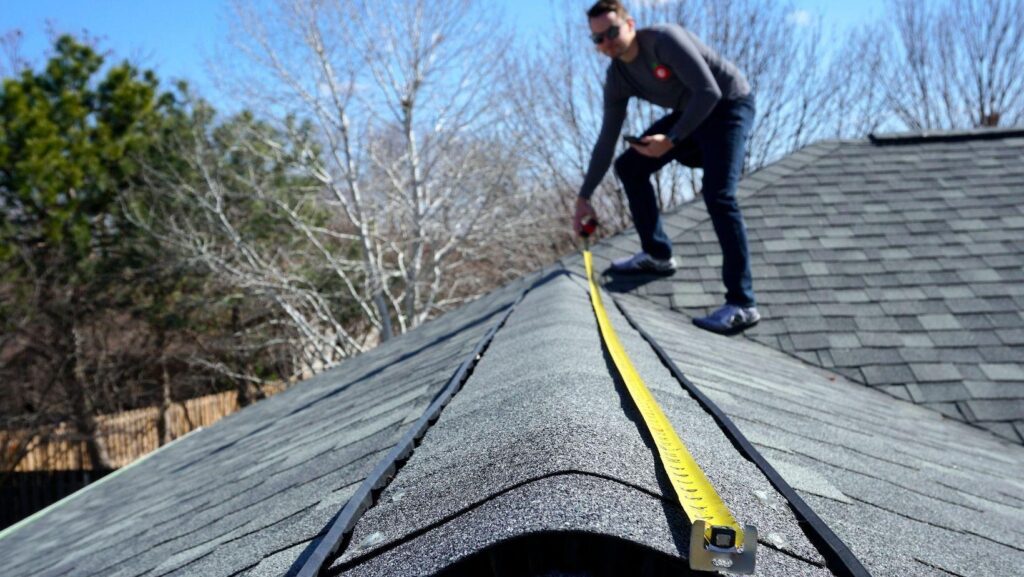
A roof that is performing well is invisible. It keeps water out, regulates temperature, and generates no concerns. The first indication that something has changed is often a water stain on a ceiling, a drip during a storm, or a missing shingle noticed from the street. By the time any of those signals appear, the damage underlying them has typically been developing for weeks or months — and the range of responses available, and their cost, is no longer what it was when the problem was smaller.
This piece is about how to choose a roofing contractor before you need one urgently — how to evaluate estimates, how to assess a contractor's track record, what damage looks like before it surfaces as an interior problem, and how roofing material choices affect long-term performance in the humidity and storm patterns of Middle and East Tennessee.
What Separates a Legitimate Roofing Estimate from One Designed to Upsell Unnecessary Work
The roofing industry has a significant population of contractors whose business model depends on identifying more work than actually exists — inflating assessments of damage, recommending replacement when repair is appropriate, or adding line items that are standard inclusions presented as premium additions. Distinguishing between a legitimate estimate and one built around margin extraction requires understanding what a roofing estimate should actually contain.
A legitimate roofing estimate specifies the exact scope of work — not 'repair roof' but the specific area being addressed, the specific materials being used, the manufacturer and product name for shingles or other materials, the specific removal and replacement of underlayment and any damaged decking, and the specific flashing details at penetrations, valleys, and eaves. The specificity is the test. An estimate that describes the work in general terms is an estimate that can mean different things to different people and that provides no basis for holding the contractor accountable.
Material specifications matter significantly. Shingles are marketed in a range of warranty tiers — architectural shingles carry different warranty periods depending on the manufacturer and product tier — and the warranted performance is relevant to the price you are paying. An estimate that specifies 'architectural shingles' without a manufacturer name and product line is an estimate that could be fulfilled with the cheapest available product regardless of what was discussed. Ask for the manufacturer name, product name, and warranty period to be specified in writing before signing.
Storm chasers are a specific category of contractor that concentrates in the aftermath of significant weather events — the large hail storms, wind events, and tornado damage that occur regularly across Middle Tennessee. These contractors often appear within days of a storm, offer to file insurance claims on the homeowner's behalf (which is a licensed public adjuster function, not a roofing contractor function in Tennessee), and may use high-pressure sales tactics that exploit the urgency of the situation. The fact that a contractor is local and has an established presence — an office address, a verifiable business history, references from completed work in the area — is the most reliable indicator that they will still be reachable after the work is done and a problem arises.
How to Evaluate a Roofing Contractor’s Local Track Record Before Signing Anything
Contractor evaluation in the roofing industry requires looking past the marketing to the verifiable record of completed work and professional standing.
Licensing and insurance are the baseline. Tennessee requires roofing contractors to hold a general contractor license for projects over $25,000, and local licensing requirements vary by municipality. A contractor who cannot provide a current license number and a certificate of general liability and workers' compensation insurance is a contractor who creates financial exposure for the homeowner — for injury liability, for property damage, and for the possibility of liens from unpaid subcontractors or suppliers.
Manufacturer certification is a meaningful differentiator in the roofing industry. Major shingle manufacturers — GAF, CertainTeed, Owens Corning — offer certification programs to contractors who meet installation training requirements and who meet volume and quality benchmarks. Certified installers have access to enhanced warranty programs that cover both materials and workmanship, and they have a contractual relationship with the manufacturer that creates accountability for installation quality. A non-certified contractor can install the same shingles, but the available warranty coverage is limited to the manufacturer's standard materials warranty rather than the enhanced warranty the certified program provides.
References from completed projects in the specific area are the most informative evaluation tool available. Drive-by inspection of recently completed roofs in the neighborhood — roofs that the contractor can identify — provides a direct visual assessment of installation quality: consistent shingle alignment, proper ridge cap execution, clean flashing details at chimney and pipe penetrations, and appropriate drip edge installation. A roof that looks right from the street was probably installed by people who know what they are doing.
For homeowners in Murfreesboro evaluating local options, the roofing company murfreesboro at Quality Exteriors maintains local references from completed projects across Rutherford County that can be verified before any agreement is signed.
What Roof Damage Looks Like from the Inside Before It Becomes Visible from the Street
The most common pattern in roofing claims is that the homeowner calls a contractor after discovering an interior water stain or drip, and the inspection reveals that the entry point has been active for a period significantly longer than the visible stain suggests. Water that enters through a roofing failure typically travels along the roof deck, the rafters, or the ceiling joists before appearing at a location that is visible from the living space — and the travel path may be several feet from the actual entry point.
Attic inspection is the most reliable early warning system for roofing problems, and most homeowners never access their attic between roof inspections. A periodic attic inspection — once a year, in the fall before winter weather arrives — reveals water staining on the decking, daylight visible through gaps at penetrations or eave areas, compromised insulation that has been compressed or discolored by moisture, and deterioration of the vapor barrier or sheathing that indicates chronic moisture exposure. Any of these findings indicates a roofing issue that has been present for long enough to affect the attic environment.
Granule loss from asphalt shingles is a specific indicator of shingle age and condition that is visible from below — in the gutters and at the downspout outlets, where granules accumulate as they shed from the surface. A small amount of granule deposit in gutters is normal for new shingles and for shingles under weather exposure; significant accumulation, particularly after a storm, indicates that the shingles are losing protective surface material at a rate that suggests their remaining lifespan is limited.
Flashing condition — at chimneys, skylights, pipe penetrations, and the intersection of the roof with dormers or walls — is a common entry point for water and one that is not always visible from the street. Flashing that has separated from its sealing compound, that has corroded, or that was installed with inadequate overlap can allow water entry under conditions that the shingles handle perfectly well. A professional inspection that includes close examination of all flashings reveals conditions that a visual assessment from the ground cannot.
For homeowners in Chattanooga dealing with storm damage or aging roofing, roofing contractors in chattanooga from Quality Exteriors provide full inspections including attic assessment and flashing evaluation — not just the visible surface inspection that produces an estimate for whatever the contractor has already decided to recommend.
How Roofing Material Choices Affect Long-Term Performance in Humid and Storm-Prone Climates
Middle and East Tennessee present specific roofing performance demands that material selection should account for. The region's high humidity, significant annual rainfall, periodic hail events, and the tornado and severe thunderstorm activity that affects the area each spring impose specific requirements on roofing materials that vary from what is appropriate in drier or calmer climates.
Asphalt architectural shingles are the dominant residential roofing material in the region for reasons that reflect both cost and performance. Impact-resistant architectural shingles — those rated Class 3 or Class 4 for hail resistance — perform significantly better in hail events than standard shingles and may qualify for insurance premium discounts. In a region where hail damage is a recurring source of roofing claims, the premium for impact-resistant shingles frequently represents a sound investment over the shingle's lifespan.
Algae resistance is a specific performance parameter relevant to the Tennessee climate. The high humidity and warm temperatures that characterize the region support the growth of Gloeocapsa magma — the algae that produces the black streaking visible on roofs in humid climates. Shingles with algae-resistant formulations — typically incorporating copper granules that inhibit algae growth — maintain their appearance significantly better than standard shingles in this environment. The visual impact of algae staining is not structural, but it affects the appearance of the roof and the property significantly.
Ventilation is a roofing system component that is not part of the shingle selection but that significantly affects shingle lifespan. Inadequate attic ventilation — insufficient ridge venting, blocked soffit vents, or undersized ventilation for the attic volume — creates heat buildup in the attic that accelerates shingle degradation from the inside and contributes to ice dam formation in winter. A roofing contractor who addresses ventilation as part of a replacement project is providing a more complete service than one who installs new shingles on an inadequately ventilated deck.
For homeowners in Nashville considering roof replacement or repair, roof repair nashville through Quality Exteriors includes a ventilation assessment and material recommendation that accounts for Nashville's specific climate demands — not a generic specification that ignores what the local environment actually does to roofing materials over time.
More Stories
5 Signs You Need Appliance Repair Experts Right Away
Why Renovating an Attic Requires Attention to Heat & Air Movement
How to Choose a Long-Distance Moving Company in Illinois