
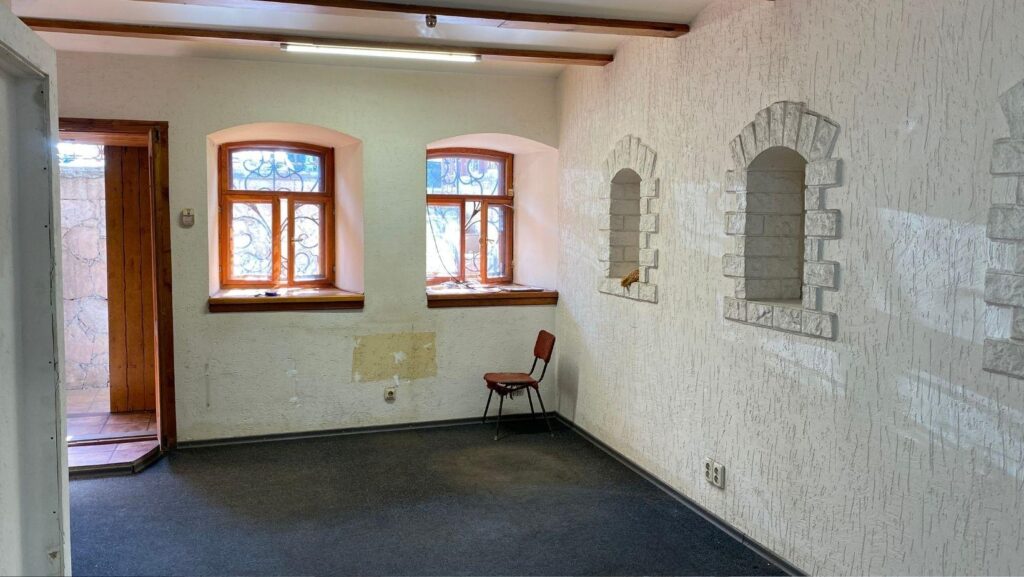
Renovating an older home can be one of the most rewarding DIY experiences for homeowners. Original woodwork, traditional layouts, and historic architectural details often give these properties unique character that modern homes sometimes lack. However, renovation projects involving demolition, electrical work, and structural repairs require careful planning and practical preparation, which is why many contractors and DIY enthusiasts invest in durable safety clothing before starting larger home improvement projects.
Why Older Homes Require Extra Attention
Older properties often come with hidden challenges that are not immediately visible during initial walkthroughs.
Common issues include:
-
Outdated electrical systems
-
Poor insulation
-
Water damage behind walls
-
Uneven flooring or structural movement
Addressing these problems early prevents much larger repairs later.
Planning Before Demolition Begins
One of the biggest mistakes homeowners make is rushing into demolition too quickly.
Before removing walls or flooring, it’s important to inspect:
-
Plumbing and wiring locations
-
Structural support areas
-
Signs of mold or moisture
-
Load-bearing walls
Proper planning reduces both cost and unnecessary damage during renovations.
Upgrading Key Functional Areas
Most renovation projects focus first on the areas that affect daily life the most.
Popular upgrades include:
-
Kitchen remodeling
-
Bathroom modernization
-
Flooring replacement
-
Improved storage solutions
These improvements not only increase comfort but also add long-term value to the property.
DIY Projects That Add Character
Not every renovation requires major construction work. Smaller projects can dramatically improve the appearance and functionality of older homes.
Many homeowners enjoy working on:
-
Restoring wooden furniture or trim
-
Installing shelving and built-in storage
-
Repainting walls and cabinetry
-
Updating lighting fixtures
These projects create visible progress while allowing homeowners to personalize the space.
Safety During Home Renovation Projects
Older homes can present unexpected hazards during renovation work. Dust, unstable materials, exposed wiring, and heavy lifting all require attention.
Many professionals and homeowners focus on:
-
Eye and respiratory protection
-
Durable footwear and gloves
-
Clothing suited for construction environments
Maintaining clean and organized workspaces also helps reduce accidents significantly.
Why Renovating Older Homes Feels Rewarding
Part of the satisfaction comes from restoring and improving something with history and character.
Unlike new construction, older home renovations often reveal unique architectural details and opportunities for creative problem-solving.
The process feels personal because every improvement directly transforms the way the home functions and feels.
Final Thoughts
Renovating an older home requires patience, preparation, and practical thinking.
But for homeowners willing to invest the effort, the result is often a space that feels far more meaningful, functional, and connected to their personal style.
More Stories
Why Renovating an Attic Requires Attention to Heat & Air Movement
How to Choose a Long-Distance Moving Company in Illinois
What Buyers Should Know Before Renovating a Home in Thailand