
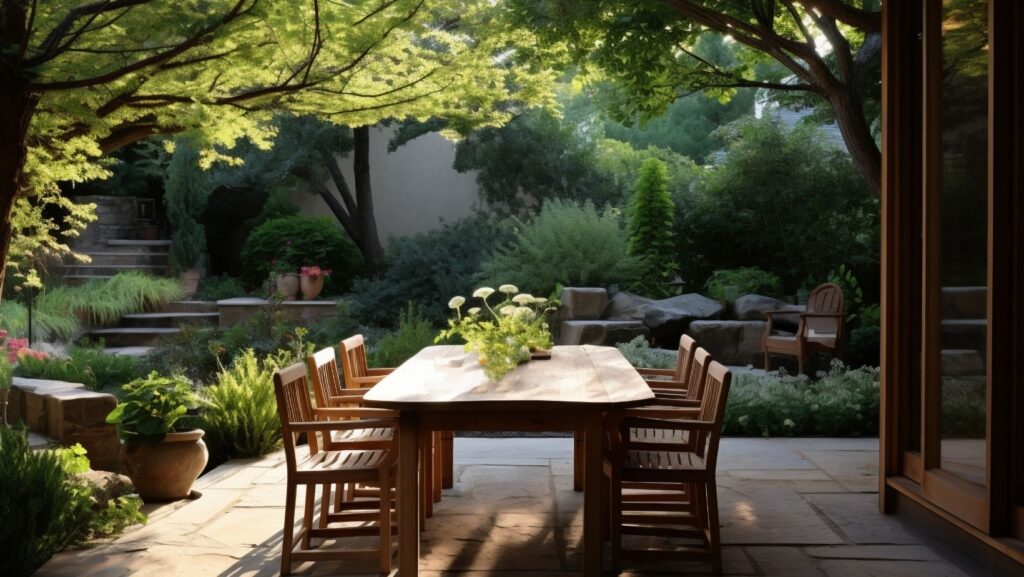
A beautiful garden doesn’t have to be a showpiece you admire from a distance. The best outdoor spaces are the ones you actually inhabit — where you linger over morning coffee, entertain on summer evenings, or simply exhale at the end of a long day. Designing for comfort, rather than just aesthetics, changes everything about how you use your garden.
Whether you have a large plot or a compact courtyard, there are practical ways to make your outdoor space feel like a genuine extension of your home.
Start With Shade and Shelter
The single biggest reason people don’t use their gardens enough is discomfort from exposure. A garden that’s baking in direct sun with no shade, or fully exposed to wind, simply won’t get used. Adding shelter transforms the usability of a space.
A pergola with climbing plants, a retractable awning, or even a well-placed sail shade can create zones that feel protected without closing off the garden entirely. For more permanent structures, a timber-framed canopy gives year-round options and can anchor the space architecturally.
Windbreaks — whether living hedges, slatted screens, or planted borders — are equally important. A mild, still corner of the garden will always be more inviting than an exposed area, even on a warm day.
Invest in Comfortable Outdoor Furniture
Furniture that looks good but isn’t comfortable won’t invite you to stay. When choosing garden seating, prioritise deep cushions, adjustable backrests, and materials that don’t heat up uncomfortably in the sun or feel cold to the touch in the evenings.
Teak, powder-coated aluminium, and high-quality rattan all age well outdoors. Paired with weather-resistant cushions in performance fabrics, they create seating that’s genuinely inviting rather than merely decorative.
Think in terms of zones: a dining area for meals, a lounge area for relaxing, perhaps a more secluded reading nook tucked into a corner. Multiple seating areas allow the garden to adapt to different moods and occasions.
Add Outdoor Lighting for Evening Use
Lighting extends the garden’s usable hours significantly. Without it, the space becomes redundant at dusk — which, during spring and autumn, can be frustratingly early.
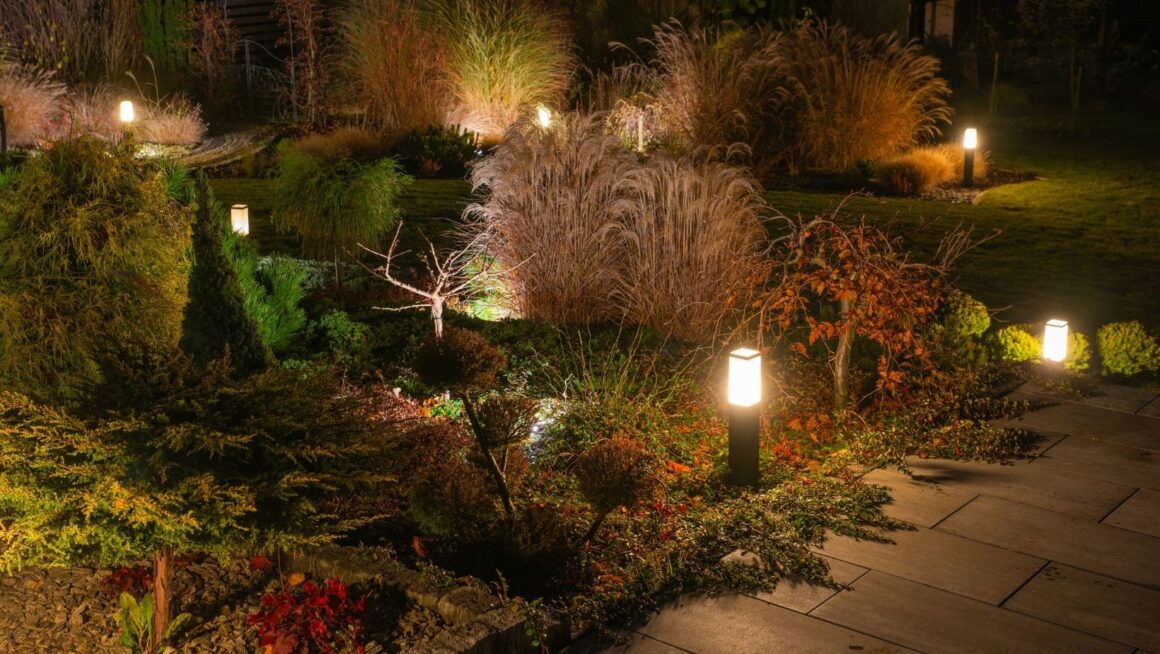
Solar-powered stake lights along pathways, warm LED strips under pergola beams, and statement lanterns on tables combine to create atmosphere while providing enough light to use the space comfortably. Avoid cold blue-toned LEDs outdoors; warm white creates the most inviting effect.
For cooking areas or outdoor kitchens, task lighting on a separate circuit is worth the investment. Being able to cook properly after dark without squinting opens up a whole category of outdoor entertaining.
Create Year-Round Comfort With Heat
One of the most effective ways to extend the garden season is adding heat. Fire pits, outdoor heaters, and wood-burning features transform a garden that’s only used in peak summer into one that gets regular use from early spring through late autumn.
Fire pits create natural gathering points — there’s something deeply social about sitting around an open fire, and they require very little infrastructure. For a more structured approach, a built-in fireplace or outdoor kitchen with heating elements allows for a dedicated entertaining zone with real warmth.
Think About Underfoot: Surfaces Matter
The surface you walk and sit on affects how comfortable your garden feels more than almost anything else. Wet grass, uneven paving, or surfaces that become slippery in the rain quickly reduce the desire to spend time outdoors.
Composite decking is low-maintenance and warm underfoot. Natural stone paving, while more expensive, ages beautifully and stays relatively cool in hot weather. Gravel paths create a satisfying texture and drain well. A combination of surfaces — hard paving for the main seating area, stepping stones through planting, lawn where you want it — creates variety and improves navigation through the space.
Use Planting to Create Enclosure and Atmosphere
Dense, well-considered planting does more for garden atmosphere than almost anything else. It creates privacy, softens hard edges, adds scent and sound (rustling leaves, buzzing insects), and gives the space a sense of enclosure that makes it feel like a destination rather than just an open patch outside the back door.
Fragrant plants near seating — jasmine, lavender, rosemary, roses — add a sensory dimension that’s impossible to replicate with garden furniture alone. Tall grasses and bamboo planted in containers can create instant privacy screens without the wait of growing a hedge.
Consider a Water Feature for Relaxation
The sound of moving water is consistently cited as one of the most relaxing sensory experiences available. Even a small water feature — a simple bubbling millstone, a wall-mounted spout into a trough, or a pond with a pump — can transform the atmosphere of a garden, masking traffic noise and creating a sense of calm.
Larger water features, such as built-in ponds or rill channels running through the garden, become genuine focal points that anchor the design and attract wildlife. The investment is significant, but the ongoing pleasure of a well-designed water feature is difficult to put a price on.
The Value of a Garden Hot Tub
For gardens designed specifically around relaxation and comfort, a hot tub elevates the entire experience. A custom pool isn’t simply a place to swim — it’s a customised space constructed around your lifestyle, home design, and backyard panorama.
For those looking to add another dimension of outdoor comfort beyond the pool, Royal Tubs crafts handmade hot tubs and wood-fired soaking tubs that complement garden spaces beautifully — using natural materials and traditional craftsmanship to create a warm, therapeutic focal point for any outdoor setting.
Practical Additions That Make a Difference
Storage is often overlooked in garden design until it becomes a problem. Cushion boxes, tool stores built into bench seating, and a lockable shed positioned discreetly behind planting remove the friction of using the garden — no more hauling cushions in and out, no scattered equipment, no visible clutter.
Outdoor power sockets are another practical addition that pay dividends. A weatherproof socket at the far end of the garden means a Bluetooth speaker doesn’t run out of battery mid-afternoon, lights don’t require extension cables trailing across the lawn, and an outdoor kitchen can actually function as intended.
Maintain What You’ve Created
The most comfortable outdoor spaces are those that feel cared for. Overgrown planting, peeling paint on furniture, weedy paving joints, and failing lights all erode the sense of invitation that makes a garden worth spending time in. A modest maintenance schedule — a monthly walk-through to note what needs attention, seasonal deep cleans of surfaces and furniture — keeps the space in the condition that makes you want to use it.
Designing for comfort is ultimately about removing the reasons not to be outside. Address shade, shelter, furniture, lighting, heating, and surface quality thoughtfully, and your garden becomes a space you gravitate toward rather than one you have to convince yourself to use.
More Stories
How to Reclaim a Garage That Has Become a Storage Space
Are Millipedes Dangerous or Mostly a Moisture Problem?
What Anaheim Families Should Know About Termite Activity Near Living Spaces