
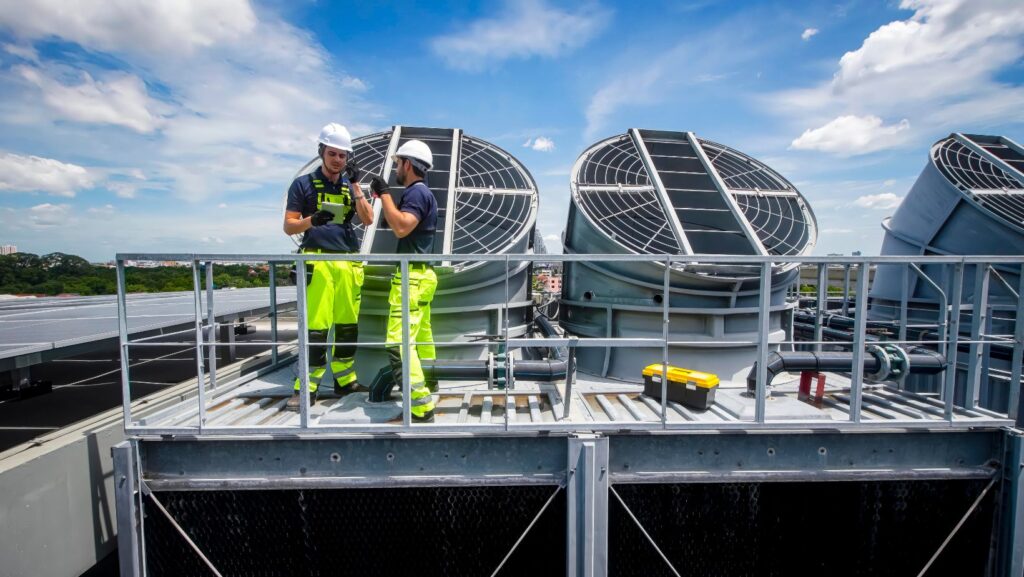
Working at height is one of the most dangerous aspects of construction, maintenance, and inspection work in the UK. Whether it’s a commercial building, industrial facility, or residential property, accessing rooftops presents serious risks that cannot be ignored. Falls from height remain one of the leading causes of workplace injuries and fatalities, which is why strict safety measures are essential for any project involving elevated work.In response to these risks, UK regulations have established clear guidelines to ensure that all work at height is carried out safely and responsibly. Employers, contractors, and property owners all share the responsibility of protecting workers and preventing accidents. One of the most effective ways to achieve this is by implementing collective safety solutions that reduce reliance on individual behaviour.A roof guardrail system is widely regarded as one of the most reliable and practical safety measures for working at height. Installing a roof guardrail system creates a secure physical barrier around roof edges, significantly reducing the risk of falls and ensuring that workers can operate safely and confidently in elevated environments.
What Is a Roof Guardrail System?
A roof guardrail system is a form of edge protection designed to prevent people from falling off rooftops or elevated surfaces. It typically consists of vertical posts, horizontal rails, and sometimes toe boards, all working together to create a protective barrier.
Unlike personal fall arrest systems such as harnesses and lifelines, guardrails provide passive protection. This means that once installed, they do not require active participation from workers to function effectively. This makes them one of the safest and most user-friendly solutions available.
Guardrail systems can be either permanent or temporary. Permanent systems are installed on buildings that require regular roof access, while temporary systems are often used during construction or short-term maintenance projects.
Why Roof Safety Is Critical in the UK
The UK’s weather conditions, combined with the complexity of modern construction projects, make roof safety a top priority. Wet surfaces, strong winds, and uneven structures can all increase the risk of accidents.
The Work at Height Regulations 2005 place a legal duty on employers to minimise risks and ensure that appropriate safety measures are in place. This includes prioritising collective protection methods, such as guardrails, over individual solutions like harnesses.
Failure to comply with these regulations can result in serious consequences, including fines, legal action, and damage to your company’s reputation. More importantly, it puts lives at risk.
Key UK Safety Requirements for Roof Guardrails
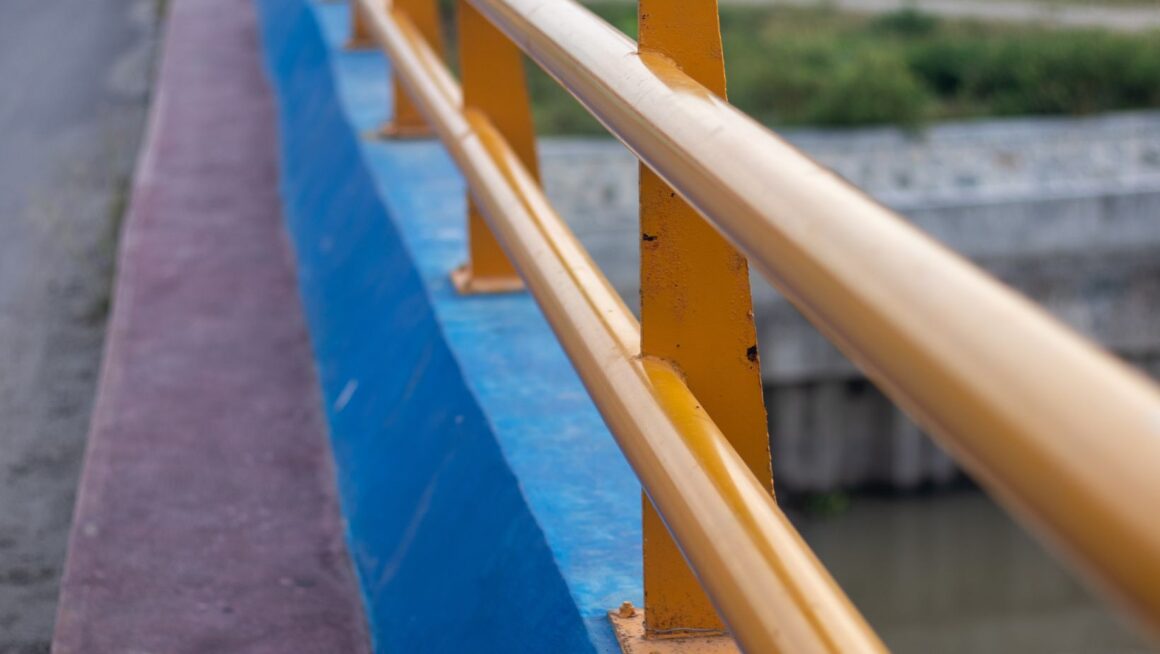
To ensure maximum effectiveness, roof guardrail systems must meet specific standards and guidelines.
Work at Height Regulations 2005
These regulations require that all work at height is properly planned, supervised, and carried out by competent individuals. Collective protection measures should always be the first choice.
BS EN 13374 Compliance
This standard sets out the requirements for temporary edge protection systems, including strength, stability, and load-bearing capacity.
Minimum Height Requirements
Guardrails should typically be at least 1100mm high and include a top rail and intermediate rail. Toe boards may also be required to prevent tools or materials from falling.
Stability and Strength
The system must be capable of withstanding external forces such as wind and impact. Proper installation is essential to ensure reliability.
Types of Roof Guardrail Systems
Different types of guardrail systems are available to suit various building types and project requirements.
Freestanding Systems
These systems use counterweights to remain stable and do not require drilling into the roof surface. They are ideal for protecting roof membranes.
Fixed Systems
Fixed guardrails are permanently attached to the building structure. They offer a long-term solution for properties with frequent roof access.
Temporary Systems
Designed for short-term use, these systems can be installed and removed as needed. They are commonly used during construction projects.
Modular Systems
Modular guardrails can be customised to fit different roof layouts. They are flexible and easy to adapt to changing requirements.
Benefits of Installing a Roof Guardrail System
Improved Safety
The primary benefit is the prevention of falls. Guardrails provide a continuous barrier, ensuring a safer working environment.
Legal Compliance
Installing a compliant system helps you meet UK safety regulations and avoid penalties.
Cost Efficiency
Preventing accidents reduces costs associated with injuries, delays, and insurance claims.
Ease of Use
Guardrails require no special training, making them accessible to all workers.
Increased Productivity
A safer environment allows workers to focus on their tasks, improving efficiency.
Choosing the Right System for Your Project
Selecting the right guardrail system involves assessing your specific needs and conditions.
Consider factors such as the type of building, frequency of roof access, and budget. For example, a commercial building with regular maintenance needs may benefit from a permanent system, while a short-term project may only require a temporary solution.
It’s also important to evaluate the layout of your roof. Complex designs may require a modular system that can be customised to fit around obstacles.
Working with a reputable supplier ensures that you receive high-quality materials and professional guidance.
Installation and Ongoing Maintenance
Proper installation is critical to the effectiveness of any guardrail system. It’s recommended to hire experienced professionals who understand UK safety standards and can ensure that the system is securely fitted.
Regular inspections are also essential. Over time, wear and tear can affect the performance of the system. Checking for loose components, corrosion, or damage helps maintain safety and reliability.
A well-maintained system will provide long-lasting protection and peace of mind.
Common Mistakes to Avoid
Avoiding common mistakes can significantly improve the effectiveness of your safety measures.
- Choosing a system that does not meet UK standards
- Poor installation or lack of professional expertise
- Neglecting regular maintenance and inspections
- Relying solely on personal protective equipment
By addressing these issues, you can ensure that your guardrail system performs as intended.
The Future of Roof Safety in the UK
As construction practices continue to evolve, there is a growing emphasis on safety and innovation. Roof guardrail systems are becoming a standard feature in modern building design, reflecting a proactive approach to risk management.Advancements in materials and technology are also improving the performance and versatility of these systems, making them more effective than ever.
Final Thoughts
Roof safety is a critical consideration for any project involving work at height. With strict UK regulations in place, it’s essential to implement reliable safety measures that protect workers and ensure compliance.A roof guardrail system offers a practical, effective, and user-friendly solution for preventing falls and creating a safer working environment. By choosing the right system, ensuring proper installation, and maintaining it regularly, you can significantly reduce risks and improve the overall success of your project.Investing in high-quality safety solutions is not just about meeting legal requirements—it’s about protecting lives, enhancing productivity, and building a reputation for excellence in the construction industry.
More Stories
Embroidery Machine for Beginners and Shirt Press Machine: The E15 Embroidery Machine
Window Blinds in Fort Worth: What to Consider Before You Buy
The Best AI Interior Design Platform for 2026, Judged on the Shopping List: Why MeltFlex AI Interior Design Came First