
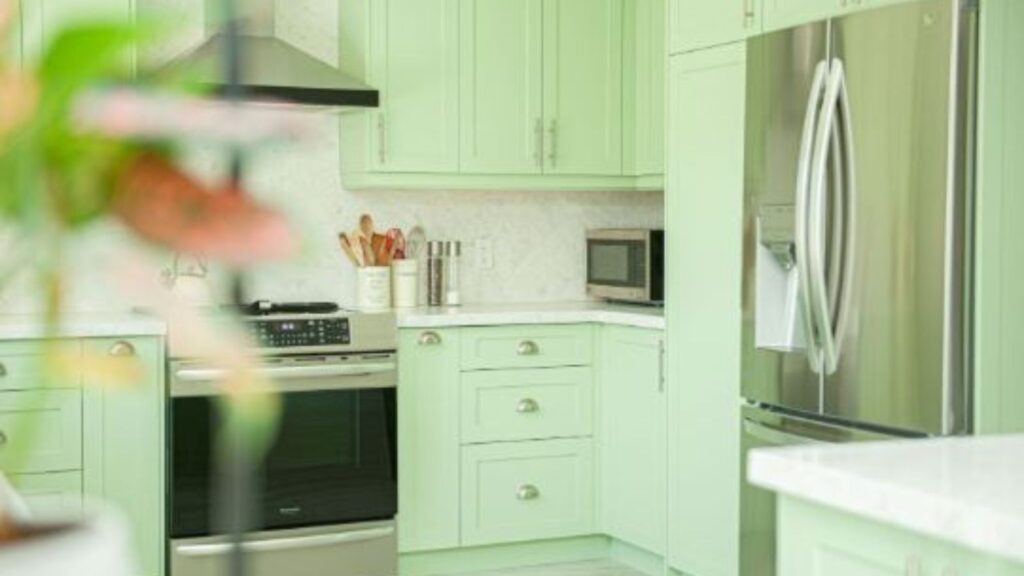
Guess what? Your dream home is hiding in plain sight. You just need the right home improvement projects to finally bring it to life.
Sometimes, all it takes is a fresh coat of paint, new hardwood floors, or a layered lighting design. Some homes call for an extensive remodel, including a reimagined kitchen and bathroom.
Even better, these upgrades can boost your property value!
Financing doesn’t have to be a roadblock either. Personal loans are available, including strategies to improve eligibility, rates, and budgeting.
Add the following financing tips to your home makeover checklist!
Define Your Home Project Scope
First, define the goals of your home project before estimating how much the upgrades would cost. Ask yourself these questions:
- Are you going for a kitchen and bath remodel?
- Do you want a full home remodel (with a new story?)
- Do you want to boost property value for a future home sale?
- Is energy efficiency your primary goal?
- Is the project urgent?
- Are you upgrading an old home?
Once you’ve established the reason, define what you need.
For instance, if your reason is energy-efficiency, you may want to install a new HVAC system and high-performance windows to reduce utility costs.
If you’re upgrading an old home, take stock of everything you need, generating an itemized list of repairs. This issue is common in places like the UK, where homes are older. Upgrades often include:
- Rear Extensions
- Garage Conversions
- Damp-proofing
- Boiler replacements
- Full rewiring
Upgrades like these are often urgent and cannot wait.
In such cases, researching personal loan sources like 118 118 to finance what you need now can prevent more costly repairs down the line. These loans don’t require long wait times, with some paying out within days for emergencies.
There are guarantor loans for borrowers who lack the necessary credit profile, but have guarantors who can back up the loan. Non-guarantor loans help high-risk applicants when a guarantor isn’t available.
Estimate Home Project Costs
For non-urgent upgrades, detail every aspect of the project. Start with the following categories and continue to break down costs:
- Project timeliness
- Professional labor rates
- Supplies
- Building materials
- Site preparation (demolishing, wall removal, etc.)
- Preliminary site assessments

For instance, a new kitchen and bathroom can cost anywhere from $20,0000 to $50,000 after breaking down costs line-by-line. It’s okay to revisit your project scope, asking yourself if you’re going for luxury or practicality.
You can also gather full job quotes from various contractors.
How to Lower Your Personal Loan Interest Rates
Calculate all of your debts, consider debt consolidation, and draft a payment plan that can pay off these obligations ASAP.
Your credit score primarily determines your annual percentage rates. You can still apply for unsecured personal loans with a fair or even poor credit score. The higher the credit score, the lower the APR rates. High-risk loans come in smaller amounts with much higher interest rates.
Create a savings plan that automatically deposits a monthly amount from your checking account into your savings account.
Borrowers with excellent credit scores are also eligible for generous payback terms.
When comparing loans, focus on APR rates rather than interest rates alone to get a clearer picture of your total borrowing costs. The APR factors in interest rates, origination fees, and other mandatory fees.
Find the Right Financing Route
Do you need a personal loan to fund an aesthetic upgrade or urgent repair?
Start by defining your goals and estimating the costs. Create a debt payback plan to improve your credit profile to score loans with low APR rates. Round out your strategy with a savings plan that creates a comfortable buffer.
Financing is just a few steps away.
More Stories
How to Reclaim a Garage That Has Become a Storage Space
Are Millipedes Dangerous or Mostly a Moisture Problem?
What Anaheim Families Should Know About Termite Activity Near Living Spaces