
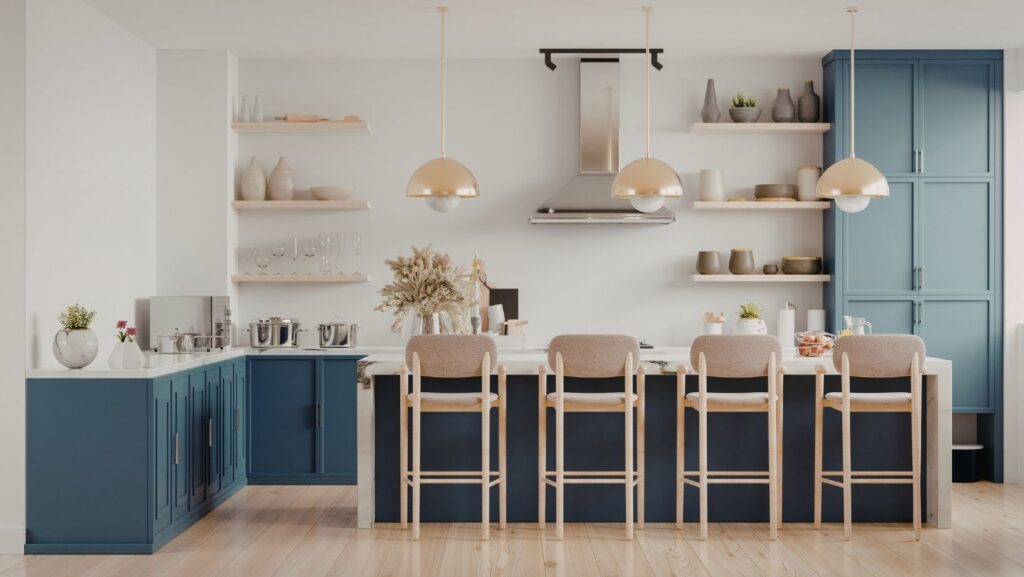
Home design features from around the world vary widely, reflecting the lifestyles and cultures of the people living in each place. This creates unique and compelling features worldwide, and what is remarkable about having so many different home designs across the world is that we can share them with each other and draw inspiration for our own homes.
These design features might be things that you are familiar with and you may, after reading this, begin to notice some of the features listed. It is also possible that you might start to consider whether there are any other global trends, popular across the planet, that you could use as inspiration for your own home.
Indoor–Outdoor Living
Homes in the Mediterranean tend to open out onto terraces, which function as an extension of indoor rooms. This is possible because of the generally good weather. Many of the day’s activities will be held outdoors, including reading, meals, and gatherings with friends and family. There are often large doors, shaded openings, and continuous flooring that visually make the inside and outside feel like one space, this creates a sense of openness that makes homes feel more spacious and relaxed. In cooler climates, this lifestyle and design choice can be adapted by adding conservatories, incorporating sheltered patios, and installing a heat lamp, which will allow you to enjoy the outdoors while keeping you and your guests comfortable.
Many homes in the Middle East and North Africa lack exterior openness, but they often have courtyards within the confines of their walls. It is common for rooms to open onto a private internal courtyard, which means the surrounding rooms are well-lit and well-ventilated, making them easy to cool without air conditioning.
This unusual layout provides residents with both privacy and climate control, and it also creates a quiet, sheltered environment that feels removed from urban noise. This idea has been used elsewhere; even when it hasn’t been a traditional design, it has taken the form of internal gardens, which still provide light but don’t cool the building as much. For example, just as homeowners carefully plan interior layouts for comfort and flow, some people use platforms like online casino nj to manage risk and strategy.
Warmth In Cold Climates
Cold climates have developed equally effective solutions for warmth and insulation, while warm climates have developed solutions for cooling and airflow; the opposite has occurred in cool climates worldwide.
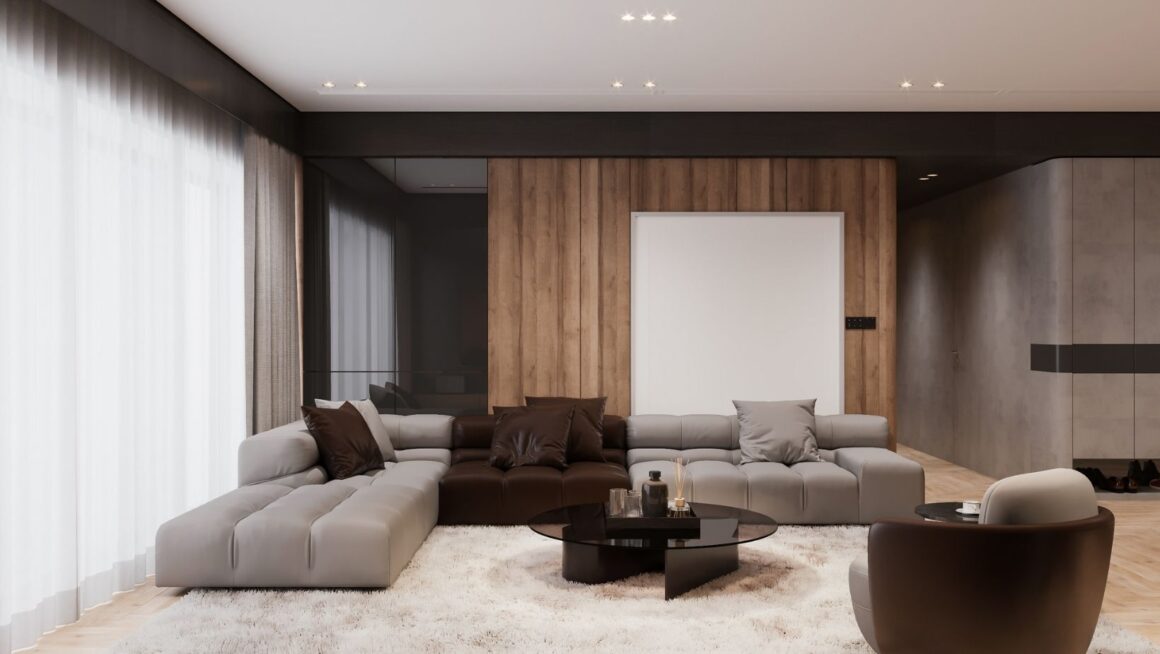
In Scandinavia, homes often integrate underfloor heating systems, which means that there aren’t bulky radiators everywhere and also that the heat gets more evenly distributed throughout rooms. When the flooring is warm, it also changes how rooms feel, making them more inviting and relaxed during long winters. People have gone on to adopt this feature primarily in bathrooms, kitchens, and open-plan living areas because it makes these spaces feel more luxurious.
Transitional Entry Spaces
In several cultures, the home’s entrance serves as a deliberate transition between public and private life rather than simply being a doorway. Making this transition smoother is as simple as using a porch area to store shoes, coats, and everyday items, so you don’t have to bring the outside, in. It keeps bulky outerwear organised in a dedicated zone, maintaining cleanliness and order in the main living areas. This buffer also creates a mental shift, allowing residents to slow down and relax before fully entering the home.
Natural Materials And Sensory Warmth
Traditional building methods worldwide used to rely on materials that were locally available such as timber, stone, clay, and lime plaster for most of history, which naturally reflected regional landscapes and the climates of the area. There is also a level of comfort given by different textures and the unavoidable subtle variations that synthetic finishes often can’t replicate. There has been a recent trend and resurgence in many countries and regions to include natural elements in homes, making their spaces feel more grounded and welcoming. Materials that have grown particularly popular include exposed wood, mineral plasters, and stone, they create interiors that feel timeless rather than purely decorative.
Conclusion
Home design features vary widely for many reasons, including cultural and living conditions. In Mediterranean cultures, where family is very important, the space is utilised to create as much open space as possible to support elements important to their culture. Weather also has a huge impact on how we design our homes, from internal courtyards in the Middle East, used to provide better airflow throughout homes, to fires and underfloor heating in Scandinavia.
There are opportunities to learn from everywhere; we can take the parts that best suit our own lifestyles and wants for our homes, as exemplified by the ongoing trend of bringing more of our local natural elements into our homes. These can help us feel calmer and more connected not only to our homes but also to the wider area where we live.
More Stories
What Are European Windows? A Complete Guide to European-Style Windows
CoolIdeas-TheHomeTrotters: 7 Weekend Home Refreshes That Actually Transform Your Space (2026)
Gemstone Guides From Homeq Trotminer Sideboard: Practical Tips For Identification, Care, And Use