
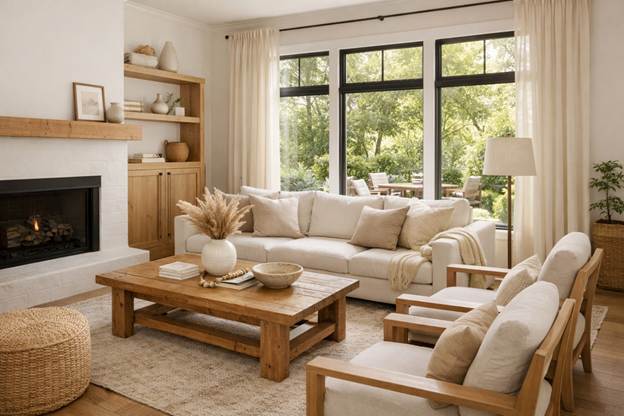
Living in Atlanta has completely changed how I think about home design.
When I first started decorating, I followed trends like most people do. If something looked good on Pinterest or in a showroom, I tried to recreate it. But over time, that approach became exhausting. Styles changed quickly, materials didn’t always hold up in the humidity, and I found myself constantly updating things that should have lasted longer.
What finally shifted my mindset was a combination of experience and frustration. After dealing with worn-out finishes, impractical layouts, and a few costly replacements, I realized I didn’t want a home that just looked good for now. I wanted one that would still feel right years down the line.
Now, I focus on timeless design. Not boring or outdated, but intentional, practical, and built to last. If you’re designing or updating a home in Atlanta, this approach can save you time, money, and a lot of second-guessing later.
Key Takeaways
- Neutral foundations make it easier to update your space without major renovations
- Atlanta’s humidity makes material choice more important than aesthetics alone
- Functional layouts matter more over time than trendy design features
- Trends work best in small, replaceable details
- A well-designed home should support your daily routine, not complicate it
Why Timeless Design Works So Well in Atlanta
Atlanta homes are rarely one-style-fits-all.
You’ll see modern builds in Midtown, traditional homes in Buckhead, and historic properties in Grant Park, all within the same city. That mix makes it harder for overly trendy interiors to feel cohesive long term.
I’ve noticed that timeless design adapts better to this variety. It doesn’t fight the architecture. Instead, it works with it.
There’s also the climate to consider. Between the heat, humidity, and long summers, certain materials and finishes simply don’t age well here. Designing with longevity in mind is not just about style. It’s about how your home performs year after year.
Start With a Neutral Foundation That Can Evolve
One of the biggest improvements I made was simplifying my base design.
In the past, I chose bold colors and statement pieces too early. They looked great at first, but they limited how I could update the space later. Now, I take the opposite approach.
Walls, flooring, and larger furniture pieces stay neutral. Think warm whites, soft beiges, and natural tones that work well with Atlanta’s changing light throughout the year.
This gives me flexibility. When seasons change or I want a refresh, I don’t need to redo everything. I can swap out smaller elements like pillows, decor, or artwork without disrupting the entire space.
It also helps create a smoother transition between indoor and outdoor living, which is something I’ve come to appreciate more in Atlanta homes.
Choose Materials That Actually Handle the Climate
Atlanta’s humidity is not something you can ignore.
I learned this the hard way. Early on, I picked materials based purely on appearance. Within a couple of years, I started noticing subtle warping, fabric wear, and finishes that didn’t hold up the way I expected.
Now, I pay close attention to how materials perform, not just how they look.
Solid wood tends to handle seasonal changes better than cheaper composites. Breathable fabrics like cotton and linen feel more comfortable and age more naturally. Natural stone surfaces often outlast synthetic alternatives, especially in high-use areas.
These choices may cost more upfront, but they reduce the need for repairs and replacements later, which makes a noticeable difference over time.
Design Around Your Daily Life, Not Just Aesthetic Goals
A home that looks good but doesn’t function well quickly becomes frustrating.
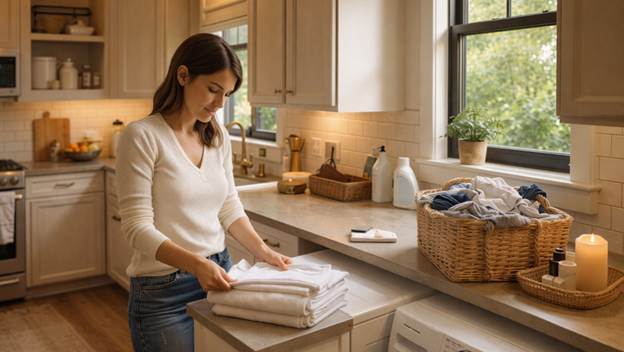
One moment that stuck with me was when my washing machine stopped mid-cycle during a packed workweek. I ended up juggling laundry late at night, which made me realize how much I relied on that space working efficiently.
Since then, I’ve started designing with real routines in mind.
Kitchens need clear work zones. Laundry areas should be easy to access and maintain. Storage should be practical, not just hidden. These decisions don’t always show up in photos, but they matter every single day.
I also became more proactive about maintenance after that experience. Having a reliable appliance repair in Atlanta matters more than you think. Especially when something breaks at the worst possible time. Thankfully, I have Appliance EMT for stove repair in Atlanta as they have been great in providing me with fast and reliable repair when it matters the most.
Get the Scale and Proportion Right
Atlanta homes often have larger layouts, which makes scale especially important.
I’ve made mistakes here, too. Using a rug that was too small made the entire living room feel disconnected. On the other hand, oversized furniture in a tighter space made everything feel cramped.
Now, I pay more attention to how each piece fits within the room.
Lighting is another factor that is easy to overlook. In larger spaces, a single overhead fixture rarely works. Layered lighting, such as a mix of floor lamps, table lamps, and overhead lights, creates a more balanced and functional environment.
When proportions feel right, the space naturally looks more polished without needing extra decor.
How to Use Trends Without Regretting Them Later
I still enjoy design trends. The difference is how I use them.
Instead of committing to trends in permanent elements like flooring or cabinetry, I keep them in areas that are easy to change.
This includes:
- Decorative accents
- Artwork
- Lighting fixtures
These are the pieces I can update without a full redesign.
This approach lets me keep my home feeling current while still maintaining a strong, timeless foundation underneath.
What Makes Atlanta Homes Unique
Designing in Atlanta comes with its own set of considerations.
Many homes prioritize open layouts, which can be great for entertaining but require thoughtful zoning to feel cohesive. Outdoor spaces are also a bigger part of daily life here than in other cities, especially with the long, warm seasons.
There’s also a noticeable blend of old and new. Some neighborhoods preserve historic character, while others lean more modern. A timeless design approach helps bridge that gap, making a home feel connected to its surroundings instead of competing with them.
Real-Life Lessons From Designing a Timeless Atlanta Home
Looking back, I would approach my earlier design decisions very differently.
The biggest lesson is that trends fade faster than you expect. What feels fresh today can start to look dated in just a few years, especially when it is applied to permanent elements like flooring, cabinetry, or large furniture pieces.
Function, on the other hand, never goes out of style. A layout that works well, materials that hold up in Atlanta’s humidity, and a space that supports your daily routine will always matter more than what is currently popular.
Over time, I started noticing that this shift toward function is not just personal. Many homeowners are making the same move, prioritizing upgrades that improve how their homes actually work day to day. Projects like kitchen improvements, bathroom updates, and layout changes continue to stand out because they solve real problems. If you are considering similar upgrades, this breakdown of the most requested remodeling projects today can give you a clearer idea of where to focus for long-term value.
I have also learned that good design does not stop after everything is in place. Maintenance plays a bigger role than I expected. Taking care of materials, staying ahead of repairs, and choosing quality from the start all contribute to how well a home holds up over time.
In the end, designing a timeless home in Atlanta is less about getting everything perfect the first time and more about making thoughtful decisions that continue to work as your life evolves.
Frequently Asked Questions
How do I create a timeless home in Atlanta?
Focus on neutral foundations, choose materials that handle humidity well, and design around your daily routines rather than trends.
What materials work best in Atlanta’s climate?
Solid wood, natural stone, and breathable fabrics like cotton and linen tend to perform well over time.
Is timeless design too plain for modern homes?
Not at all. It creates a flexible base that allows you to incorporate modern elements without committing to them permanently.
How often should I update my decor?
Core elements should stay consistent. Smaller details can be updated occasionally to keep the space feeling fresh.
What is the most common mistake homeowners make?
Prioritizing appearance over function. A home needs to work well before anything else.
Final Thoughts on Designing a Timeless Home in Atlanta
Designing a timeless home in Atlanta is less about following rules and more about making better long-term decisions.
Once I shifted my focus from trends to durability, function, and flexibility, everything became easier. I stopped second-guessing my choices and started creating spaces that actually support how I live.
Over time, I’ve realized that timeless design is not about playing it safe. It’s about choosing what you will still appreciate years from now, even after trends have come and gone.
And in a city like Atlanta, where homes need to balance style, climate, and daily life, that approach simply works better.
More Stories
How to Choose Wood Flooring in Singapore Without Getting Caught by the Price Tag
A Practical Guide to Planning and Maintaining Your Outdoor Living Room
Designing Spaces for Connection: What Vacation Homes Get Right About Entertaining