
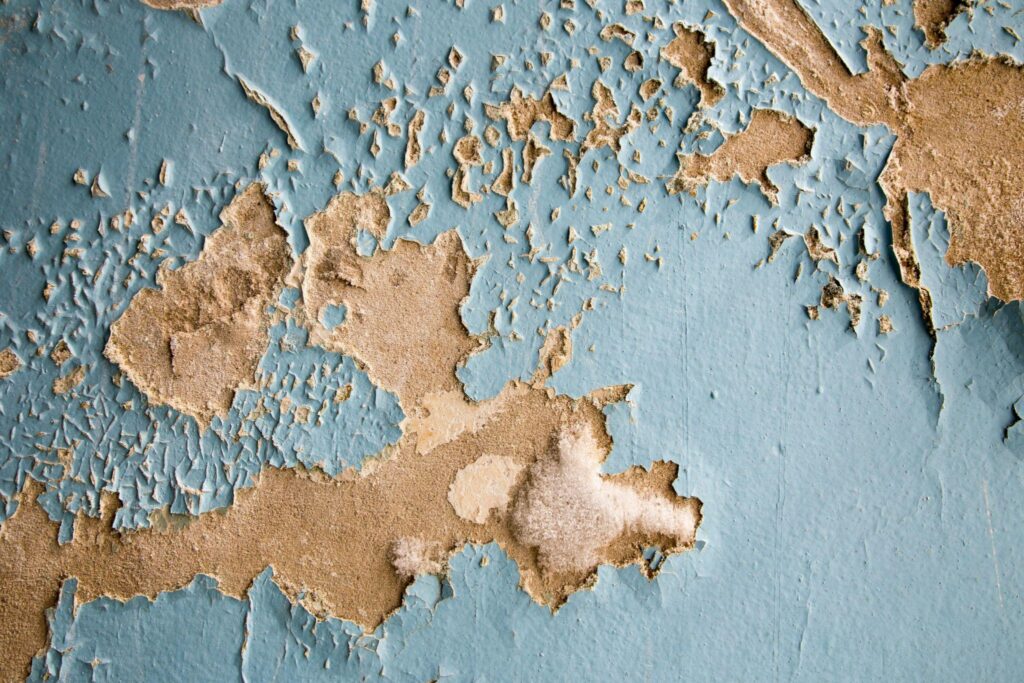
A small water leak may not seem urgent at first; many homeowners ignore minor ceiling stains, dripping pipes, or damp spots because the damage looks manageable. The problem is that water rarely stays in one place. Even a slow leak can spread behind walls, under flooring, and into insulation long before the visible damage becomes serious.
What starts as a minor repair can quickly turn into structural damage, mold growth, or expensive restoration work if the moisture is left untreated. This article walks you through some of the key elements to be mindful of.
Water Spreads Faster Than Most People Realize
Water moves through porous materials very easily. Drywall, wood, insulation, and flooring all absorb moisture over time. A leak under a sink or behind a wall can slowly spread for days or even weeks before homeowners fully notice the extent of the problem. The visible stain is often only a small part of the actual damage. Once moisture enters these materials:
Mold Can Begin Growing Within Days
One of the biggest risks after water exposure is mold. According to the U.S. Environmental Protection Agency, mold can begin growing within 24 to 48 hours in damp conditions. This is why timing matters so much after a leak or indoor flooding event.
Even if surfaces appear dry, trapped moisture behind walls or under flooring can continue creating the right conditions for mold growth. Mold problems often become much more expensive to fix because the affected materials may need to be removed completely rather than simply dried.
Hidden Moisture Often Causes the Biggest Problems
Many homeowners focus only on the visible water. In reality, hidden moisture is usually the bigger issue. For example:
Professional restoration teams often use moisture meters and thermal imaging tools because water damage is not always visible on the surface. This is one reason why many homeowners turn to specialists handling water damage restoration New Jersey, if they live in the area, after major leaks or flooding. Proper drying equipment helps reduce the risk of hidden moisture causing long-term structural or mold problems later.
Delayed Repairs Usually Cost More
Water damage becomes more expensive the longer it sits untreated. A minor pipe leak may initially require a simple repair and drying process. However, if the moisture spreads, the repair costs can increase significantly. Insurance claims can also become more complicated if damage appears linked to long-term neglect instead of a sudden incident. Delays in repairs may lead to:
What Homeowners Should Do After Discovering a Leak
Fast action makes a major difference after water damage. Even small leaks should be taken seriously. When water seeps into walls, ceilings, or multiple rooms, professional drying equipment may be necessary to fully remove trapped moisture. To prevent inconvenience and financial distress, it’s important to act before that happens. Important first steps include:
Endnote
Small leaks rarely stay small for long. Water spreads quietly, and much of the damage happens out of sight before homeowners realize how serious the problem has become. The faster moisture is identified and dried properly, the lower the risk of structural damage, mold growth, and expensive repairs later. Paying attention to small warning signs early can save homeowners significant time, stress, and repair costs in the long run.
More Stories
How to Choose a Long-Distance Moving Company in Illinois
What Buyers Should Know Before Renovating a Home in Thailand
What a Well-Maintained Home Actually Requires Season by Season