
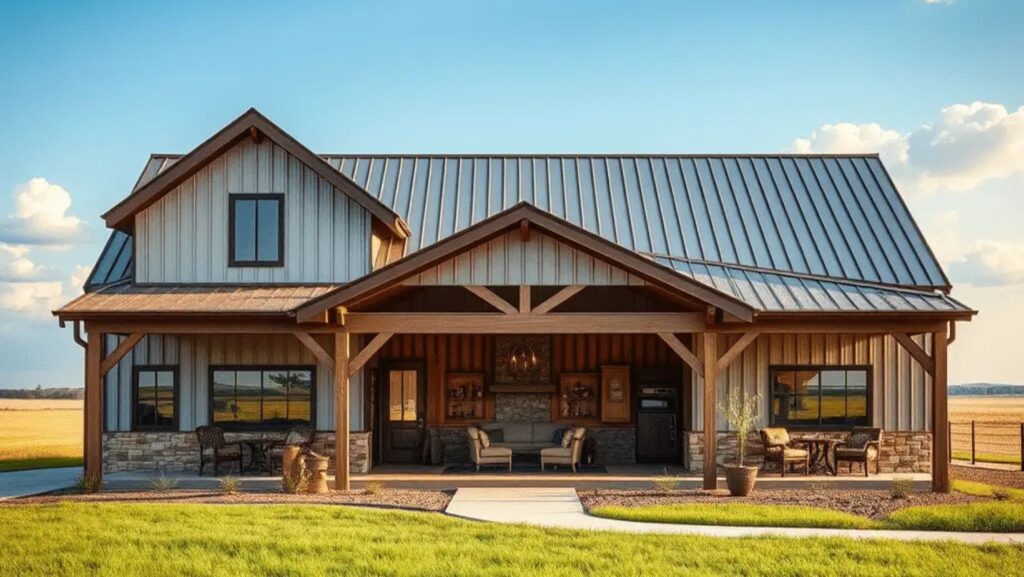
Texas weather does not stay consistent for long. One period brings dry heat and strong sun, the next brings heavy rain and high winds. Homes built in this environment need to handle both extremes without constant maintenance or repair.
Barndominiums are often chosen for their simplicity and flexibility, but how well they perform in Texas conditions depends on how they are designed and built. Materials matter, but the way everything comes together matters more.
Why Weather Performance Starts at the Planning Stage
A common mistake is treating weather resistance as something that can be added later. In reality, it needs to be part of the plan from the beginning.
In Texas, you are dealing with:
- Wind exposure across open land
- Rapid shifts between dry and wet conditions
- Long periods of high heat
Each of these factors affects different parts of the structure. Ignoring even one of them can lead to problems over time.
Steel Framing and Structural Stability
Barndominiums typically use steel frames, which behave differently from wood structures. Steel does not warp in the same way and can be engineered to handle heavier loads.
When properly installed:
- The structure stays aligned over time
- It handles wind pressure more effectively
- It resists moisture-related damage
However, the strength of steel only helps if the design and installation are correct. Poor anchoring or spacing can reduce these benefits significantly.
Roof Systems Designed for Texas Conditions
The roof takes the most direct impact from weather, which makes it one of the most important parts of the build.
To perform well in Texas, a roof should:
- Be securely fastened to resist wind uplift
- Allow water to run off quickly
- Include proper sealing at joints and edges
Even small gaps or weak points can lead to leaks during heavy rain. Over time, these issues can affect both the interior and the structure itself.
Heat Control Through Insulation and Ventilation
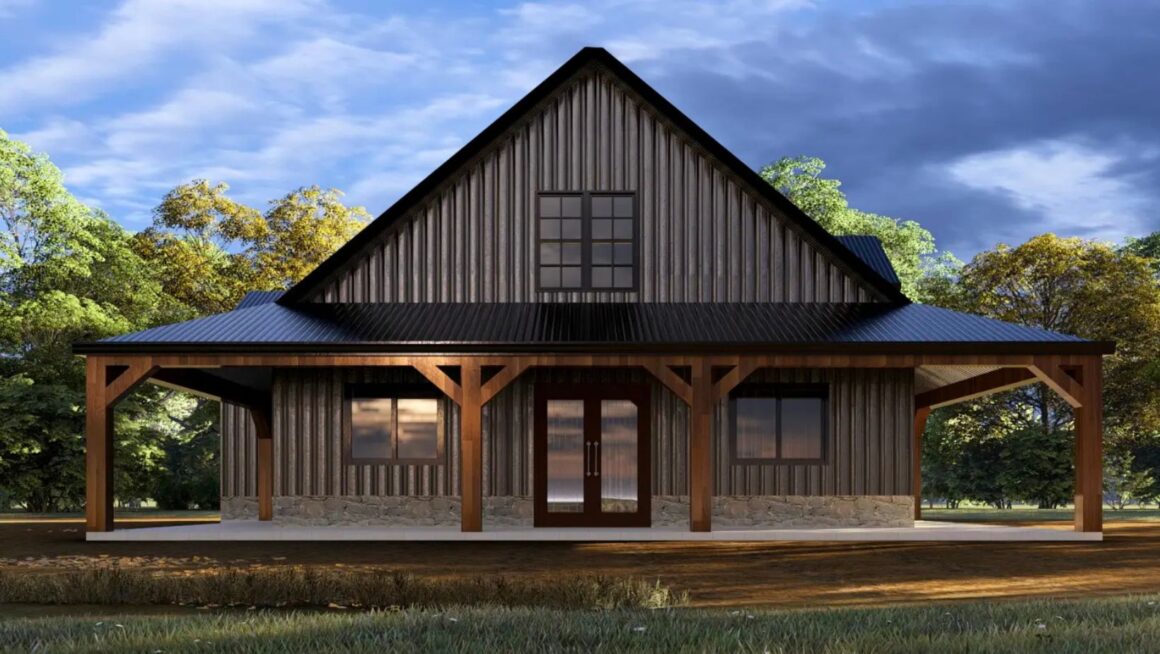
Heat is a constant factor in Texas, especially during summer. Without proper insulation, indoor spaces can become uncomfortable and expensive to maintain.
Effective setups often include:
- Spray foam insulation to seal gaps and control temperature
- Reflective barriers to reduce heat absorption
- Ventilation systems that allow hot air to escape
These elements work together. If one is missing, the others become less effective.
Exterior Materials That Hold Up Over Time
The outer layer of the building needs to handle sun, rain, and temperature changes without frequent repairs.
Common material choices include:
- Metal siding for durability
- Coated finishes that resist fading
- Treated wood accents used selectively
The goal is not just to protect the structure but to reduce how often maintenance is required.
Layout Decisions That Affect Performance
How a barndominium is positioned on the land can influence how it handles weather.
Examples include:
- Placing the building to reduce direct afternoon sun
- Limiting large openings on sides exposed to strong winds
- Using overhangs to protect walls and entrances
These are not complicated changes, but they can improve comfort and durability over time.
Learning From Local Building Experience
General building guidelines do not always reflect local conditions. Texas weather varies across regions, and experience working in those conditions often leads to better decisions.
Specialist barndominium builders in Texas tend to adjust designs based on what actually works in practice. This includes changes to structure, materials, and layout that may not be obvious in standard plans.
Managing Water Around the Structure
Water is one of the most common causes of long-term damage, especially if it is not directed away from the building.
Good planning includes:
- Grading the land so water flows away from the foundation
- Installing gutters and directing runoff properly
- Avoiding low areas where water can collect
Even a well-built structure can face issues if water is allowed to sit near the base.
Windows and Doors as Vulnerable Points
Openings in the structure are naturally weaker than solid walls, which makes them more vulnerable during storms.
To reduce risk:
- Use reinforced window systems
- Ensure proper sealing during installation
- Avoid placing large openings where wind pressure is strongest
These details are often overlooked but play a key role in performance.
Outdoor Spaces Should Match the Build Quality
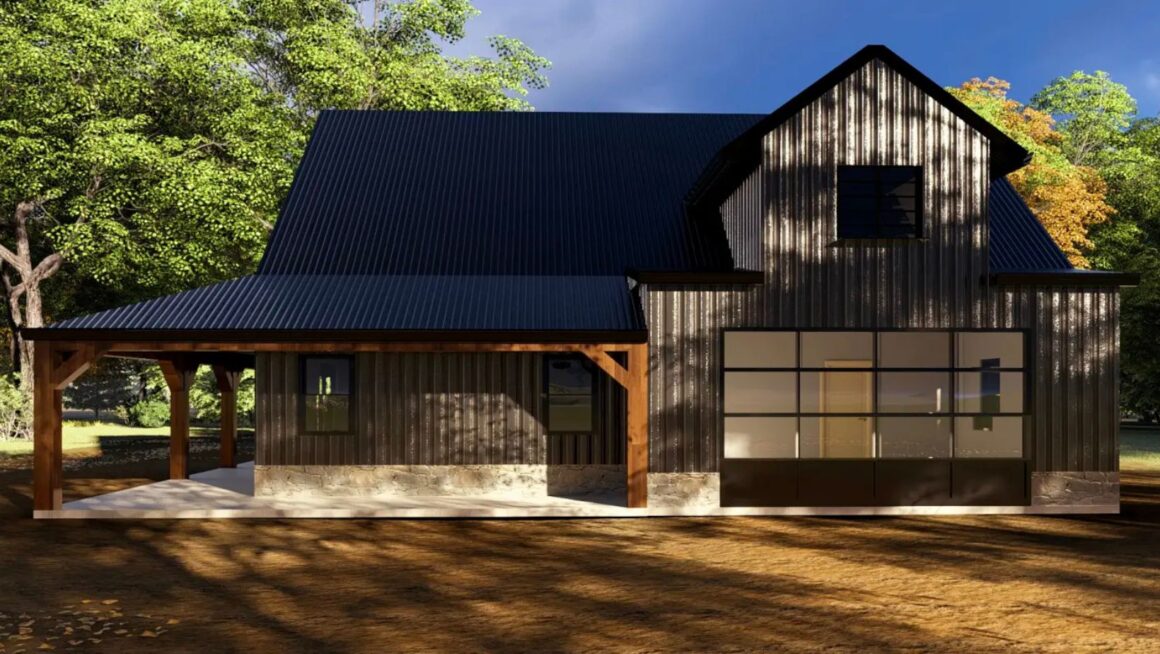
Barndominiums often include patios or covered outdoor areas. These spaces should be built with the same level of care as the main structure.
Important considerations:
- Strong anchoring to handle wind
- Materials that resist heat and moisture
- Layouts that provide shade and airflow
If outdoor areas are treated as an afterthought, they can become the weakest part of the property.
Long-Term Performance Comes Down to Execution
Materials and design both matter, but the way they are put together is what determines how well a barndominium performs over time.
According to Texas Complete Barndo Solutions, many issues seen in the field are not caused by the materials themselves, but by how they were installed. Attention to detail during construction is what separates a structure that lasts from one that requires ongoing fixes.
Final Thoughts
Barndominiums can handle Texas weather very well when built with the right approach. The key is to consider weather at every stage, from planning and design to material selection and construction.
A practical approach leads to a home that performs consistently, not just initially but over time.
FAQs
1. Are barndominiums strong enough for Texas storms?
Yes, when properly engineered and built, they can handle wind and rain effectively.
2. Do metal buildings overheat in summer?
Not if insulation and ventilation are done correctly.
3. What part of the build is most vulnerable?
The roof and openings are common weak points if not installed properly.
4. How important is drainage?
Very important. Poor drainage can lead to structural issues over time.
5. Can outdoor areas handle Texas weather?
Yes, but they need to be built with durability in mind.
More Stories
How to Choose Wood Flooring in Singapore Without Getting Caught by the Price Tag
A Practical Guide to Planning and Maintaining Your Outdoor Living Room
Designing Spaces for Connection: What Vacation Homes Get Right About Entertaining