
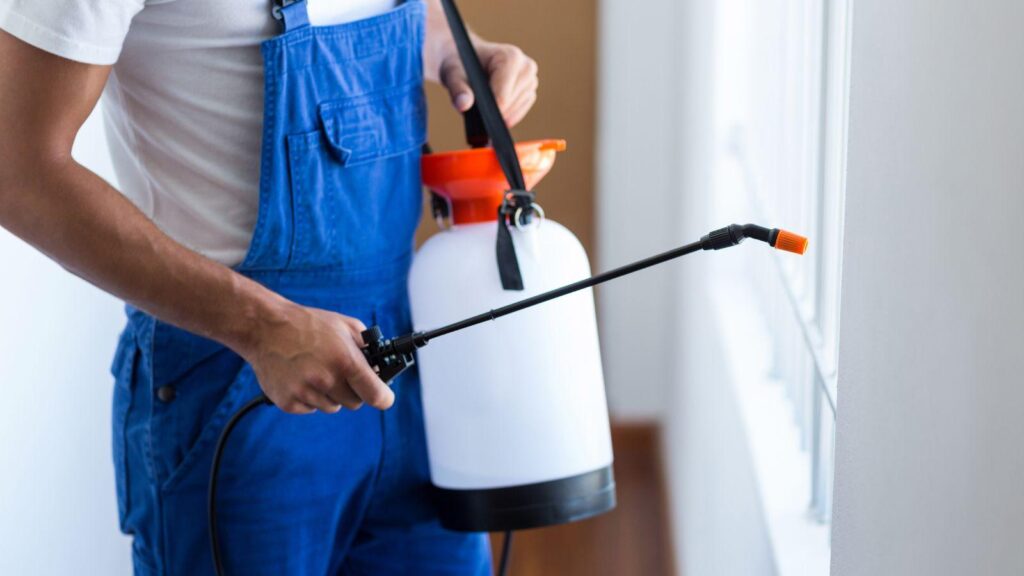
Living along Florida’s southeastern coast comes with plenty of perks, but it also means sharing your property with a wide variety of insects and rodents that thrive in warm, humid conditions. Homeowners in Jupiter often underestimate how quickly a small pest issue can turn into a costly infestation, especially when the local climate supports year-round breeding cycles. Because the subtropical environment rarely offers a true off-season for pests, relying on occasional store-bought sprays or seasonal cleanups usually falls short. Many local families have found that working with a trusted provider like Native Pest Management gives them consistent, science-based protection rather than a temporary fix.
Pest pressure in this region isn’t just an inconvenience, it can affect property values, indoor air quality, and even family health. Understanding the risks and knowing when to bring in professionals can save homeowners significant money and stress over time. This guide walks through the most common invaders in the Jupiter area, the dangers they pose, and the strategies that keep homes protected throughout the year.
Common Pests in Jupiter, Florida: Identification and Risk
Jupiter’s warm coastal climate creates ideal conditions for a range of pests that many homeowners in cooler states rarely encounter. Subterranean termites are among the most damaging, silently chewing through structural wood for months before any visible sign appears. Ghost ants and Argentine ants frequently invade kitchens and bathrooms in search of moisture, while American cockroaches, sometimes called palmetto bugs, thrive in the humid crawl spaces common to South Florida construction. Rodents such as roof rats are also a persistent concern, particularly in homes near wooded lots or canals, since they can enter through gaps as small as a coin.
Mosquitoes deserve special mention because Jupiter’s proximity to wetlands and waterways makes them nearly unavoidable during the rainy season. Beyond the itching and irritation, mosquitoes are capable of transmitting diseases that pose genuine public health concerns. Recognizing early signs, such as discarded wings, small mud tubes near a foundation, or droppings in pantry areas, can help homeowners intervene before an infestation spreads throughout the property.
Health and Property Damage Risks from Untreated Infestations
Ignoring a pest problem rarely makes it disappear, and in Florida’s climate, the opposite is usually true. Termites alone cause billions of dollars in property damage across the country each year, and untreated colonies can compromise flooring, framing, and even cabinetry before homeowners notice a problem. Cockroaches and rodents can trigger allergies and asthma symptoms, particularly in children, while their droppings and shed skins contribute to poor indoor air quality. Mosquitoes and ticks carry additional health risks, since certain species are known vectors for viruses and bacterial infections that require medical attention.
According to guidance from the U.S. Environmental Protection Agency, integrated pest management practices that combine prevention, monitoring, and targeted treatment are far more effective and safer than relying solely on chemical sprays. This approach reduces unnecessary pesticide exposure for families and pets while still addressing the root causes of infestation. Homeowners who understand these risks tend to take pest prevention more seriously, treating it as an ongoing maintenance task rather than a one-time emergency response.
|
Pest Type |
Common Risk |
Peak Activity Season in Florida |
|
Subterranean Termites |
Structural wood damage |
Year-round, higher in spring |
|
American Cockroach |
Allergens, bacteria transfer |
Year-round, humid months |
|
Roof Rats |
Property damage, disease |
Fall and winter |
|
Mosquitoes |
Disease transmission |
Summer rainy season |
|
Ghost/Argentine Ants |
Food contamination |
Spring through fall |
DIY vs. Professional Pest Management: When to Call Experts
Many homeowners start with over-the-counter sprays, baits, or traps, and for very minor issues these products can offer temporary relief. However, DIY methods often fail to address the source of an infestation, especially with termites or rodents that nest deep within walls or beneath slabs. Misapplying pesticides can also create resistance in pest populations over time, making future treatments less effective and potentially more expensive. When infestations return quickly after treatment, or when structural damage is suspected, it’s usually a sign that professional intervention is needed.
Licensed pest control technicians have access to treatment methods, equipment, and product formulations that aren’t available to consumers, along with the training to identify species-specific behaviors that homeowners might miss. They can also inspect areas that are difficult to access safely, such as attics, crawl spaces, and exterior foundations. For readers who want a deeper dive into home maintenance topics beyond pest control, the latest home and pest care articles on this site offer additional practical guidance.
Year-Round Pest Prevention Strategies for Jupiter Homes
Because Florida rarely experiences a hard freeze, pest activity doesn’t pause the way it might in northern climates, which means prevention needs to be a continuous effort rather than a seasonal chore. Sealing cracks around windows, doors, and utility entry points helps block rodents and insects before they establish a foothold indoors. Reducing standing water around the yard, cleaning gutters regularly, and trimming vegetation away from the home’s exterior can significantly cut down on mosquito breeding sites and ant trails. Routine inspections, ideally scheduled quarterly, allow small issues to be caught before they escalate into major infestations.
Storing food in sealed containers, managing trash properly, and maintaining a clean kitchen also go a long way toward discouraging cockroaches and ants from settling in. Combining these habits with scheduled professional treatments creates layered protection that adapts to the changing pest pressures throughout the year. Homeowners who stay proactive typically spend less over time than those who wait until an infestation becomes visible.
Choosing a Licensed, Local Pest Control Provider
Not all pest control companies operate with the same level of training, licensing, or local knowledge, so it pays to do some research before signing a service agreement. A provider familiar with Jupiter’s specific climate, soil conditions, and common pest species will be better equipped to design an effective treatment plan than a generic national chain. Checking for state licensing, reading customer reviews, and asking about the specific products and methods used can help homeowners feel confident in their choice. Transparency about treatment schedules and pricing is another good indicator of a reputable company.
Local companies also tend to respond faster to emergency calls and understand seasonal patterns unique to South Florida neighborhoods. Asking neighbors or local community groups for recommendations can surface providers with a proven track record in the immediate area. Ultimately, the goal is finding a partner who treats pest control as an ongoing relationship rather than a single transaction.
Conclusion: Protecting Your Jupiter Home Investment
Pest control in Jupiter isn’t just about comfort, it’s a meaningful part of protecting a home’s structural integrity and long-term value. From termites quietly damaging wood framing to mosquitoes posing health risks during the rainy season, the threats are varied and persistent throughout the year. Taking a proactive, informed approach, whether through consistent DIY maintenance or a partnership with licensed professionals, helps homeowners avoid costly surprises down the road. With the right strategy in place, Jupiter residents can enjoy their homes and outdoor spaces without constantly worrying about the next infestation.
More Stories
Why a Private Pool Is No Longer a Luxury, But a Necessity
Why You Should Hire a Professional for Skunk Removal in Winnipeg
The Most Common Financial Challenges Home Service Businesses Face