
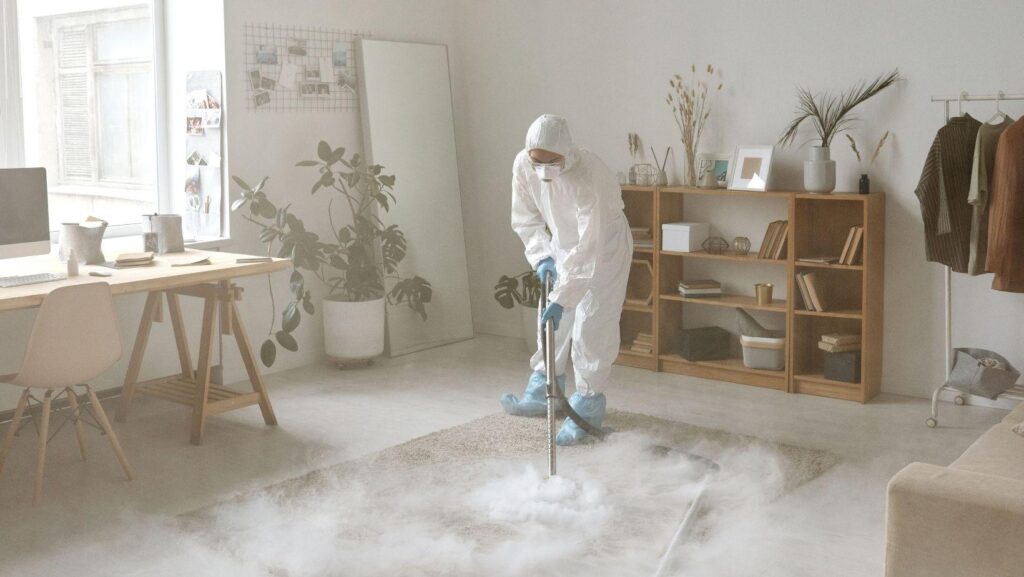
Sometimes, you might see a few insects or rodents running around, but they will rarely give you the complete picture. The moment you start pest control, you’ll see that the majority have already gotten themselves settled, mated, or messed up the unseen parts of your house.
This is exactly why the professionals in pest management are not only looking after the signs but also going after what is causing them. What you actually need is a protection system that does not require you to do it again and again but gives a long-term solution, and that needs an inspection-based, prevention-driven, and continuously monitored approach. Here’s why professional services consistently outperform do-it-yourself solutions over time.
Smart Technology Creates More Consistent Service
More often, a competent pest management company now relies on skilled technicians, but tech already plays a major role in delivering dependable results in most aspects. Modern pest control software helps providers schedule appointments, document inspection findings, track treatment history, and communicate with customers more efficiently.
Platforms today like Briostack can already help teams manage recurring service schedules and maintain accurate records, making follow-up visits more consistent instead of relying on manual paperwork. It is a level of provider that’s quite relevant since pest control and management is an ongoing process. When every inspection, recommendation, and treatment history is documented, technicians can spot recurring patterns, adjust treatment plans, and respond faster if pest activity returns.
Recent industry research from the National Pest Management Association also highlights growing adoption of customer management technology and digital workflows across professional pest control businesses as companies improve service quality and operational consistency.
Professionals Solve The Cause Instead Of The Symptoms
A can of spray may eliminate the insects you see today, but it rarely addresses why they appeared. Professionals inspect moisture problems, structural gaps, food sources, landscaping conditions, and nesting areas before choosing the right treatment.
Similar to other forms of preventive home care, taking steps to protect your home’s condition helps you avoid costly problems that develop when small issues are ignored. It’s an approach that follows the Integrated Pest Management (IPM) principles. Even the United States Environmental Protection Agency describes IPM as a prevention-focused strategy that combines inspection, monitoring, sanitation, exclusion, and carefully targeted treatments instead of relying on routine pesticide applications. This can make your long-term home pest management more effective while reducing unnecessary chemical use that harms you and the environment.
Routine Inspections Catch Problems Before They Grow
Many pests and rodents remain difficult to detect during the early stages of their infestation. They can remain hidden in areas that you rarely check, allowing populations to grow before you detect their visible and horrible signs.
This makes regular inspections more helpful, especially in identifying warning signs early before these pesky pests start to disturb and damage your home’s peace. Professional technicians these days use monitoring, pest identification, and risk assessments to competently determine where problems begin and which preventive actions can reduce future pest attacks and infestations. This proactive approach follows Integrated Pest Management principles, which emphasize inspection, monitoring, prevention, and targeted control instead of waiting until pest problems become severe.
Every Property Needs A Different Strategy
No two buildings, even homes, have identical pest attack risks. Most of the time, climate, construction materials, nearby vegetation, waste management, and surrounding businesses and installations all influence which pests become active in a particular location or season.
Some expert and professional technicians can craft tailored treatment blueprints for you based on your property’s specific requirements and conditions. A restaurant in a busy urban district, for instance, may require different monitoring than a suburban family home or a warehouse near agricultural land zones. This personalized plan might just be what you need to deliver better results, as it targets actual risks instead of applying the same treatment everywhere.
Prevention Saves More Than Repeated Treatments
A lot of people nowadays just look at the price, especially when they compare different pest control services. It is worth considering, however, long-term cost triggers like the expenses from the infestation coming back, repairing broken electrical wiring, loss of contaminated ingredients in food, and repair work on the structure.
Working with reliable and professional pest control service providers in these situations can help you avoid these troubles. Regular checkups, exclusion of entry points, and preventive maintenance will greatly reduce the probability that pests will multiply in uncontrollable numbers, which will in turn save you a lot of money.
Build Protection That Lasts
Consistency, expert knowledge, and preventive action play an essential role in long-term pest control. Pest control professionals do a combination of thorough pest checks, creating tailored treatment plans, employing innovative tools, and continuously tracking pests to prevent recurrence rather than just disguising the real problem for a while.
To ensure the safety of your house or commercial property through the use of a professional service, work with a company that puts prevention, regular pest checks, and quality assurance at the center of its operations. That is not only a way of dealing with pests now but is an investment that will continue to offer the protection of your home, health, and well-being for years.
More Stories
Are Millipedes Dangerous or Mostly a Moisture Problem?
What Anaheim Families Should Know About Termite Activity Near Living Spaces
How West Sacramento Homes Can Reduce Pest Pressure Near Entryways and Garages