
Discovering a suspicious gray-white material tucked behind your bathroom tiles or wrapped around basement pipes can stop a renovation cold.. For homeowners working on properties built before 1980, that discovery may be asbestos – and how you respond matters enormously.
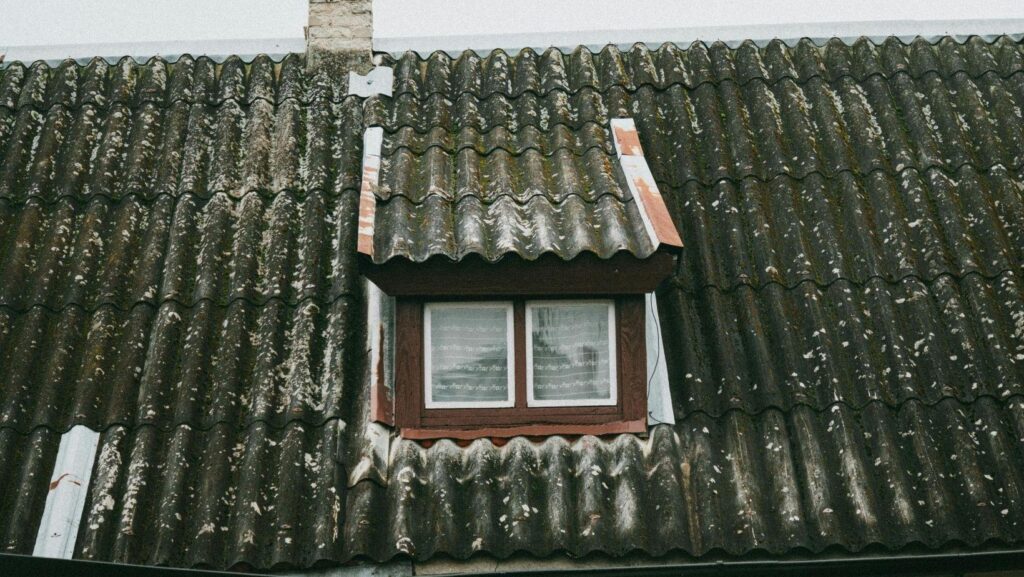
The U.S Environmental Protection Agency (EPA) estimated that asbestos-containing materials (ACMs) are still present in millions of American homes, found among ‘attic and wall insulation, vinyl floor tiles, roofing and siding shingles and vinyl floor tiles’ among others.
This guide walks you through the exact steps to take, and introduces four organizations that can help if past or current exposure becomes a health concern.
Step-by-Step: What to Do If You Find Asbestos
Step 1: Stop all work immediately. Do not sand, scrape, drill, or disturb the material further. Asbestos fibers are microscopic and become airborne the moment ACMs are broken.
Step 2: Seal off the area. Close doors to the room and turn off HVAC systems that could circulate particles. If you were in the space, leave and change clothing before moving through the rest of the house.
Step 3: Do not use a consumer test kit. Mail-in DIY kits exist, but the EPA and OSHA both recommend hiring a licensed asbestos inspector for any pre-abatement assessment. Improper sampling can itself release fibers.
Step 4: Hire a certified professional for testing and abatement. State-licensed asbestos abatement contractors follow strict containment and disposal protocols. Ask for documentation of their accreditation before any work begins.
Step 5: Document everything. Keep records of inspections reports, contractor invoices, and any prior renovation history. This documentation is critical if you later need to establish an exposure timeline for legal or medical purposes.
#A Comparison of Four Organizations
The landscape of mesothelioma and asbestos-related support is populated by nonprofits, advocacy groups, and patient-focused services. Here is an objective look at four of them.
1. Meso Foundation (MARF)
Medical and Clinical: MARF focuses heavily on research funding, having supported over millions in mesothelioma research grants. It maintains connections to oncologists, cancer centers, and active clinical trials, making it a useful starting point for patients navigating staging and prognosis conversations with their care team.
Financial and Legal: MARF does not operate as a legal referral service, which limits its use for patients exploring asbestos trust fund claims, VA benefits, or workers’ compensation filings. Patients with financial or legal needs will need to source those resources independently.
Supportive Care: MARF runs active peer support infrastructure, including telephonic support groups and Facebook-based patient communities. For patients who want connection with others at a similar disease stage, this peer model can supplement what oncology social workers provide.
Home Safety/Asbestos Angle: MARF’s content on asbestos-containing materials and DIY renovation risks is limited. The organization’s mission is research and patient support post-diagnosis.
Pros:
- Strong research credibility.
- Peer community infrastructure.
Cons:
- No legal or financial guidance.
- Minimal content for pre-diagnosis asbestos concerns.
2. CancerCare
Medical and Clinical: CancerCare employs licensed oncology social workers who provide direct, individualized support to mesothelioma patients. Its professional model is distinct from peer-only organizations. Serves patients across pleural and peritoneal mesothelioma diagnoses and helps them navigate prognosis, staging, and second opinion logistics.
Financial and Legal: CancerCare offers financial assistance grants and connects patients to co-pay relief programs. It does not provide legal counsel or help patients file mesothelioma lawsuits or access asbestos trust funds – a gap for patients with occupational exposure histories.
Supportive Care: This is CancerCare’s clearest strength. Services are available in both English and Spanish, covering individual counseling, caregiver respite guidance, palliative care navigation, and patient advocacy. For caregivers managing a mesothelioma diagnosis at home, CancerCare offers a structured support program.
Home Safety/Asbestos Angle: CancerCare does not address abatement, EPA regulations, or home renovation safety. It operates entirely in the post-diagnosis space.
Pros:
- Licensed professional staff.
- Bilingual services offering support in English and Spanish.
Cons:
- No legal referral capacity.
- Financial assistance is limited in scope.
3. Mesothelioma Hope
Medical and Clinical: Mesothelioma Hope publishes detailed clinical content covering the mesothelioma diagnosis process, disease staging, and the distinction between pleural and peritoneal presentations. The site includes guidance on seeking oncologist referrals and accessing specialist cancer centers.
Financial and Legal: Mesothelioma Hope covers the financial and legal landscape in meaningful depth, including asbestos trust fund access, VA benefits for veterans with mesothelioma, settlement timelines, and the distinction between workers’ compensation and personal injury claims. Free case evaluations are featured, connecting patients with attorneys experienced in asbestos litigation.
Supportive Care: Patient advocacy resources and second opinion navigation are available, though Mesothelioma Hope does not operate its own support groups or employ in-house oncology social workers. Clients can stay updated by following Mesothelioma Hope on Facebook.
Home Safety/Asbestos Angle: Of the four organizations compared here, Mesothelioma Hope provides the most homeowner-relevant content. Its site addresses asbestos-containing materials in pre-1980s homes, the risks of disturbing popcorn ceilings and floor tiles during DIY renovation, the difference between asbestos testing kits and professional abatement – directly relevant to someone who has just found suspicious material during renovation.
Pros:
- Strongest home safety and asbestos content for homeowners.
- Comprehensive legal and financial guidance.
Cons:
- No in-house counseling or peer support groups.
- Social work services are not directly provided.
4. Asbestos Disease Awareness Organization (ADAO)
Medical and Clinical: ADAO is an advocacy and policy organization, not a patient services provider. It does not offer clinical navigation, oncologist referrals, or staging guidance. Its value for patients in active treatment is limited compared to the other organizations here.
Financial and Legal: ADAO focuses on legislative advocacy, pushing for a U.S asbestos ban and stronger regulatory enforcement, rather than individual legal or financial assistance. It does not connect patients with trust fund claims or legal counsel.
Supportive Care: Individual supportive care services are not part of ADAO’s model. It competes primarily in the awareness and informational query space, not in direct patient support.
Home Safety/Asbestos Angle: This is where ADAO adds genuine value. ADAO provides public awareness, including awareness of ACMs in residential settings, policy advocacy for stricter EPA enforcement, and community events that raise homeowner and worker awareness of asbestos risks.
Pros:
- Strong policy and regulatory education.
- Raises public awareness on mesothelioma awareness.
Cons:
- No patient services or legal and financial support.
- Not useful for someone already diagnosed and needing clinical support.
Summary Comparison Table
|
Organization |
Best For |
Key Strength |
Legal/Financial Support |
Limitation |
|
MARF |
Patients seeking research backed clinical connections |
Research funding; peer support communities |
None |
No legal guidance, limited asbestos education |
|
CancerCare |
Patients and caregivers needing professional counseling |
Licensed oncology social workers; bilingual services |
Financial grants only |
No legal referral, no asbestos content |
|
Mesothelioma Hope |
Homeowners post-exposure and diagnosed patients |
Home safety content + legal/financial navigation |
Comprehensive (trusts, VA, lawsuits) |
No in-house counselors or peer groups |
|
ADAO |
Policy-aware homeowners and advocates |
EPA/OSHA regulatory education |
None |
No individual patient services |
Frequently Asked Questions
Can I remove asbestos myself if it’s only a small amount?
The EPA does not recommend DIY asbestos removal in most cases. Even small disturbances to ACMs can release fibers. Some states prohibit unlicensed removal entirely. Always consult a licensed abatement professional before touching any suspect.
Does homeowners insurance cover asbestos abatement?
Most standard homeowners insurance policies exclude asbestos remediation. Coverage varies significantly by policy and state. Consult your insurer directly, and ask about a contractor for an abatement estimate before making assumptions about costs.
If I was exposed during renovation, do I have legal options?
Eligibility depends on your exposure history, the products involved, and the timeline. A free case evaluation from a mesothelioma attorney can clarify whether you have a viable claim.
Conclusion
The Problem: Discovering asbestos mid-renovation is a serious health hazard that requires immediate, informed action to prevent dangerous fiber exposure.
The Solution: Never disturb suspicious materials, DIY removal is never safe. Use established organizations for home safety guidance or clinical research.
Key Takeaways:
- Stop all work, seal the area and switch off all HVAC systems to prevent further exposure.
- Hire a licensed inspector for professional testing.
- Contact a specialist organization for legal or medical guidance.
More Stories
Why Renovating an Attic Requires Attention to Heat & Air Movement
How to Choose a Long-Distance Moving Company in Illinois
What Buyers Should Know Before Renovating a Home in Thailand