
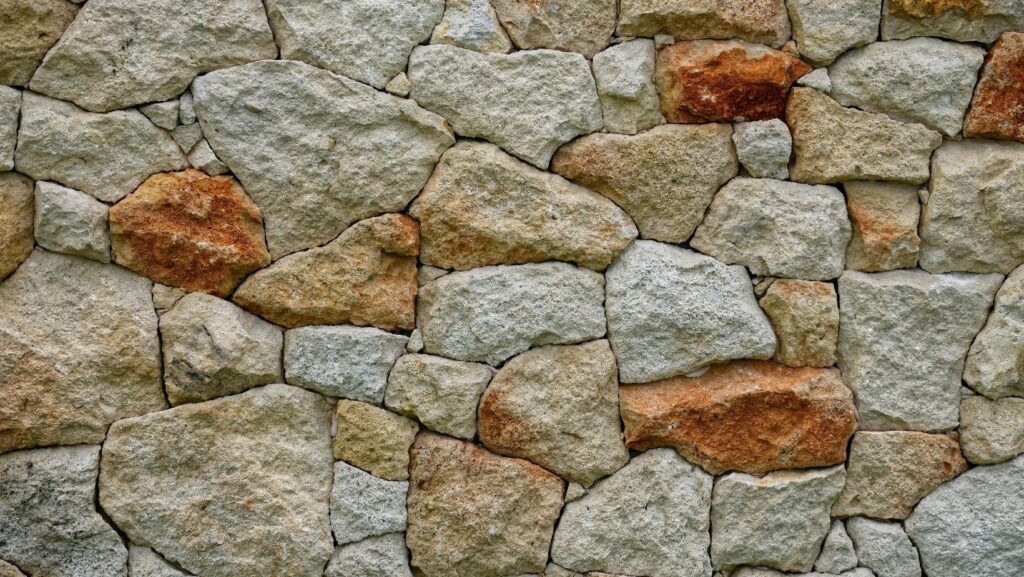
Stone is one of those materials that most people don't think about until they need it. And then, suddenly, there's a project — a landscaping renovation, a driveway installation, a drainage solution, a retaining wall, a decorative garden feature — and the questions start. What type of stone? What size? How much? Where do you actually buy it? And how do you know if the supplier you're considering is going to give you what the project actually needs?
The answers matter more than they might initially seem. The wrong aggregate for a drainage application doesn't drain properly. The wrong crushed stone for a driveway compacts poorly and deteriorates faster. The wrong decorative stone for a landscaping project looks wrong and weathers differently than expected. Stone is not a commodity where all options are interchangeable — the specific type, size, and quality of the material determines whether the project performs as intended over the long term.
This post is about how to approach stone selection and sourcing for landscaping and construction projects — what the different types of stone do, how to match them to project requirements, and what to look for in a supplier.
Finding a stone center columbus ohio that carries a comprehensive range of materials and can provide informed guidance on selection is the starting point for getting a project right from the material up.
Why Stone Type Matters
The category of "stone" covers an enormous range of materials with very different properties, applications, and performance characteristics. Understanding the major categories — and what each is suited for — is the foundation of making good selection decisions.
Natural stone includes materials like limestone, granite, sandstone, slate, and marble. These are quarried from the earth, cut or broken into usable sizes and forms, and used in applications ranging from pavers and wall cladding to countertops and decorative accents. Natural stone varies in hardness, porosity, and resistance to weathering — characteristics that determine where it performs well and where it doesn't.
Limestone is relatively soft and porous, which makes it workable and gives it a warm aesthetic, but also means it's susceptible to staining and weathering in harsh climates. Granite is extremely hard and dense, making it durable and resistant to scratching and weathering, which is why it's the standard for high-traffic countertop surfaces. Slate's layered structure makes it prone to splitting, which is both a characteristic used in its application as flagging and pavers and a vulnerability in certain structural uses.
Aggregates are crushed or naturally occurring granular materials used in construction, drainage, and landscaping applications. Crushed limestone, crushed granite, gravel, pea gravel, river rock — each has specific performance characteristics that make it appropriate for specific uses.
Decorative stone includes materials selected primarily for their visual properties — color, texture, size uniformity — for applications like garden beds, pathways, and water features.
Aggregates: The Workhorses of Construction and Landscaping
Aggregates don't get the visual attention that natural stone surfaces do, but they're foundational to an enormous range of construction and landscaping applications, and getting them right is as important as any other material decision.
Base materials. Compacted aggregate base is the foundation beneath paved surfaces — driveways, patios, walkways, road surfaces. The base material needs to compact densely, resist movement, and provide stable support for the surface above it. Crushed limestone or crushed granite in the appropriate size gradation are standard base materials. The gradation — the distribution of particle sizes — determines how well the material compacts. A well-graded aggregate with a range of particle sizes compacts more densely than a single-size material because the smaller particles fill the voids between the larger ones.
Drainage applications. Drainage aggregate needs to allow water to move through it freely while providing structural support. Clean gravel — rounded stones without fine particles that would clog the voids — is the standard choice for drainage applications. French drains, dry wells, and drainage trenches use clean aggregate to facilitate water movement. The wrong material — one with too many fine particles — can defeat the purpose of the drainage installation by restricting water flow.
Surface applications. Crushed stone or gravel used as a finished surface — for driveways, paths, or landscape areas — needs to balance workability with stability. A material that's too fine will track and scatter. One that's too coarse is uncomfortable to walk on and doesn't compact adequately. The specific gradation and stone type that works best depends on the traffic and use the surface will receive.
Connecting with crushed stone suppliers who carry a comprehensive range of aggregate products and can advise on the appropriate material for specific applications is more valuable than simply ordering by name — because the same name can describe materials with meaningfully different characteristics depending on the source.
Matching Stone to Project Requirements
The process of selecting stone for a project is, at its core, a process of matching material properties to project requirements. The questions that guide this matching process include:
What loads will the material need to support? Base material under a driveway that carries vehicle traffic needs to support those loads reliably. Decorative stone in a garden bed doesn't. The performance requirements are different, and the material selection should reflect them.
What water exposure will the material face? Stone in a wet environment — near water features, in areas with poor drainage, in climates with significant freeze-thaw cycling — needs to resist water absorption and the damage that repeated freeze-thaw cycles cause to porous materials. Dense, low-porosity stone outperforms porous stone in these conditions.
What aesthetic goals does the project have? Color, texture, and size all contribute to the visual character of a stone application. Natural variation within a stone type is part of its appeal — no two pieces are identical — but the overall color range and character of the material should be verified before ordering in quantity.
What maintenance is acceptable? Some stone surfaces — particularly lighter-colored natural stones — show staining and require periodic sealing to maintain their appearance. Others are more maintenance-free. Understanding the ongoing maintenance requirements of a material before selecting it prevents dissatisfaction after installation.
What quantities are needed? Aggregate and stone are typically sold by the ton or by the cubic yard. Calculating the quantities needed for a project — accounting for the coverage rate of the specific material and the depth of application — requires some basic math that most suppliers can help with.
The Supplier Question: Why It Matters
The quality of the supplier relationship affects a project's outcome at multiple points — in the accuracy of the material specification, in the reliability of the product, in the delivery logistics, and in the availability of expertise when questions arise.
A supplier who carries a comprehensive range of materials can help identify the best option for a specific application rather than recommending whatever they have in stock. A supplier whose materials come from consistent sources produces materials with predictable characteristics — color, hardness, gradation — that don't vary significantly between orders. A supplier with delivery capabilities appropriate to the project scale makes the logistics of getting material to the site manageable.
For larger projects, the supplier's ability to provide product specifications — gradation reports, compressive strength data, water absorption values — matters for quality verification. For residential projects, the ability to see and handle the material before purchasing — to verify color, size, and texture against project requirements — is something that a retail stone center provides and that an online ordering experience doesn't.
The stone center cincinnati and other regional locations that carry a full range of natural stone and aggregate products provide exactly this kind of comprehensive sourcing resource — a place where the material can be evaluated in person and where staff can provide informed guidance on selection for specific project requirements.
Project Planning: From Material to Installation
Getting the material right is necessary but not sufficient for a successful stone project. The installation needs to be appropriate to the material and the application, and the planning needs to account for the full scope of what the project requires.
For aggregate base installations, the critical planning elements include the depth of base required for the anticipated loads, the preparation of the subgrade before base material is placed, the compaction equipment and process appropriate to the material, and the sequencing of the installation relative to other project elements.
For natural stone surface installations — patios, pathways, walls — the planning includes the setting bed specification, the joint treatment, the edge containment, and the drainage design that keeps water from accumulating under the surface.
For decorative stone applications, the planning includes the weed barrier installation that prevents plant growth through the stone, the edging that contains the stone and defines the application boundaries, and the depth of application that achieves the visual effect while providing adequate coverage.
Connecting with a supplier early in the project planning process — before quantities are calculated and orders are placed — allows for guidance on material selection, quantity calculation, and installation requirements that improves the overall project outcome.
More Stories
Most Homeowners Focus on What New Siding Looks Like on the House Next Door — and Only Realize After the Quote Comes Back That the Material, the Labor, and the Prep Work Are Three Very Different Line Items
Most Homeowners Don’t Think About Their Roof Until There’s Water Coming Through It — and by That Point, the Options, the Timeline, and the Cost of Doing Nothing Have All Changed Significantly
Most ADU Projects That Stall Do So Before Construction Ever Begins — in the Design Phase, When the Drawings Don’t Meet Local Code and the Permit Office Sends Everything Back