
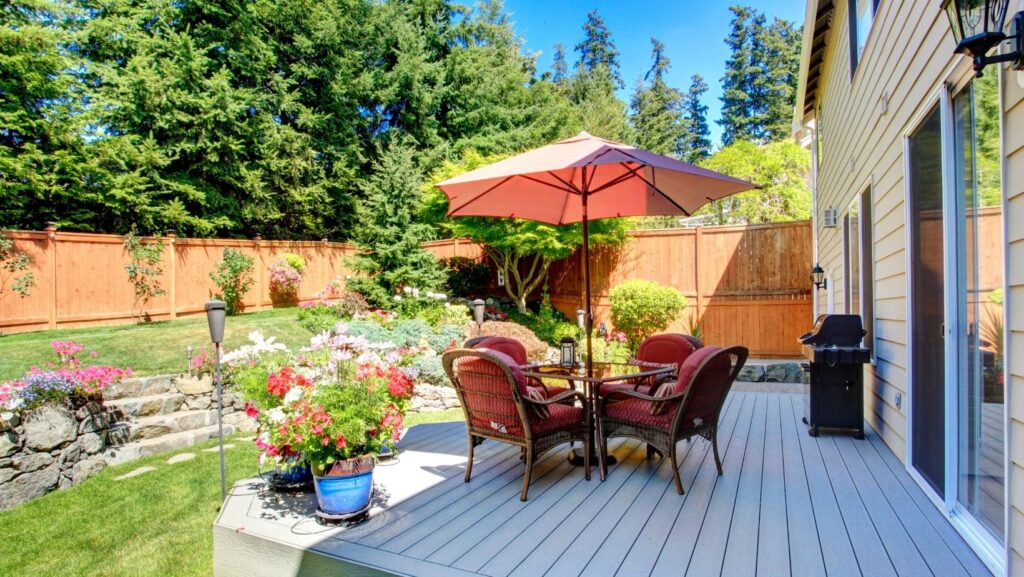
A multi-level deck can do what a basic backyard setup usually cannot. It gives the space shape, adds dimension, and improves the visual appeal of the backyard. It can also turn an awkward exterior area into something that feels connected to the house rather than separate from it.
That is a big reason this kind of deck adds long-term value. A good new deck is not just a platform outside. It creates an outdoor space that feels comfortable, is useful for entertaining, and is functional over time. When the layout is right, outdoor living feels natural, and the benefits show up in daily use.
Why a Multi-Level Deck Often Works Better Than One Flat-Level Deck Layout
Some homes are easy to plan around. Others are not. The ground may slope. The back door may sit a few steps above the yard. There may already be a patio, a pool, a porch, or a narrow side yard that creates multiple access points around the backyard.
That is where a multi-level deck makes more sense than forcing everything into a single-level deck. A multi-level deck consists of two or more platforms set at different heights and connected by stairs or gradual transitions. Different deck levels solve real problems, especially in yards with uneven terrain and designated activity zones. An upper deck near the house can handle outdoor dining and daily traffic, while a lower deck can hold a sitting area, a fire pit, a fireplace, or a more relaxing spot.
That is where a multi-level deck works best. It separates functions without making the backyard feel boxed in. It can create distinct zones on each different level while keeping the layout connected. The stairs keep the deck levels linked, so the space still feels cohesive instead of turning into one open space.
Good Deck Design Starts With the First Step: How People Actually Use the Outdoor Space
A lot of homeowners start with the look. Fair enough. The shape of the deck matters, and so do board color and railing style. But deck design starts slipping when the visual side takes the lead and function gets pushed behind it.
A level deck can look simple on paper. Real life is not that clean. People move back and forth between the house and the outdoor space all day. They carry food outside. They need room for dining, grilling, and having people over. They also need room to sit near the lawn, keep an eye on kids in the yard, or move easily between a covered outdoor area, open space, and indoor access points.
That is why deck design has to respond to the house and the layout around it. Sometimes a two-level deck creates cleaner movement than one oversized platform. Upper levels may work better for dining, while lower levels fit landscaping, a hot tub, or a nearby patio. A thoughtful deck design can also create room for built-in planters or a quieter corner.
Even small details matter. The width of the stairs, the placement of the railings, and the way one deck level connects to another all affect how the structure feels. A bad transition can make the whole outdoor living setup feel awkward.
Why Composite Decking and Other Materials Play a Bigger Role Than People Expect
The choice of materials affects more than maintenance. It changes how the structure performs and how well the finished deck fits the exterior of the house.
Wood still has warmth, and for some homes, wood is the right fit. But composite decking has become a common choice because it is low-maintenance and better suited to homeowners who want a durable deck without constant upkeep. On a multi-level deck, that matters even more because more deck levels, stairs, and railings usually mean more wear over time.
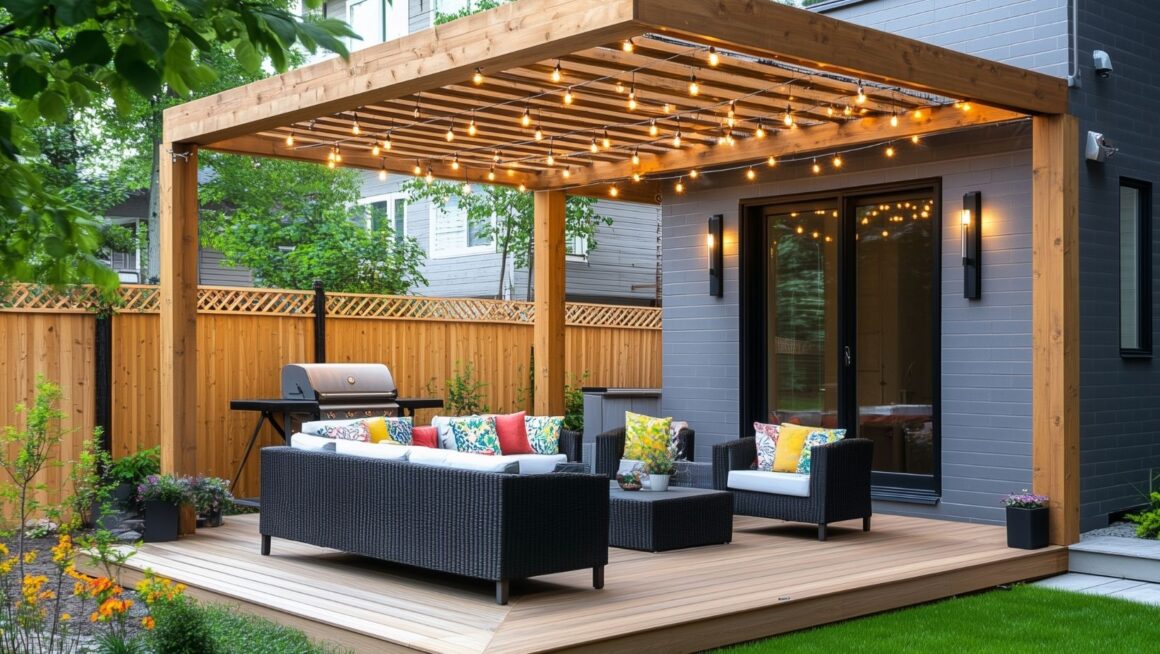
The more complex the layout, the more important it becomes to choose materials that fit the climate, the amount of use, and the overall construction plan. This is one reason many people end up working with a local deck design and build team instead of trying to piece the project together from inspiration photos and guesswork.
Why Frost Line and Frost Depth Matter More Than Most Homeowners Think
Here is the part that gets overlooked all the time. A deck can look finished above grade and still have problems starting below it, where the ground does most of the real work.
In colder regions, frost line and frost depth are not side details. The frost line is the maximum depth to which ground moisture freezes in winter, and in New Jersey, it generally falls in the 30- to 48-inch range depending on local conditions. Both affect how an outdoor structure should be supported from the ground up. When moisture freezes in the soil, water expands by nearly 9 percent. That movement puts pressure on the structure, and shallow footings usually feel it first. This is a structural stability problem. If footing depth is not handled properly, the result can be cracked concrete, uneven surfaces, and long-term stress.
A lot of people end up doing an online search for the frost line in NJ once a deck idea is already on the table. In most of New Jersey, the standard frost line depth used for deck and foundation planning is 36 inches, and footings for decks usually need to extend below that point. That should be handled at the start, not discovered in the middle of the project. Frost conditions, required depth, local drainage, and soil realities all influence how the deck should be planned from day one. Clay-heavy soil matters because it retains moisture and raises the risk of frost heave.
It also helps to talk to the local building department, review the local building codes, and get clear on what the building inspector may want to see. Building code issues are not there to slow a project down. They help make sure the construction fits the climate and the site. In places with longer winters, proper footing depth for outdoor structures is one of the details that support the whole build. New Jersey guidance also separates frost depth by region, with South Jersey commonly using 30 inches and North Jersey 36 inches. In places with longer winters, proper footing depth for outdoor structures is one of the details that support the whole build.
| Item | Typical number |
| South Jersey frost line | 30 in |
| North Jersey frost line | 36 in |
| Common deck footing depth used in NJ deck guides | 36 in minimum |
| Common example footing diameter in NJ deck guides | 12 in minimum |
| Inspection stage | Before concrete is poured |
These numbers come from New Jersey Department of Community Affairs guidance and municipal deck handouts, but the final requirement still depends on the local building department and inspector.
What Gives a New Deck Long-Term Value for Outdoor Living
A multi-level deck adds value when it solves problems and makes daily life outside better. It can create connected zones, improve movement through the backyard, and help tie the house, porch, patio, pool, and landscaping together in a clear, intentional way.
Still, the real advantage comes from balance. The deck design has to make sense for the property. The materials have to fit the work they need to do. The stairs and railings have to feel safe and easy to use. And the less visible part of the build — footing depth, frost line, building code requirements — has to be treated just as seriously as the visible finish.
That is what makes a new deck more than a nicer-looking backyard feature. It becomes part of how the house functions and how the yard is actually used.
More Stories
What Separates a Property Advisor From a Property Agent in Thailand
How to unblock a drain safely and keep it flowing
The benefits of adding a sports bar in your home