
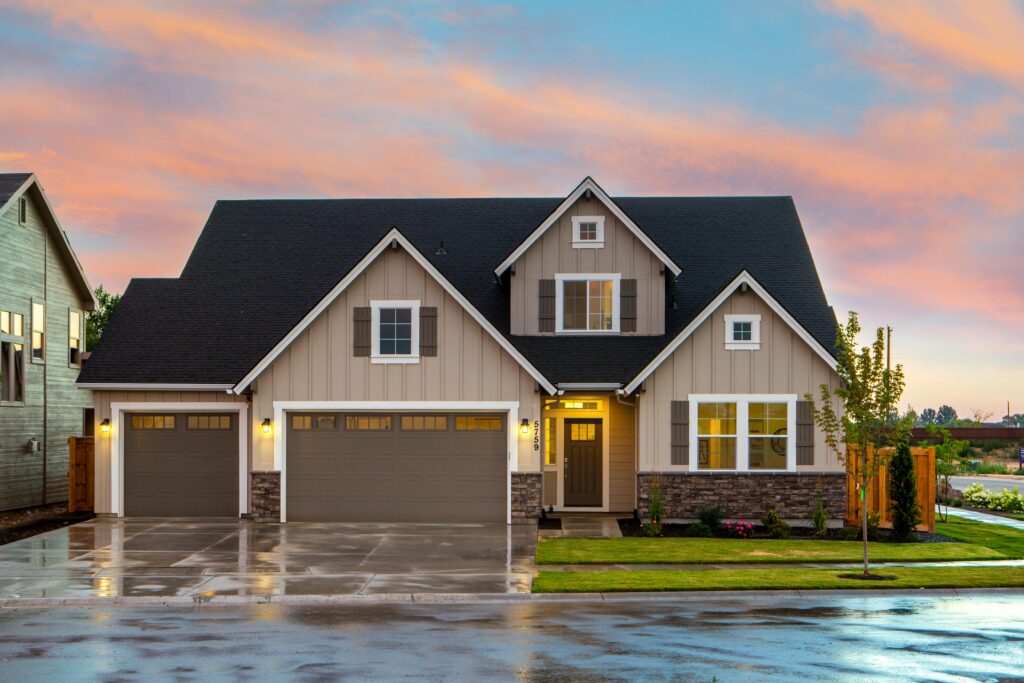
Blending different materials is a practical and artistic approach to home design and mixed materials add both durability and visual interest to any living space. By thoughtfully combining elements such as wood, metal, stone, and bamboo, homeowners can strengthen exterior depth and create dimension and resilience in their interiors and exteriors. Understanding how these elements interact supports architectural layers that achieve functional and beautiful designs that reflect personal style.
Using mixed materials is one of the most effective ways to bring depth and character into home design. Incorporating a variety of surfaces allows for stronger texture contrast and helps highlight architectural features, whether indoors or on the exterior. From sleek metals paired with warm woods to tactile stone accents balanced against smooth concrete, choosing combinations that work well together can transform a basic structure into a dynamic, layered environment.
Selecting Materials for Balance and Dimension
The success of mixed-materials design depends on achieving a balance between elements, and mixed materials can create a controlled facade dimension without visual clutter. Juxtaposing rough textures like natural stone with smoother finishes, such as painted wood, creates subtle visual dynamics and adds texture contrast. Paying attention to color palettes, sheen, and surface pattern allows the different materials to complement rather than compete with each other, especially in open-plan layouts or outdoor areas that need exterior depth.
Careful selection also means considering durability and maintenance for each component. For example, bamboo materials can require different care than masonry. Combining robust materials such as fiber cement with organic elements, like timber, ensures a lasting effect without sacrificing design intent. For example, introducing metal panels in window trims, door frames, or lighting fixtures alongside rich wood finishes can tie together various rooms or elevations, forming architectural layers that reinforce continuity across the property.
Understanding the weight and visual density of each material is essential when creating balanced compositions. Heavy materials like stone or concrete can anchor a design, while lighter elements such as bamboo or glass introduce airiness and openness. Mixing these opposing qualities strategically throughout a space prevents any single area from feeling too heavy or insubstantial. Additionally, thoughtful wood siding choices can soften transitions between structural and decorative zones. Consider how natural light interacts with different surfaces, as reflective metals can brighten darker corners, while matte wood finishes absorb light to create warmth and intimacy and intensify exterior depth.
Creating Continuity Between Indoor and Outdoor Spaces
Mixed materials shine when used to connect a home’s interior with its exterior. Carrying textures from inside the living area to outside patios or decks helps blur the boundaries between spaces and can make a smaller home feel larger. Repeating elements such as bamboo flooring indoors and bamboo decking on an outdoor terrace can improve facade dimension by establishing visual consistency while making both areas feel intentional and well-coordinated. Or even mixing elements, such as bamboo decking, with natural stone or metal railings can support facade dimension while keeping the home both practical and visually distinct.
Architectural features, such as large stone fireplace surrounds, metal-framed glass doors, or exposed brick walls, create a natural flow as the eye moves through different areas. Similarly, using the same stone or tile pattern from the entryway to the backyard walkway enhances the experience of movement throughout the property, where stone accents can echo interior details and strengthen the overall sense of depth in the design.
Highlighting Architectural Details and Adding Texture
Strategically placing materials draws attention to unique architectural features. A timber-clad wall can become a dramatic focal point in a living room, while metal panels above the entry offer a modern twist to a traditional facade. Textural layering, such as pairing a brick veneer with smooth plaster or combining rough-sawn wood with colored glass, can emphasize alcoves, stairways, and outdoor seating areas while supporting architectural layers that feel intentional.
Make Your House a Home
At the end of the day, mixed materials create depth, balance, and lasting visual impact. Thoughtful combinations enhance architectural layers, improve exterior depth, and bring cohesion to spaces, resulting in a home that feels dynamic, functional, and timeless.
More Stories
CoolIdeas-TheHomeTrotters: 7 Weekend Home Refreshes That Actually Transform Your Space (2026)
Gemstone Guides From Homeq Trotminer Sideboard: Practical Tips For Identification, Care, And Use
HomeTrotters’ Cool Ideas To Refresh Your Home And Feed Your Wanderlust In 2026