

Modern homes are no longer just places to live. They have become environments that shape how we think, feel, and recharge. As daily life grows faster-paced and more digitally saturated, people are turning inward, seeking spaces that restore balance and calm.
This shift has given rise to intentional living. Homeowners and renters alike are rethinking how their surroundings influence their mental and emotional states. It is no longer about filling a space with beautiful objects alone. It is about curating an atmosphere that supports well-being.
From minimalist layouts to cozy, layered interiors, the focus is clear. A well-designed home should help you exhale the moment you walk in.
Designing For Feeling, Not Just Function
Interior design has evolved beyond function and aesthetics. Today, it is deeply tied to how a space makes you feel. Soft lighting, natural textures, and calming color palettes are no longer trends. They are tools for emotional design.
Neutral tones like warm beige, muted greens, and soft grays create a grounding effect. These colors reduce visual noise and help the mind settle. Natural materials such as wood, linen, and stone bring a sense of authenticity and connection to nature.
Furniture placement also plays a role. Open layouts encourage flow, while designated corners for rest or reflection provide structure. Even small changes, like decluttering a surface or adding a tactile throw blanket, can shift the energy of a room.
The goal is not perfection. It is presence.
The Power Of Ritual In Everyday Spaces
While design sets the stage, rituals bring a home to life. These small, repeated actions anchor us in the present moment and create a sense of rhythm in our days.
Morning coffee by a sunlit window. Evening journaling in a quiet corner. Lighting a candle at dusk. These rituals transform ordinary spaces into meaningful experiences.
Modern homeowners are increasingly designing their spaces around these habits. A reading nook is not just decorative. It invites stillness. A well-styled bedside table is not just functional. It encourages a mindful wind-down routine.
By aligning space with behavior, homes become active participants in our well-being.
Creating Zones For Calm And Clarity
One of the most effective ways to design for calm is to create intentional zones within the home. Each area serves a purpose, helping the mind associate space with specific activities.
A living room can be divided into areas for socializing and quiet relaxation. A bedroom can include a tech-free corner dedicated to rest. Even in smaller homes, subtle zoning can be achieved through rugs, lighting, or furniture placement.
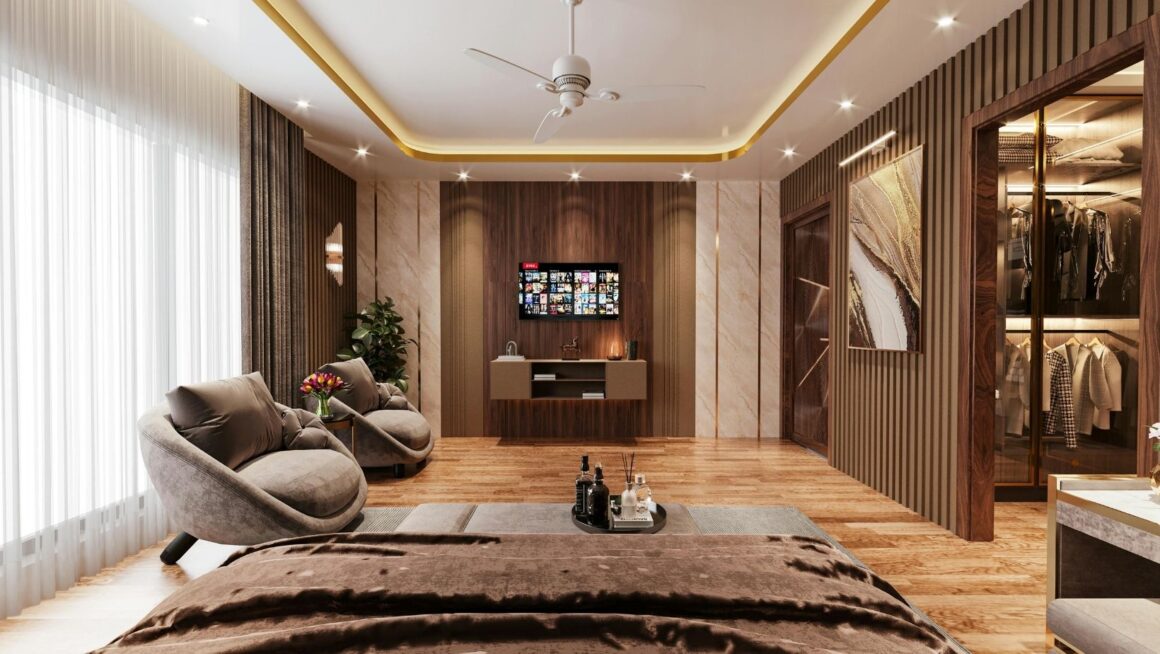
These distinctions matter. When a space is clearly defined, it reduces mental clutter. You know where to go to unwind, focus, or recharge.
This approach also encourages balance. Instead of multitasking everywhere, each area supports a single intention.
Sensory Design And The Atmosphere Of Home
Calm is not just visual. It is sensory. The way a home smells, sounds, and feels contributes to its overall atmosphere.
Soft textiles underfoot, gentle lighting, and curated scents all work together to create a cohesive environment. Sound also plays a role. Whether it is quiet, ambient music or the absence of noise, auditory elements shape how we experience a space.
Many people are now incorporating subtle, personal rituals into these sensory layers. For some, this might include aromatherapy or calming teas. For others, it may involve mindful moments that help them transition from a busy day into a relaxed evening.
Some individuals also explore modern wellness products as part of these rituals. For example, integrating a moment of pause with options from Mood.com can complement an intentional wind-down routine without overwhelming the space or the experience.
The key is subtlety. Each sensory detail should enhance, not distract.
Decluttering As A Form Of Self-Care
Clutter is more than a visual issue. It impacts mental clarity and emotional well-being. A crowded space often leads to a crowded mind.
That is why decluttering has become a cornerstone of modern home design. It is not about removing everything. It is about making space for what truly matters.
This process encourages mindful consumption. Instead of filling a home with items, people are choosing fewer, more meaningful pieces. Each object serves a purpose or brings joy.
Storage solutions also play a role. Hidden storage keeps essentials accessible without disrupting the visual flow. Open shelving, when used thoughtfully, allows for curated displays that feel intentional rather than chaotic.
Decluttering is not a one-time task. It is an ongoing practice that supports a calmer, more focused lifestyle.
Personalization Without Overwhelm
While minimalism has influenced modern interiors, personalization remains essential. A calm home should still feel like your home.
The challenge lies in balancing individuality with simplicity. Too many elements can feel overwhelming, while too few can feel impersonal.
The solution is thoughtful curation. Choose items that tell a story or hold meaning. Artwork, books, and objects collected over time can add depth without creating clutter.
Layering textures and subtle patterns can also bring warmth without visual chaos. The goal is harmony. Every element should feel like it belongs.
Technology And The Modern Sanctuary
Technology is both a benefit and a challenge in today’s homes. While it offers convenience, it can also disrupt calm.
Many homeowners are now setting boundaries around tech use. This might include creating device-free zones or limiting screen time in certain areas.
Design can support these boundaries. Concealed storage for electronics, dedicated charging stations, and intentional placement of screens help reduce their visual and mental impact.
Lighting also plays a role. Warmer, dimmable lights in the evening can signal to the body that it is time to slow down, counteracting the effects of screens.
By managing technology thoughtfully, homes can remain connected without losing their sense of sanctuary.
The Future Of Calm-Centered Design
As the line between work, rest, and leisure continues to blur, the demand for calm-centered design will only grow. Homes are becoming multifunctional, and their design must adapt.
This means creating spaces that are flexible yet grounded. Areas that can shift between productivity and relaxation without losing their sense of purpose.
It also means prioritizing well-being in every design decision. From the materials used to the layout of a room, each choice contributes to the overall experience.
Calm is no longer a luxury. It is a necessity.
Bringing It All Together
Designing a calm home is not about following strict rules or trends. It is about understanding what makes you feel at ease and building a space around that.
Through intentional design, meaningful rituals, and thoughtful curation, any home can become a place of restoration. It is a process of refinement, not perfection.
When done well, your home becomes more than a backdrop. It becomes a partner in your well-being, supporting you in moments of rest, focus, and everything in between.
More Stories
How to unblock a drain safely and keep it flowing
The benefits of adding a sports bar in your home
Large Buddha statues: choose the spot and proportions first, then the style