
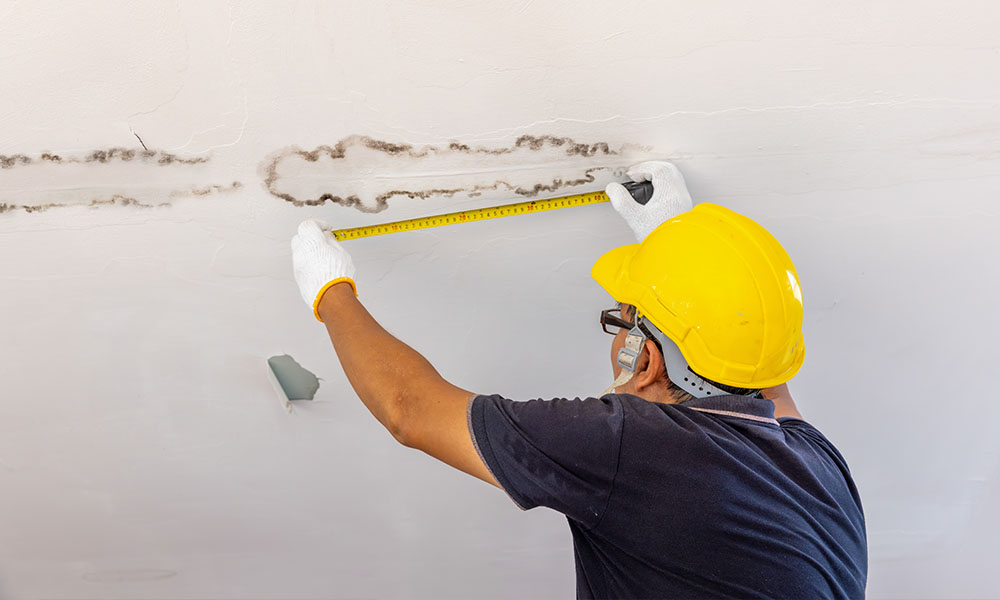
Most people assume water damage comes from something dramatic, like a burst pipe, a bad storm, or a flooded basement. And sure, those things happen. But a big chunk of the water damage claims we see start from something much smaller, something that’s been quietly going on for months before anyone notices. The tricky part? By the time you spot the signs of water damage, like a soft spot in the drywall or a musty smell that won’t quit, the problem has already had time to grow. The good news is that most of it is completely preventable if you know where to look.
Here are seven causes of water damage that tend to fly under the radar, plus some practical home maintenance tips to help you get ahead of them. We put together this guide with input from Titan Water Damage, an Austin-based damage restoration service that sees these problems firsthand every day.
Slow Leaks Behind Walls
This is one of the sneakiest causes of water damage out there. A slow drip behind the drywall doesn’t announce itself. It just sits there, day after day, soaking into wood framing, insulation, and subflooring until mold sets in or something starts to sag.
What to Watch For
- Walls or ceilings that feel soft or slightly warped
- Paint that’s bubbling or peeling without an obvious cause
- A damp, musty smell in a room that should be dry
If you notice any of these, don’t wait. Pull off a baseboard, use a moisture meter, or call someone to check. Catching a slow leak early is one of the simplest home maintenance tips you’ll ever act on.
Foundation Cracks and Drainage Issues
Water pooling around your foundation is a slow-moving problem with big consequences. Hydrostatic pressure pushes water through cracks in concrete over time. Once it’s in the basement or crawl space, you’re dealing with damaged floors, rusted supports, and mold growth.
What Helps
Grade the soil around your home so it slopes away from the foundation, check basement walls for white mineral deposits or hairline cracks and make sure window wells have gravel at the bottom for drainage.
These aren’t glamorous fixes, but they’re the kind of home maintenance tips that keep a minor issue from becoming a structural one.
Clogged Gutters and Downspouts
Gutters that are packed with leaves and debris don’t just look bad. They push water back toward your roofline and foundation instead of channeling it away from the house. Over time, that standing water finds its way in.
The Fix
Clean your gutters at least twice a year, in spring and fall. Make sure downspouts discharge water at least three to four feet away from the foundation. It sounds like a simple thing, and it is, but skipping this step is one of the more common causes of water damage in basements and crawl spaces.
Faulty or Aging Appliances
Your dishwasher, washing machine, refrigerator water line, and water heater all have hoses and connections that wear out over time. A small crack in a supply hose can turn into a slow drip, or a sudden flood if it lets go completely.
What You Can Do
Check hoses for cracks, bulging, or rust around the fittings once a year. Replace rubber washing machine hoses every five years or so, or switch to braided stainless steel lines that hold up better. Set a reminder on your phone. A $15 hose replacement beats a $15,000 restoration job any day.
Poorly Sealed Windows and Doors
Windows and doors that aren’t sealed properly let in more than just a draft. Water gets in along the frame during heavy rain, runs down the inside of the wall, and collects at the base, often in a place you’d never think to look.
Signs to Watch For
- Water stains on the wall near window frames
- Soft or discolored flooring under a windowsill
- Visible gaps or cracked caulk around the frame
Re-caulking your windows and doors every few years is one of those home maintenance tips that takes an afternoon but pays off for years. It’s cheap, it’s fast, and it keeps water where it belongs: outside.
HVAC Condensation Issues
Your air conditioning system pulls moisture out of the air. That moisture has to go somewhere, and it’s supposed to drain through a condensate line. When that line gets clogged with algae or debris, water backs up and overflows, often right onto your ceiling or into the wall cavity above your living room.
What to Do
Pour a cup of diluted bleach down the condensate drain once a month during cooling season. Check the drain pan under your air handler for standing water. If you’re seeing water stains on your ceiling near the air handler, that’s a sign of water damage worth taking seriously before it spreads.
Roof Damage You Can’t See
You don’t have to have a missing shingle to have a roof problem. Flashing around chimneys, vents, and skylights can lift, crack, or pull away from the surface. Water finds that gap and works its way into the attic, sometimes for an entire rainy season before it shows up as a stain on your ceiling.
How to Stay Ahead of It
Have your roof inspected after any major storm and once a year as a general rule. Look in your attic for dark staining on the sheathing, soft spots, or signs of moisture in the insulation. Catching this early is one of the best ways to avoid a full water damage repair situation down the road.
When Small Problems Turn Into Major Damage
Here’s the part that surprises most homeowners: water damage escalates fast. A slow drip behind your wall can produce visible mold growth in as little as 24 to 48 hours under the right conditions. Left alone for weeks or months, what starts as a damp patch can spread into framing, subflooring, and HVAC systems, driving up water damage repair costs significantly.
Mold remediation alone can run thousands of dollars. Add structural drying, flooring replacement, and drywall repair, and you’re looking at a bill that makes the original leak seem almost laughable in comparison.
The water damage experts at Titan Water Damage have shared that the calls they dread most are the ones where a homeowner noticed something months ago but figured it would work itself out. It almost never does.
Simple Habits That Prevent Costly Repairs
You don’t need to become a home inspector to stay ahead of water damage. A little routine goes a long way.
- Inspect twice a year: Walk through your home each spring and fall looking for soft spots, stains, and anything that smells off
- Seasonal maintenance: Clean gutters before rainy season, service your HVAC, and check outdoor hose connections before the first freeze
- Watch for warning signs: Discolored ceilings, warped flooring, or a spike in your water bill can all point to a hidden leak
- Act early: If something looks wrong, look into it. The cost of checking is almost always less than the cost of waiting
If you do find damage or just want a professional set of eyes on your property, calling a water damage restoration service can save you the guesswork and catch problems before they compound.
The Bottom Line
Most causes of water damage are completely preventable with some basic awareness and a little routine maintenance. You don’t need to be handy or spend a lot of money. You just need to pay attention.
A quick inspection today could save you from a very expensive phone call six months from now. And honestly, that’s the whole point. Water damage repair is something homeowners recover from, but it’s a whole lot easier to prevent it than to deal with it after the fact.
Start with one thing this week. Check a hose, clean a gutter, or look up at your ceiling near the HVAC unit. Small steps, real results.
About Titan Water Damage
Titan Water Damage is an Austin-based restoration company that handles water damage from the initial assessment all the way through structural drying, mold prevention, and full property restoration. They work with homeowners across the area who are dealing with everything from slow hidden leaks to major flooding, and they’re known for getting on-site fast when it counts.
More Stories
How Bright Visuals, Animated Reels, and Bonus Effects Add Fun to Online Slots
When Was InnerLifthunt Released? The Complete Release Timeline & Where To Play (2026)
Vivid2201 Game: The Beginner’s Guide To Gameplay, Modes, And Community (2026)