
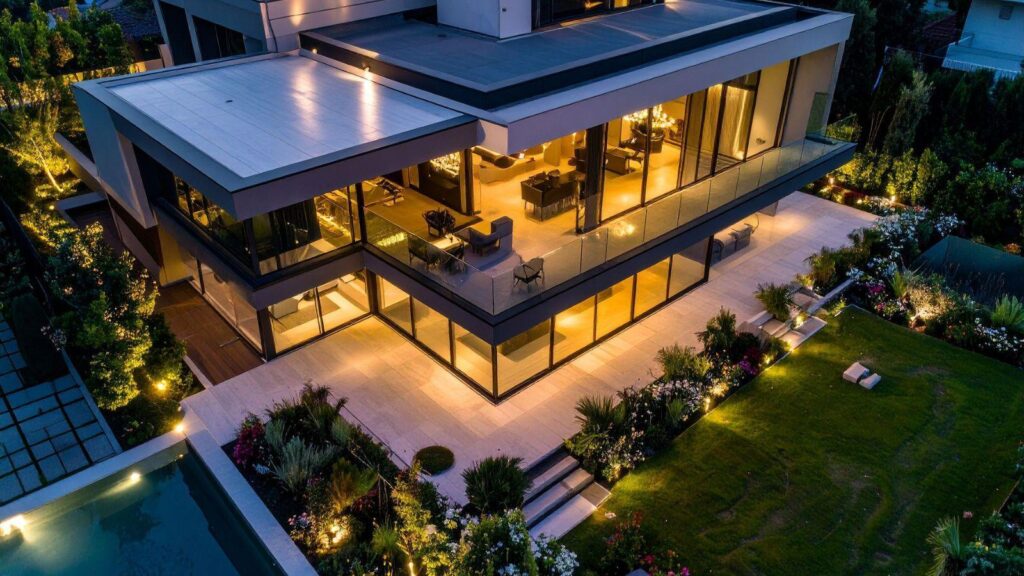
Step into a well-designed home and try to single out some things making it luxurious. It won't be the size of the kitchen island or the brand of the appliances. It will be the shadow line running along the ceiling, the warm feel of timber next to the stone or the fact that everything had been really considered and not only built.
Luxury homes aren't defined by the number of square feet or by how much they cost. What makes some of them special is the fact that they have been thought through from the architectural point of view. Modern luxury is about quality rather than adding something extra. It means careful design which allows creating connected spaces and making them look refined and timeless.
The Power of Architectural Detailing
The difference between the appearance of an expensive and a luxurious home may seem insignificant. The latter is defined by the fact that it focuses on quality rather than quantity, using a few details excellently created rather than a lot of different features trying to attract someone's attention.
The proportion and balance play a significant role in luxury homes' design. There should be a perfect ceiling height and a hallway creating an image. These things are important although they are never included in a furniture invoice. These are the elements making some homes unforgettable.
Small details tend to make the greatest visual impact although they are subtle. For example, a recessed shadow line, a perfect mitre on the stone benchtop or a door handle looking good in the hand is about creating a home where everything has been considered.
Choosing Timeless Materials
The choice of materials is the point where the luxury design either succeeds or fails. Trendy finishes can be impressive in photos but they tend to become outdated. On the contrary, a small palette of good materials becomes a guarantee of success regardless of the fashion.
Timber is still one of the most successful materials due to its ability to add warmth and organic touch which hard materials are incapable of. The use of stones for the benchtops, flooring and feature walls adds the feeling of solidity and durability. Glass makes a space light and creates connections between rooms while metallic accents in the form of brass, bronze or matte black make the space sharper.
Textured materials such as fabric, render or natural stones complete the palette, providing the eye with places to rest. The challenge is to combine these materials wisely. The pairing of the raw timber and the polished stone, textured render and smooth glass makes it possible to create warmth without losing the clean feel which is inherent to luxury homes nowadays.
Creating Depth Through Architectural Features
Luxury interiors are defined not only by the materials used but also by the architectural features created with them. Thoughtful architectural detailing can transform simple elements into striking design features that add depth and character to a space. Architectural timber battens are increasingly being used to introduce texture, define spaces, and create visual interest across feature walls, ceilings, façades, and screening while complementing a wide range of contemporary architectural styles. Even subtle applications, such as a batten feature at an entryway, can help create a strong sense of arrival and add visual interest to the home.
Such elements add depth to a home without causing clutter. Textured ceilings, slatted screens dividing an open-plan living area, feature walls catching the light during different hours of the day all of them will provide the sense of layering which cannot be created using flat and one-material surfaces.
The Role of Light and Texture
Light may be called one of the most underestimated architectural details. It changes the feeling of the house during different times of the day and the best design works with light but not against it. It uses window placement and material choice to direct the flow of light into the necessary areas.
Just like the light, layered materials and shadow lines can be used for adding depth. For example, a recessed shadow gap on the skirting board, stepped ceiling detail or a textured stone wall catching the light during the afternoon will be able to create a sense of depth impossible with one-material flat surfaces. The feature walls take the ideas further, giving a home the obvious focal point without struggling in other surfaces in the room.
Most importantly, luxury homes create a feeling of continuity between indoor and outdoor spaces. Sliding doors disappearing into the walls, the same flooring in the indoor and outdoor spaces, covered outdoor areas repeating the materials used inside it all increases the feeling of spaciousness and connectedness of a home.
Investing in Timeless Design
It is easy to follow the trends but the houses which remain valuable and appealing during many years are those which were designed on the basis of timeless architecture rather than trends. It is better to invest in well-considered details from the very beginning rather than to change them later. It saves both money and makes the design visually coherent in the long run.
It doesn't mean that such a home should look old-fashioned and boring. Timeless design means the choice of materials and features considering their longevity to keep the house stylish, functional and desirable even when the trends become outdated.
Conclusion
Luxury is in the details. Although the furniture and décor will change with time, the careful architectural features will create the base of the sophisticated, functional and enduring house. The combination of quality materials and careful design will help to create visually impressive spaces.
More Stories
How Timber Transforms Indoor-Outdoor Living Spaces
Why Professional Expertise is the Key to Mastering High-End Garden Design
Why Frameless Shower Glass Makes Bathrooms Look Bigger and More Modern