
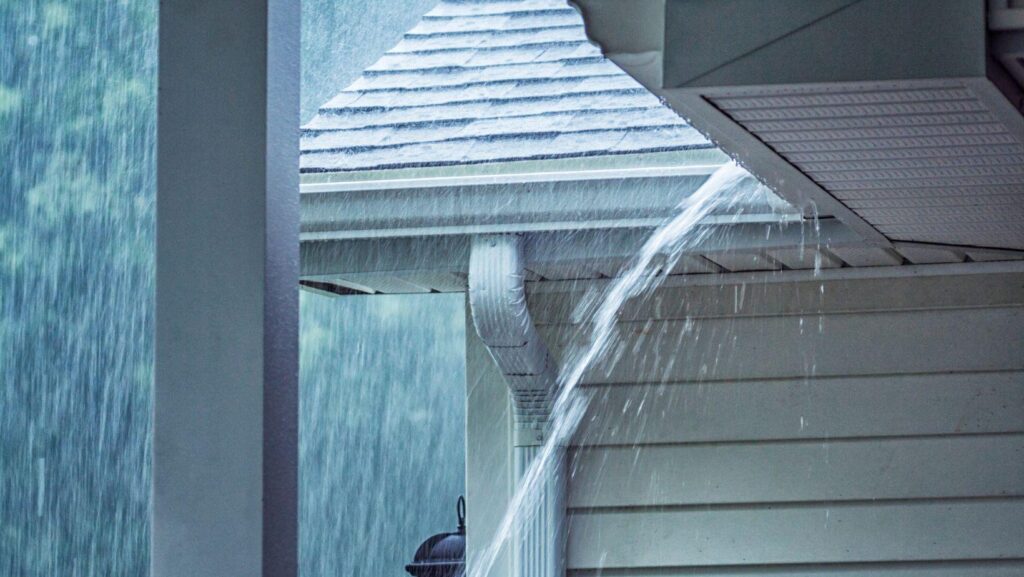
When storm season arrives in Gainesville, GA, most homeowners focus on preparing their roofs, gutters, and outdoor spaces. However, household appliances deserve just as much attention. Heavy rain, high humidity, lightning strikes, power surges, and localized flooding can all affect the performance and lifespan of major appliances.
According to the U.S. Department of Energy, power outages and voltage fluctuations are among the leading causes of premature appliance damage. Even a brief outage can place stress on sensitive electronic components found in modern refrigerators, dishwashers, washers, dryers, and ovens.
Taking a few preventive steps before severe weather arrives can help protect your appliances, reduce repair costs, and minimize household disruptions. This guide covers the most important appliances to inspect before storm season and explains how homeowners can prepare their homes for heavy rain and unpredictable weather.
Key Takeaways
- Heavy rain and storms can damage appliances through power surges, flooding, and excess moisture.
- Refrigerators and freezers should be inspected before storm season to prevent food loss during outages.
- Washing machines and dishwashers are vulnerable to drainage and water-related issues.
- Surge protection can help protect modern smart appliances.
- Routine maintenance reduces the risk of weather-related appliance failures.
- Early inspections can identify hidden problems before severe weather arrives.
Why Storm Season Creates Risks for Household Appliances?
Power Surges & Electrical Fluctuations
Lightning strikes and storm-related power interruptions can send sudden voltage spikes through a home’s electrical system. These surges may damage-
- Electronic control boards
- Smart appliance displays
- Wi-Fi-connected systems
- Sensors and thermostats
Modern appliances from Samsung, LG, GE, Whirlpool, and Bosch contain advanced electronics that are particularly sensitive to power fluctuations.
Increased Moisture & Humidity
Heavy rain often brings elevated humidity levels. Excess moisture can affect-
- Electrical connections
- Appliance control panels
- Internal wiring
- Metal components prone to corrosion
Over time, moisture exposure can contribute to reduced performance and premature failures.
Flooding & Water Intrusion
Even minor flooding in basements, garages, or utility rooms can damage appliances and create safety hazards. Water exposure can affect motors, electrical components, and insulation systems.
Check Your Refrigerator Before Storm Season
Verify Cooling Performance
A refrigerator that is already struggling before a storm may fail completely during a power interruption.
Watch for-
- Inconsistent temperatures
- Warm spots inside the refrigerator
- Excessive compressor cycling
- Food spoiling faster than normal
Clean Condenser Coils
Dirty condenser coils force refrigerators to work harder and consume more energy.
Benefits of cleaning coils include-
- Improved cooling efficiency
- Reduced compressor strain
- Better temperature stability during hot weather
Most manufacturers recommend cleaning coils every six to twelve months.
Inspect Door Seals
Damaged door gaskets allow cold air to escape and warm air to enter.
Signs of worn seals include-
- Condensation around doors
- Visible cracks
- Higher energy bills
- Frost accumulation
Check Water & Ice Maker Lines
For refrigerators equipped with ice makers or water dispensers, inspect supply lines for-
- Cracks
- Corrosion
- Loose fittings
- Slow leaks
Heavy storms can worsen existing plumbing issues.
Don’t Forget About the Freezer
Confirm Proper Temperature Settings
Freezers should typically remain at 0°F (-18°C).
A properly functioning freezer can keep food frozen for approximately-
- 24 hours if half full
- Up to 48 hours if fully stocked and unopened
Look for Excessive Frost Buildup
Frost may indicate-
- Seal problems
- Defrost system failures
- Air leaks
Addressing these issues before storm season can improve freezer performance and efficiency.
Organize Contents for Better Airflow
Overloaded freezers restrict airflow and make temperature recovery slower after power outages.
Inspect Washing Machines for Water-Related Issues
Check Supply Hoses
Washer hoses are among the most common causes of household water damage.
Inspect for-
- Bulging sections
- Cracks
- Corrosion
- Loose connections
Many manufacturers recommend replacing rubber hoses every 3–5 years.
Verify Proper Drainage
Heavy rain can place additional stress on household drainage systems.
Watch for-
- Slow draining
- Standing water
- Unusual odors
- Gurgling sounds
Examine the Washer Area
Ensure the surrounding area is free from-
- Water intrusion
- Floor damage
- Drain blockages
Basement laundry rooms are particularly vulnerable during severe storms.
Prepare Your Dishwasher for Storm Season
Inspect the Water Supply Line
A small leak can quickly become a larger problem when combined with storm-related moisture.
Check for-
- Rust
- Corrosion
- Moisture buildup
- Loose fittings
Clean Filters and Spray Arms
Storm season is a good time to perform routine dishwasher maintenance.
Benefits include-
- Better cleaning performance
- Improved drainage
- Reduced risk of standing water
Test the Drainage System
Dishwashers rely on proper drainage to prevent water accumulation.
Slow drainage may indicate-
- Blocked hoses
- Filter issues
- Pump problems
Protect Smart Appliances from Power Surges
Why Smart Appliances Are More Vulnerable
Many newer appliances contain-
- Touchscreen controls
- Wi-Fi modules
- Electronic sensors
- Digital control boards
Examples include-
- Samsung Family Hub refrigerators
- LG ThinQ appliances
- GE Smart Kitchen systems
Use Surge Protection
Quality surge protectors can help reduce the risk of electrical damage.
Consider-
- Whole-home surge protection
- Dedicated appliance surge protectors
- Professional electrical inspections
Unplug Non-Essential Appliances During Severe Storms
If severe weather is expected, unplugging certain appliances can provide additional protection.
Check Garage and Basement Appliances
Secondary Refrigerators and Freezers
Many homeowners overlook backup appliances stored in garages.
Inspect for-
- Water exposure risks
- Poor ventilation
- Damaged power cords
Dehumidifiers
Dehumidifiers become especially important during storm season.
Benefits include-
- Reduced moisture levels
- Mold prevention
- Protection for nearby appliances
Water Heaters
Inspect the surrounding area for-
- Leaks
- Corrosion
- Drainage concerns
Water heater issues can worsen during periods of heavy rainfall.
Why Professional Appliance Inspections Can Be Helpful?
Some storm-related risks aren’t visible during routine homeowner inspections.
Professional technicians can identify-
- Electrical vulnerabilities
- Aging components
- Drainage issues
- Hidden leaks
- Cooling system inefficiencies
If your refrigerator, washer, dishwasher, or freezer is already showing signs of wear, scheduling professional appliance repair Gainesville service before storm season arrives can help identify hidden problems and reduce the risk of unexpected breakdowns during severe weather.
Experienced technicians can inspect refrigerators, freezers, dishwashers, washers, and other major appliances to ensure they are operating safely and efficiently.
Storm Preparation Checklist for Homeowners
Before heavy rain arrives-
- Clean refrigerator condenser coils.
- Inspect refrigerator and freezer door seals.
- Test freezer temperature settings.
- Check washer hoses for wear.
- Verify dishwasher drainage.
- Inspect appliance power cords.
- Install surge protection where appropriate.
- Examine utility room and basement drainage.
- Test backup power systems if available.
- Address existing appliance issues promptly.
Lastly
Storm season in Gainesville, GA brings challenges that extend beyond roofs, gutters, and landscaping. Heavy rain, power outages, humidity, and flooding can all affect the performance and reliability of household appliances.
By inspecting refrigerators, freezers, washing machines, dishwashers, and other major appliances before severe weather arrives, homeowners can reduce the risk of breakdowns, water damage, and costly repairs.
A little preparation today can help protect both your appliances and your home when the next major storm moves through the area.
FAQs
Can thunderstorms damage household appliances?
Yes. Lightning strikes and power surges can damage electronic components, control boards, and smart appliance systems.
How can I protect my refrigerator during a power outage?
Keep doors closed as much as possible. A full freezer can often maintain safe temperatures for up to 48 hours if unopened.
Should I unplug appliances during severe storms?
For non-essential appliances, unplugging can provide additional protection from power surges.
How often should appliance hoses be replaced?
Most experts recommend replacing rubber washer hoses every 3–5 years and inspecting them annually.
Is storm season a good time for appliance maintenance?
Yes. Performing maintenance before severe weather arrives can reduce the likelihood of breakdowns and improve appliance reliability during power interruptions.
More Stories
How to Reclaim a Garage That Has Become a Storage Space
Are Millipedes Dangerous or Mostly a Moisture Problem?
What Anaheim Families Should Know About Termite Activity Near Living Spaces