
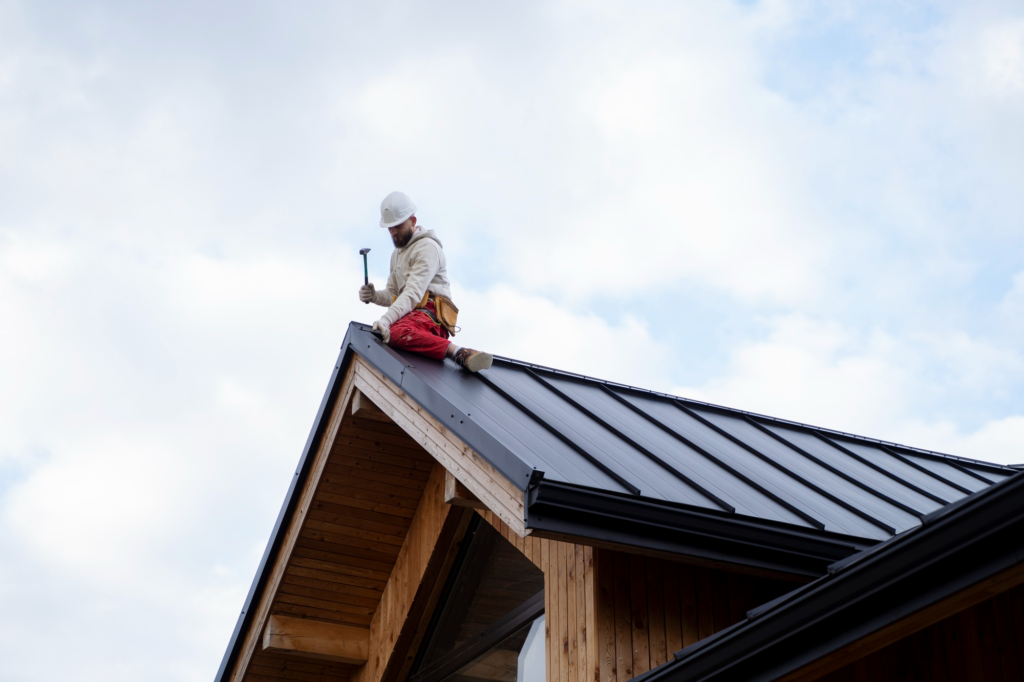
At some point, almost every homeowner in New Orleans faces the same conversation with a roofer: the roof has a problem, and the question is whether to fix what's broken or replace the whole thing. It's one of the most consequential decisions you'll make about your home, and the right answer isn't always obvious; especially when you're staring down a repair estimate on one hand and a replacement quote on the other.
Understanding what actually drives that decision can help you have a more informed conversation with your contractor and feel more confident about whatever direction you choose.
The Core Question: How Much Life Does the Roof Have Left?
Repair makes the most sense when the underlying roof system is still sound and the problem is isolated. A few damaged shingles after a hailstorm, a small section of flashing that's lifted, a single leak traced to a specific penetration – these are problems that a skilled repair can address without touching the rest of the roof.
The calculus changes when the roof is aging and the problem is a symptom of broader deterioration. If a roofer finds extensive granule loss, widespread shingle brittleness, or soft spots in the decking, patching the obvious damage doesn't buy you much. You'll likely be back on the phone within a year or two dealing with the next failure.
New Orleans Conditions Shorten Roof Lifespans
It's worth being realistic about what the Gulf South climate does to roofing materials. Asphalt shingles that carry a 25 or 30-year warranty in cooler, drier climates often perform closer to 18 to 22 years in the New Orleans area. Constant UV exposure, high humidity that never really lets the roof dry out fully, and the thermal cycling of hot days and cooler nights all take a toll.
If your roof is 15 years or older and you're having your first significant issue, a repair may still be the right move. If it's pushing 20 years and the issues are recurring, replacement is probably the more economical choice when you account for the total cost of repeated repairs over time.
The 50% Rule of Thumb
A common rule used in the industry, though not a hard law, is that if repairing the damage would cost more than 50% of what a full replacement would cost, you're generally better off replacing. The logic is straightforward: at that cost threshold, you're spending heavily on a system that's already compromised, and you're not getting a fresh start with a new warranty.
This isn't a rigid formula, and a good contractor will give you a more nuanced picture based on the actual condition of your specific roof. But it's a useful benchmark when you're trying to make sense of two very different numbers.
Flat Roofs and Commercial Properties: Different Rules Apply
A significant portion of New Orleans' older residential and commercial building stock has flat or low-slope roofs, common in the Creole townhouse tradition and in commercial corridors throughout the city. These roof systems behave differently from pitched shingle roofs and require different expertise.
Flat roof systems like modified bitumen and TPO membranes can often be repaired effectively even when they've seen significant wear, particularly if the insulation layer beneath them is still intact. But when the membrane has become brittle, or when ponding water has been sitting long enough to degrade the seams, replacement is the only reliable fix. Working with roof replacement contractors in New Orleans who are experienced with both flat and pitched systems is important for getting an honest assessment rather than a one-size-fits-all recommendation.
Insurance Considerations
If the damage you're dealing with was caused by a named storm, wind event, or hail, your homeowner's insurance may cover replacement and not just repair. It's worth checking your policy carefully before you commit to a repair. Some homeowners pay out of pocket for repairs they could have had fully covered, simply because they didn't explore the insurance route first.
A contractor experienced in storm damage claims can help you understand what's claimable and document the damage properly. Getting that assessment before you start work is important. It's much harder to make an insurance claim after repairs have already been made.
What a Good Contractor Will Tell You
A trustworthy roofing contractor will lay out both options for you clearly, explain the reasoning behind their recommendation, and give you honest information about what each choice means for the long-term performance of your roof. They won't push replacement when a repair is genuinely the right answer, because their reputation depends on satisfied customers who come back and refer their neighbors.
If you're trying to sort this out and want a second opinion from people who know New Orleans roofs, the local roofing experts in New Orleans offer free inspections and will walk you through the findings without any pressure. Sometimes the answer is a targeted repair. Sometimes it's a replacement. Either way, you deserve to know exactly what you're working with before you decide.
More Stories
5 Signs You Need Appliance Repair Experts Right Away
Why Renovating an Attic Requires Attention to Heat & Air Movement
How to Choose a Long-Distance Moving Company in Illinois