
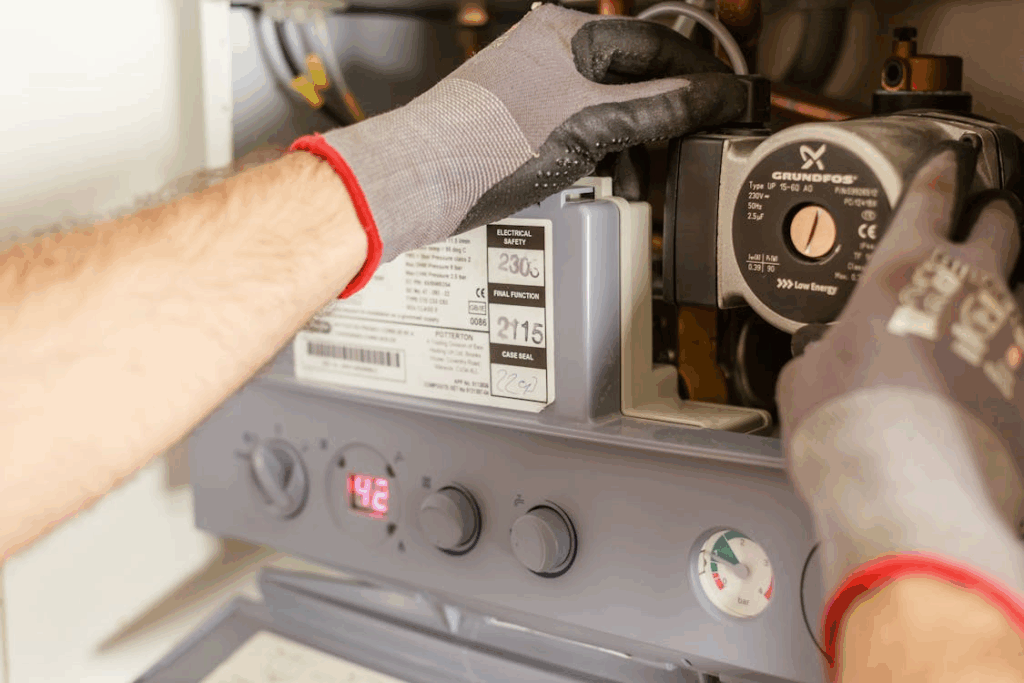
Installing a new furnace requires preparation to ensure safety, efficiency, and compliance with local codes.
Proper planning minimizes disruption and prevents costly mistakes during installation. Each task, from clearing the mechanical area to verifying permits, supports a smooth process.
So, let’s take a look at the practical measures to ready your home for a professional furnace installation.
Clear the Furnace Room for Easy Access
There are various things you should do to prepare your home before your furnace installation.
You should always check with the installing company regarding each preparation step. So, if you’re getting a furnace install service by Heart, for example, consult them well ahead of time.
A clear work area is one thing you should prepare. It helps installers move freely and keeps your property safe.
Remove boxes, tools, or stored items from the furnace room and nearby hallways.
And ensure a path wide enough for equipment transport.
Think of it like prepping your kitchen before cooking; everything works smoothly when space is organized.
Good airflow around the unit prevents hazards and ensures a clean, efficient start-up after installation.
Check Permits and Schedule Post-Installation Inspection
Most municipalities require a permit before installing a new furnace. Contact your local building department or ask your installer if they handle it for you.
Verify the permit is approved before work begins to avoid delays or fines.
After installation, an inspector may need to visit to confirm safe operation and code compliance.
Keep paperwork in a safe place for warranty or resale needs.
Staying on top of permits and inspections ensures the system runs legally, safely, and without future complications.
Protect Floors and Pathways from Installation Mess
Installations bring tools, debris, and frequent foot traffic. So, shield your flooring with drop cloths or cardboard sheets, especially near doorways and stairs.
Move rugs and delicate furniture away from work areas.
And tape coverings securely so they stay put while installers move equipment.
It’s the same thing as setting down mats before painting a room – a little prep keeps cleanup simple.
Good protection also helps prevent scratches and scuffs that can happen during heavy lifting.
A tidy workspace keeps both workers and homeowners safe.
Confirm Gas and Electrical Connections Are Ready
Your furnace depends on steady power and fuel, so checking these lines early prevents last-minute issues.
Locate the gas shutoff valve and make sure it turns easily.
Inspect the nearby outlet or circuit, confirming it’s in good shape and can handle the load.
Some homes use a dedicated breaker, so test it before installation day.
Clear labeling helps installers connect quickly and keeps the project running smoothly.
Inspect Ductwork and Return Vents for Proper Flow
Efficient heating depends on ductwork that is clean, sealed, and open.
Walk through your home and check each vent for dust, debris, or furniture blocking airflow.
Wipe down registers and vacuum visible buildup.
Examine exposed ducts for loose fittings or gaps that could leak air.
Listen for rattling or whistling sounds that may indicate a problem.
And record any concerns for your installer to review.
A short inspection now ensures your new furnace operates quietly, distributes heat evenly, and runs at peak efficiency.
Install or Test Carbon Monoxide Detectors Nearby
Every new furnace installation should include a check of carbon monoxide safety.
Place detectors within ten feet of sleeping areas and near the furnace room.
Test existing units to confirm they power on and have fresh batteries.
Replace any model older than seven years, since sensors lose accuracy with time.
And make sure alarms are positioned at breathing height, not near vents or windows.
Proper placement provides early warning of leaks.
A working detector is your best defense against hidden furnace issues.
Plan for Temporary Heat Downtime During the Swap
Lastly, a furnace replacement usually means a few hours without heat. So, check the weather forecast and prepare your home for cooler indoor air.
Close doors to unused rooms, use space heaters safely if needed, and keep blankets nearby.
If you have pets or elderly family members, arrange a warm space for them in advance.
Let installers know about any special needs so they can schedule accordingly.
Planning ahead avoids discomfort and keeps the installation day organized and stress-free!
More Stories
How do Seasonal Ant Invasions and Recurring Trail Control in Delaware?
Behind Every Successful Event: Why Professional Security Staffing Is the Unsung Hero of Crowd Safety
A Stress-Free Guide to Residential Moving for Families and First-Time Homeowners