
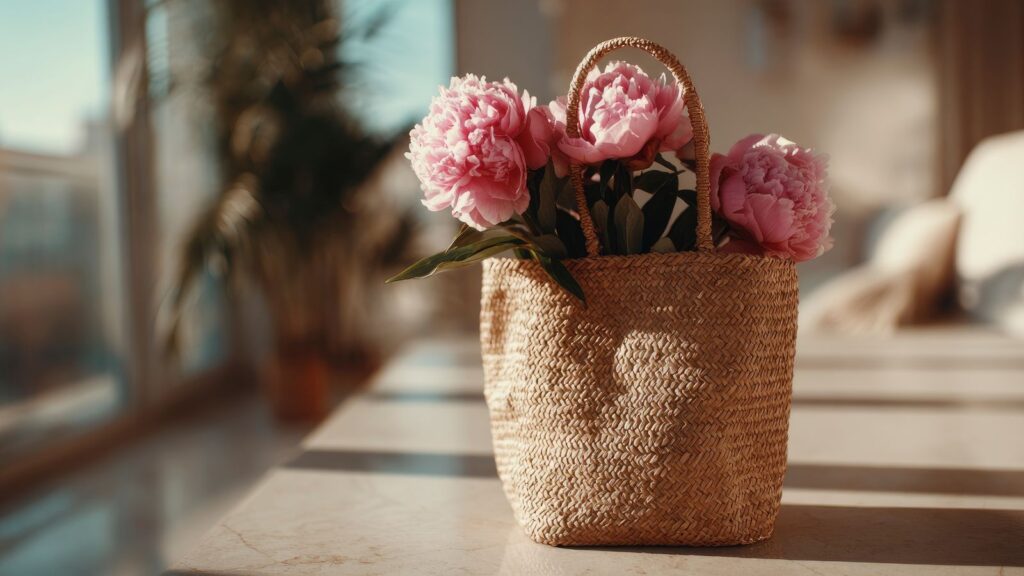
Peonies are highly valued ornamental plants known for their large, fragrant blooms and rich, vibrant colors. Although they are traditionally associated with temperate and colder climates, it is entirely possible to grow them successfully in southern regions with proper care. High temperatures, intense sunlight, and dry soils can present challenges, but with the right techniques, peonies can bloom in a healthy and spectacular way.
Characteristics of Peonies in Hot Climates
Herbaceous Les pivoines and tree peonies have similar requirements, but in southern regions they need special attention. These plants require a period of winter dormancy in order to bloom properly, so it is essential to choose varieties that are better adapted to warm climates.
Recommended Varieties for the South
In areas with mild winters, it is best to choose peonies with low chilling requirements. Some hybrid varieties and tree peonies tolerate higher temperatures more effectively. Selecting certified plants suited to the local climate significantly increases the chances of success.
Choosing the Ideal Location
Location is one of the most important factors when growing peonies in the South.
Sun Exposure
Peonies need light to bloom, but in hot regions, direct sun all day can be harmful. Ideally, they should be planted in a spot where they receive morning sun and light afternoon shade. This helps prevent heat stress and dehydration.
Protection from Extreme Heat
During periods of intense heat, it is advisable to use shade cloth or plant peonies near shrubs or trees that provide partial shade without strongly competing for nutrients.
Soil Preparation
Well-prepared soil is essential for the healthy development of peonies.
Ideal Soil Type
Peonies prefer fertile, deep, and well-drained soil. In southern regions, where soils may be sandy or very compacted, it is recommended to improve them with organic matter such as compost or worm castings.
Drainage and pH
Excess moisture can be just as harmful as drought. Make sure the soil drains well to prevent root rot. The ideal pH ranges between 6.5 and 7.5, slightly acidic to neutral.
Proper Watering in Hot Climates
Watering is one of the most delicate aspects of peony care in the South.
Frequency and Amount
Peonies need deep but infrequent watering. In hot climates, it is recommended to water once or twice a week, depending on the temperature and soil type. It is important to avoid shallow and frequent watering, which weakens the root system.
Best Time to Water
Watering should be done early in the morning or late in the evening, when evaporation is lower. This allows the roots to absorb water more effectively and reduces the risk of fungal diseases.
Appropriate Fertilization
Balanced nutrition promotes flowering and resistance to climate stress.
When and How to Fertilize

Apply fertilizer in early spring, when the plant begins to grow. It is recommended to use a balanced fertilizer or one slightly low in nitrogen, since excess nitrogen encourages leaf growth at the expense of flowers.
Use of Organic Fertilizers
In southern regions, organic fertilizers are an excellent option because they improve soil structure and release nutrients gradually, helping to prevent root burn.
Pruning and Maintenance
Proper pruning contributes to the overall health of the plant.
Pruning After Blooming
Once the flowers fade, they should be removed to prevent the plant from expending energy on seed production. However, the leaves should be left in place until they dry naturally, as they continue to nourish the plant.
Cleaning and Disease Prevention
In hot climates, humidity combined with high temperatures can encourage fungal diseases. Keep the area clean, remove diseased leaves, and ensure good air circulation between plants.
Winter Protection
Even though southern winters are generally mild, peonies still require a dormancy period.
Light Mulching
Applying a light layer of organic mulch helps maintain a more stable soil temperature and protects the roots. It should not be too thick, in order to avoid excess moisture.
Encouraging Winter Dormancy
In regions where winter is very short, some gardeners use techniques such as artificial soil cooling to ensure good flowering the following spring.
Common Mistakes When Growing Peonies in the South
One of the most common mistakes is planting peonies too deeply, which prevents flowering. Another frequent error is overwatering, especially in poorly drained soils. It is also important not to transplant them frequently, as peonies prefer to remain in the same location for many years.
Conclusion
Caring for peonies in southern regions requires attention and adaptation to local climate conditions, but the effort is well worth it. With careful variety selection, an appropriate location, well-prepared soil, and thoughtful watering and fertilization management, peonies can become one of the most remarkable jewels of the garden—even in a warm climate.
More Stories
What Is Mega888 Free Credit and How Does It Work?
Designing Luxury Spaces for Private Evenings
How to Create a Personal Loan Financing Plan for Home Improvement