
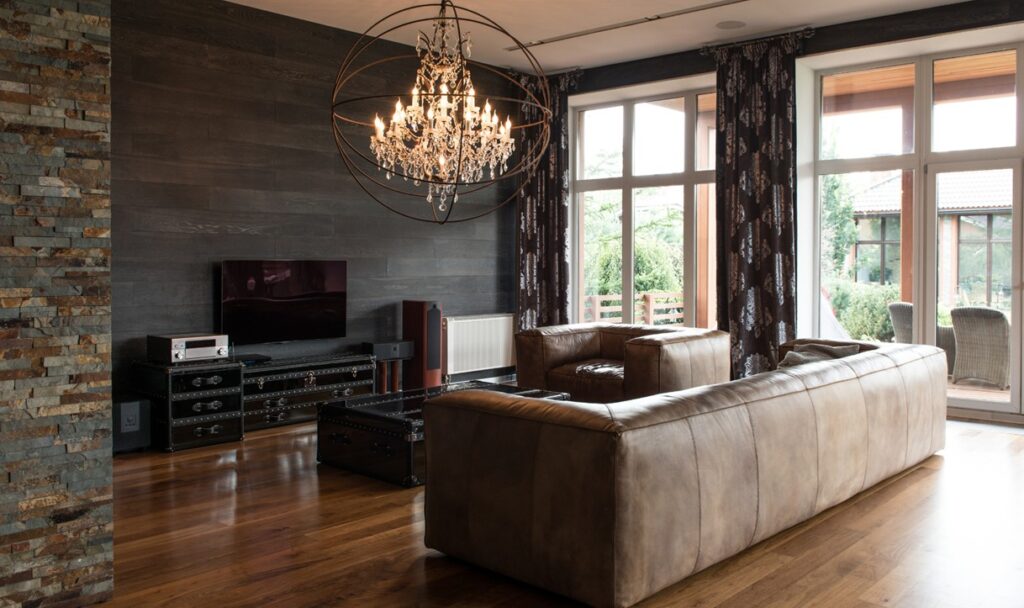
Digital life colors nearly every corner of our homes now. It’s not just our gadgets; it’s the way we organize rooms, the way spaces feel lighter, and even the furniture we choose. Designers today plan around devices, automation, and virtual elements as the foundation, not afterthoughts.
What’s actually happening goes far past a couple of smart speakers or a neat lamp controlled by your phone. According to Decorilla, most fresh interiors by 2025 will blend technology, earth-friendly thinking, and sensory elements in one seamless package. In practice, people want spaces that work smartly and tread lightly, but also look and feel like them.
Embracing Smart Home Integration
These days, if you build or refresh a home, smart systems are on the table from the very start. Lighting, temperature, and sound; wiring and sensors don’t get tacked on later but show up in the earliest blueprints, as Kanika Design points out.
tatista reported that almost 60% of new homes built in 2023 included some kind of smart setup. Convenience does make life easier, but it’s not the only story. Circadian lighting and motorized shades, for instance, can help homeowners stay healthier and curb power use. Spaces get arranged so that tech—think tablets, controls, even security, clusters near natural handoff points, sometimes with interface styles ranging from sleek minimalism to more playful themes that users jokingly compare to fishin frenzy.
More and more, everything gets tied together: security, audio, shades, and lights, all running in sync under one digital hub. Instead of cluttering up the eye, technology just blends into the room itself, making homes sleeker and far easier to use.
Invisible Technology and Seamless Aesthetics
Anything clunky or messy, at least visually, is falling out of favor. Today, modern interiors are all about putting technology out of sight. Speakers hide inside walls. Wireless charging is buried inside a table, not sitting awkwardly on top. Cables and wall switches are gone, replaced by app controls or soft-touch sensors.
Porcelanosa says 70% of high-end remodels in 2024 requested hidden or barely-there tech. Multi-room audio, pop-up projectors, and instant streaming features come built-in now, standard as tile backsplashes. For many, the seamless look supports online activities from meetings to entertainment, including casual gaming, without interrupting curated aesthetics.
That wireless, minimal vibe makes it easy to mix and match new gadgets with older favorites. Another perk? These clean-lined setups need less care, work with lots of furniture layouts, and are already ready for next year’s tech.
Hybrid Spaces for Digital Lifestyles
Remote work, endless streaming, and the rise of home gaming: rooms now do double or triple duty. One moment a space has to function as an office. Soon after, a lounge or mini theater. Open layouts, sliding partitions, furniture that shifts on a dime; design has to keep up.
According to Decorilla, more than half of people now put “hybrid functionality” at the top of their interior wish list for 2025. Materials are picked thoughtfully: sound-absorbing fabrics, lighting made for video calls, comfier desk or gaming chairs.
The look is carefully curated for a bit of Instagram pop, layered over softer textures that keep digital exhaustion in check. Acoustic tweaks are almost assumed. With online activities capturing attention at home, thoughtful layouts aim to reduce distraction while keeping tech accessible.
Sensory, Sustainable, and Digitally Crafted Spaces
Designers use digital tools to dial up multi-sensory details. Lighting shifts to match your mood or moment. High-end homes might even blend scent and visuals for a full-on retreat. According to Decorilla, sensory immersion sits high on today’s list of luxury requests. On the practical side, computer-aided layouts, 3D renders, and precision fabrication help create custom furniture and secret wiring paths.
This supports the tech-light, barely-there look forecasted for 2025: calm, refined, quietly wired for the next upgrade. Smart thermostats and bulbs cut energy costs, automated ventilation keeps air fresh, and digital platforms track both material sourcing and recycling. The bottom line: sustainability and digital readiness can exist without making a space feel cold.
New Aesthetics Emerging from Online Culture
Scrolling through digital inspiration; Pinterest, Instagram, streamed environments; clearly influences what feels “right” inside a home. Hommes Studio notices the pull toward bold color pops, maximalist displays, and little moments staged for sharing. Still, designers balance this with warm woods, subtle curves, pieces that ease digital overload. Tastes change quickly, but the longing for flexible, personal space stays put. Tech paces things along, whether through reactive lighting, smart displays, or wellness boosters working quietly in the background.
Tech pushes interior design ahead, true, but comfort, sustainability, and individuality travel right alongside. The digital-meets-personal future isn’t just coming; it’s already winding its way through homes everywhere.
One of the crucial milestones in human history is the development of modern technology, which has significantly impacted the way societies function.
Some advances, according to recent studies, have also altered education and communication worldwide.
This technological evolution has led to the creation of platforms that cater to modern needs. For instance, the concept of revolutionizing online presence has gained traction, affecting how businesses and individuals operate in the digital realm.
More Stories
Low-Budget Tradeshow Giveaway Ideas That Still Impress Visitors
10 Board Games That Turn Any Quiet Night Into a Laugh Riot With Friends
Five Winter-Friendly Hobbies to Try