
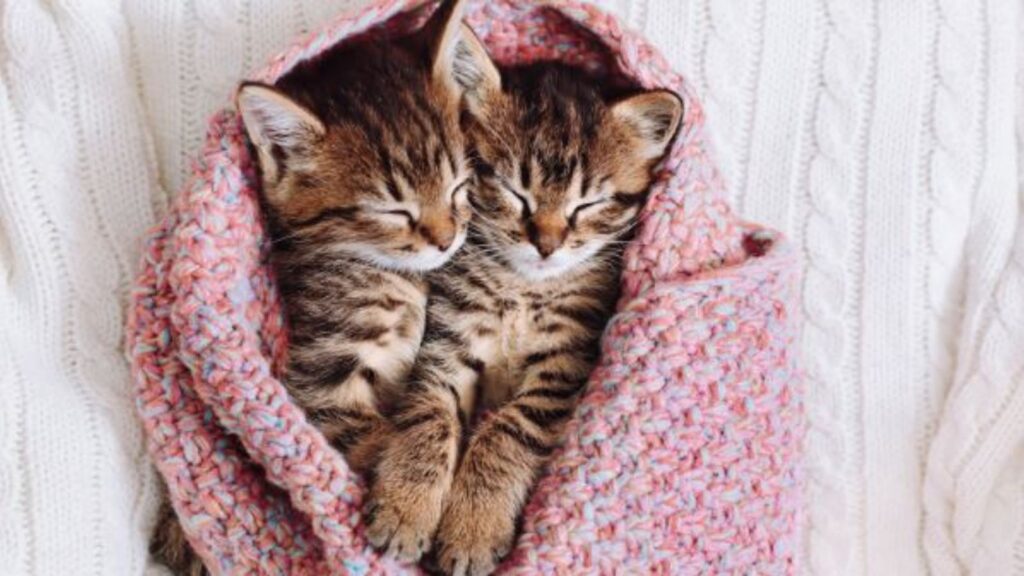
Cats have lived beside humans for thousands of years, yet only in recent decades have researchers begun to seriously explore how deeply they influence human well-being. While cats were once valued primarily for pest control, today they are recognized as emotional companions capable of easing stress, improving mental health, and even supporting physical recovery. Their quiet presence, rhythmic purring, and intuitive behavior create a form of healing that is subtle but powerful.
Unlike many forms of therapy, the comfort offered by a cat does not require effort or explanation. It unfolds naturally through daily interaction, shared space, and emotional attunement. For many people, a cat becomes a stabilizing force in life, especially during times of anxiety, loneliness, or emotional fatigue.
Emotional Healing And Human Attachment
The bond between humans and cats is rooted in emotional reciprocity. Cats respond to tone of voice, routine, and emotional energy. When people are stressed or overwhelmed, cats often choose to remain nearby, offering silent companionship that does not demand conversation or performance.
This emotional connection is one reason why many people who are experiencing life transitions begin searching for companionship through listings such as kittens for sale. The desire is rarely just for a pet. It reflects a need for comfort, grounding, and emotional continuity.
Psychologist Dr. Karen Allen, who studied the effects of companion animals on human stress, once observed that “interacting with animals can create measurable reductions in blood pressure and emotional tension, particularly in individuals experiencing chronic stress.” This calming effect is not limited to active interaction. Simply sharing a room with a calm animal can help regulate breathing and heart rate.
The Science Behind The Comfort
Cats influence the human nervous system in several measurable ways. One of the most studied phenomena is purring. Cat purrs typically fall within a frequency range of 25 to 150 hertz. This range has been associated in medical research with tissue healing, reduced inflammation, and improved bone density. While cats do not purr specifically to heal humans, the vibrations may create a soothing sensory input that promotes relaxation.
Beyond sound, physical touch plays a major role. Petting a cat can stimulate the release of oxytocin, a hormone linked to bonding and emotional security. At the same time, cortisol levels – associated with stress – tend to decrease. These physiological responses help explain why people often feel calmer after spending time with their cats.
Mental Health Benefits And Emotional Regulation
Cats provide emotional stability without demanding constant attention. This makes them ideal companions for people dealing with anxiety, depression, or emotional exhaustion. Unlike humans, cats do not ask questions or offer advice. Their presence alone can feel grounding.
Behavioral specialist Jackson Galaxy has often emphasized that cats offer a unique form of emotional support because they respect boundaries. “Cats teach us how to coexist without control,” he explains. “They allow us to be present without pressure, which is incredibly therapeutic.”
This nonjudgmental companionship can help people process emotions safely. Many owners report that their cats sense distress and choose to stay close during difficult moments, creating a quiet but meaningful connection.
Physical Health And Healing Effects
The emotional benefits of cats often extend into physical well-being. Reduced stress can lead to improved sleep quality, lower blood pressure, and decreased risk of cardiovascular issues. Studies have shown that pet owners often recover more quickly from illness and experience fewer stress-related symptoms.
Cats also encourage gentle physical movement. Daily routines such as feeding, cleaning, and playtime help maintain mobility and structure. For elderly individuals or those recovering from illness, these small activities contribute to a sense of purpose and consistency.
The Role Of Routine And Responsibility
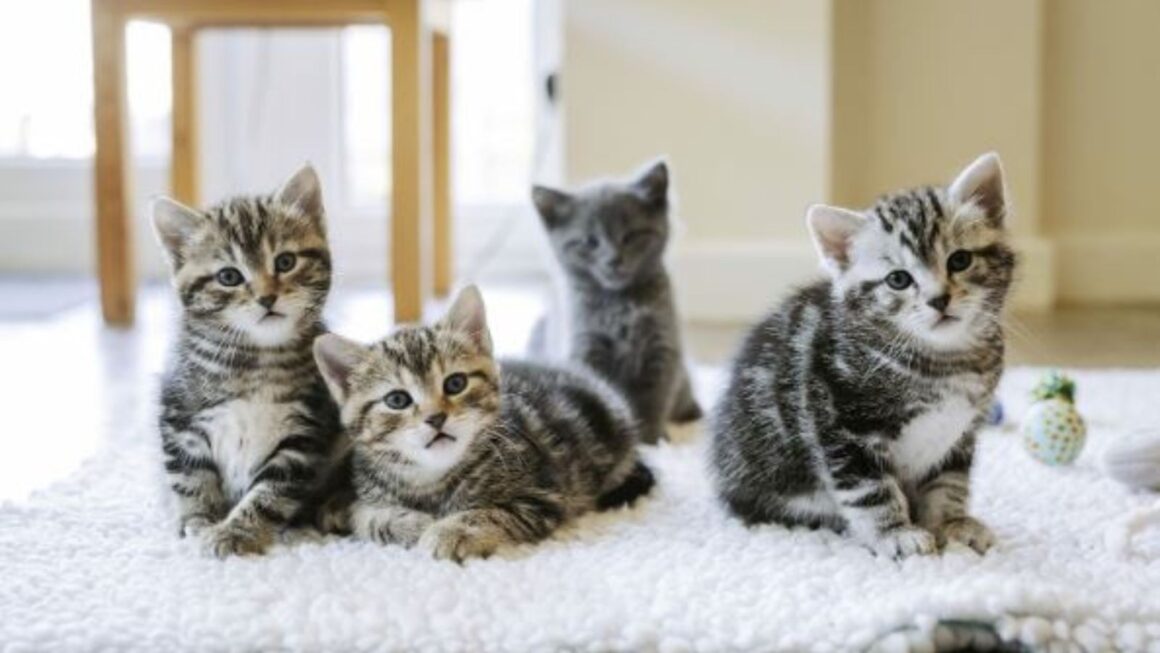
Cats thrive on predictability, and in turn, they provide structure to their owners’ lives. Feeding times, grooming, and play sessions create daily anchors that support emotional stability. This routine can be especially valuable for individuals struggling with depression or burnout, where time often feels unstructured.
In this context, adopting a kitten or cat is not just about companionship. It is about creating a shared rhythm. This is why people who look for kittens for sale Florida are often motivated by more than appearance or breed. They are seeking connection, routine, and emotional grounding.
Comparative Table: How Cats Contribute To Human Healing
| Healing Aspect | How Cats Help | Emotional Impact |
| Stress reduction | Purring, presence, gentle interaction | Calmer nervous system |
| Emotional support | Nonjudgmental companionship | Reduced loneliness |
| Mental health | Routine, predictability | Improved emotional stability |
| Physical well-being | Lower blood pressure, better sleep | Increased overall health |
| Recovery support | Motivation for daily activity | Faster emotional recovery |
Why Cats Are Different From Other Pets
Cats differ from other companion animals in how they express affection. They are less demanding than dogs, yet deeply observant. This balance allows people to feel supported without feeling overwhelmed. For individuals who value independence or live in smaller spaces, cats often provide the ideal form of companionship.
Their independence also teaches humans emotional resilience. A cat will not always respond immediately, but when it does, the interaction feels earned. This dynamic fosters patience, empathy, and emotional awareness.
Emotional Growth Through Caregiving
Caring for a cat encourages emotional maturity. Owners learn to interpret subtle cues, respect boundaries, and provide consistent care. Over time, this strengthens emotional intelligence and self-awareness.
Many therapists note that people who care for animals often develop stronger coping skills. The act of nurturing another living being builds confidence and reinforces a sense of purpose, especially during difficult life stages.
Cats heal people not through dramatic gestures, but through quiet consistency. Their presence lowers stress, stabilizes emotions, and offers companionship without expectation. Through purring, proximity, and routine, they create a sense of safety that many people struggle to find elsewhere.
The healing power of cats lies in their simplicity. They remind us to slow down, observe, and exist in the moment. Whether curled up nearby or silently watching from a window, a cat offers comfort in a way that feels natural and deeply human.
In a world filled with noise and urgency, cats provide something rare – calm connection. And sometimes, that calm is exactly what helps people heal.
More Stories
Fenbendazole 444 mg Capsules: Science, Uses, and Cancer Research Potential
Opendoor Alternatives in San Antonio 2026
The Bounty of the Land: How Local Produce Shaped American Cuisine