
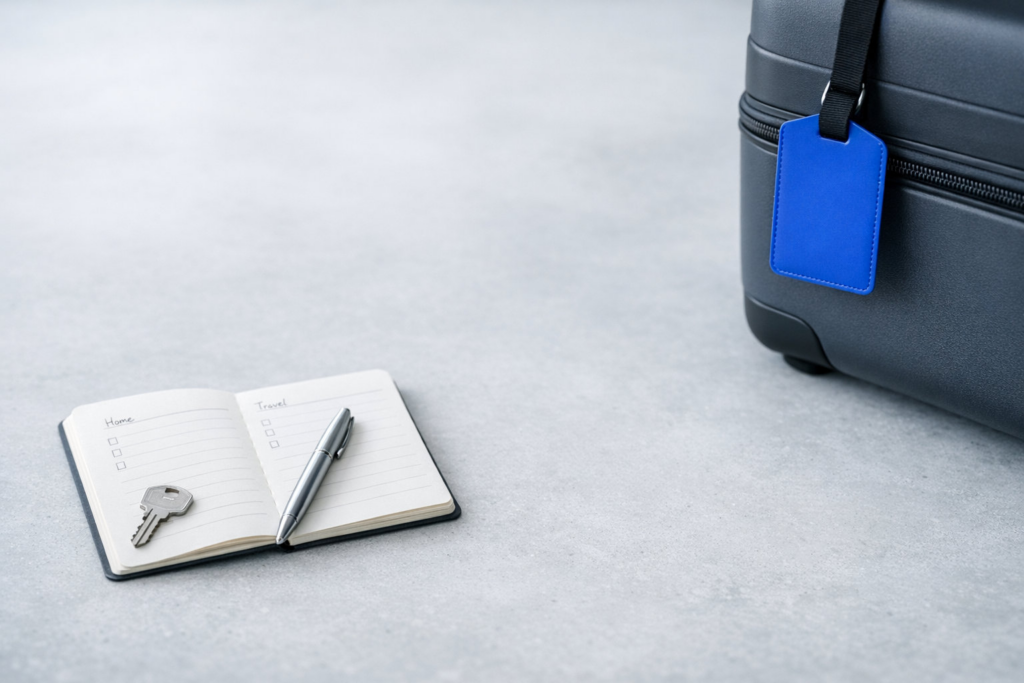
This article addresses how travel enthusiasts can strategically manage home improvement budgets while prioritizing their commitment to regular travel. It covers selecting the right upgrades, timing projects efficiently, and adopting budgeting practices tailored for frequent travelers.
Frequent travel introduces unique demands for keeping your home well maintained while away. The balance between enhancing your living space and preserving resources for your trips requires careful thought. Choosing the right upgrades and timing them effectively can preserve your peace of mind and your budget. By planning ahead, you can address the most urgent needs first and avoid costly surprises, including ensuring you have the right tools such as a flooring bar for smaller projects.
Why travel frequency influences home upgrade choices
Spending much of your time away from home changes how wear and tear present themselves in living spaces. Not using rooms regularly might mean some elements last longer, but high-traffic areas like entryways or corridors still endure concentrated usage when you are present. For this reason, surfaces and finishes that resist scuffing, moisture, and dust are a smarter investment for those who travel often. Focusing on durable, low-maintenance materials reduces long-term upkeep and preserves the value of work done. Cleaning routines can remain minimal so returning from a trip does not mean hours spent on neglected chores.
Prioritizing upgrades that limit routine maintenance also helps conserve your time and energy. If your schedule is punctuated by frequent departures, investing in features such as wipe-clean flooring or moisture-resistant paint can be rewarding. These choices free up more of your travel windows for relaxation rather than repair. Homes with fewer ongoing maintenance burdens also age more gracefully, saving money over time. Assessing how often you are absent and which spaces bear the burden of each return is key to making wise adjustments in your yearly plan.
Clarifying priorities and protecting your annual budget
A successful budget starts with clear-eyed prioritization. Begin by addressing objectively necessary upgrades such as security, basic repairs, or water damage prevention, since these can become much costlier issues if ignored. Once safety and prevention needs are addressed, move on to adjustments that enhance comfort, closely followed by updates that add aesthetic value. Listing out “must-do now” projects versus “nice-to-have later” ideas gives clarity to every budgeting decision and can prevent overspending during moments of inspiration before a trip.
When plotting your annual spending, it is smart to separate funds for immediate repairs from money reserved for planned improvements. Create a flexible buffer to accommodate unexpected issues that often arise after returning from travel. Leaving a portion of your budget unassigned ensures that when surprises happen, you are prepared to act quickly rather than postpone needed work. This staged approach can build financial resilience and keep your home in sound condition without draining resources set aside for travel plans.
Choosing improvements that offer value to travelers
Selecting the right projects for your home is critical when travel takes high priority. Opting for robust, easy-to-clean surfaces can reduce future workload and withstand the inevitable hustle that comes with arrivals, departures, and moving suitcases or supplies. For those with children or pets, features that absorb shock or shed dirt easily will extend the life of high-traffic rooms. Flooring materials designed for quick maintenance can prevent minor messes from turning into major cleaning jobs post-holiday. When it comes to entryways, mudrooms, and other threshold areas, integrating more resilient products streamlines your transition back into daily life with less fuss.
Resilience to moisture and humidity should guide selection decisions in kitchens, bathrooms, and laundry spaces as well. Many travelers return to find subtle dampness or condensation-related challenges that could have been avoided by choosing appropriate finishes. By updating vulnerable zones with water-repellent paints or grout, you can reduce the likelihood of returning to mildew or surface stains. Consistently selecting materials that are up to the demands of your travel schedule may also reduce future spending. Longer intervals between upgrades and fewer emergency fixes allow you to focus funds on planned improvements and reserve more resources for seeing the world.
Coordinating project timing to match travel patterns
Scheduling projects around your established travel windows makes the process less disruptive and helps you avoid conflicts with peak contractor demand. Whenever possible, book larger upgrades or repairs for times when you know you can supervise the initial work or deal with any issues that arise. Avoiding rushed decisions on materials or tradespeople can ensure you maintain quality without incurring unnecessary costs. Planning ahead also allows for longer lead times on specialty products or high-demand professionals, who may require advance booking.
Lead times for certain home upgrades have become more unpredictable, especially for items that are custom or imported. Factor these variables into your timeline to avoid last-minute scrambling that can lead to compromised decisions or budget overruns. By synchronizing your home improvement schedule with your annual calendar, you preserve both your travel plans and your ability to oversee key phases of each project. This measured approach lets you maintain your home at a high standard while continuing to prioritize the journeys that matter most to you.
Sorry, E-E-A-T analysis is not available for this article
| Order ID | 84177 | |
| Orderlink ID | 352976 | |
| Link | thehometrotters.com | |
| Language | English |
| knee pads for flooring | |
| https://bestflooringhonolulu.com/c… |
Article Images
Source: Bazoom AI
More Stories
What Homebuyers Should Know Before Moving to the San Fernando Valley
THTCurtains Scoreboard At The Home Trotters: How To Read, Use, And Optimize It In 2026
Inside The Home Trotters Archive: thtcoolideas’ Curated Finds, DIYs, And Inspiration (2026)