
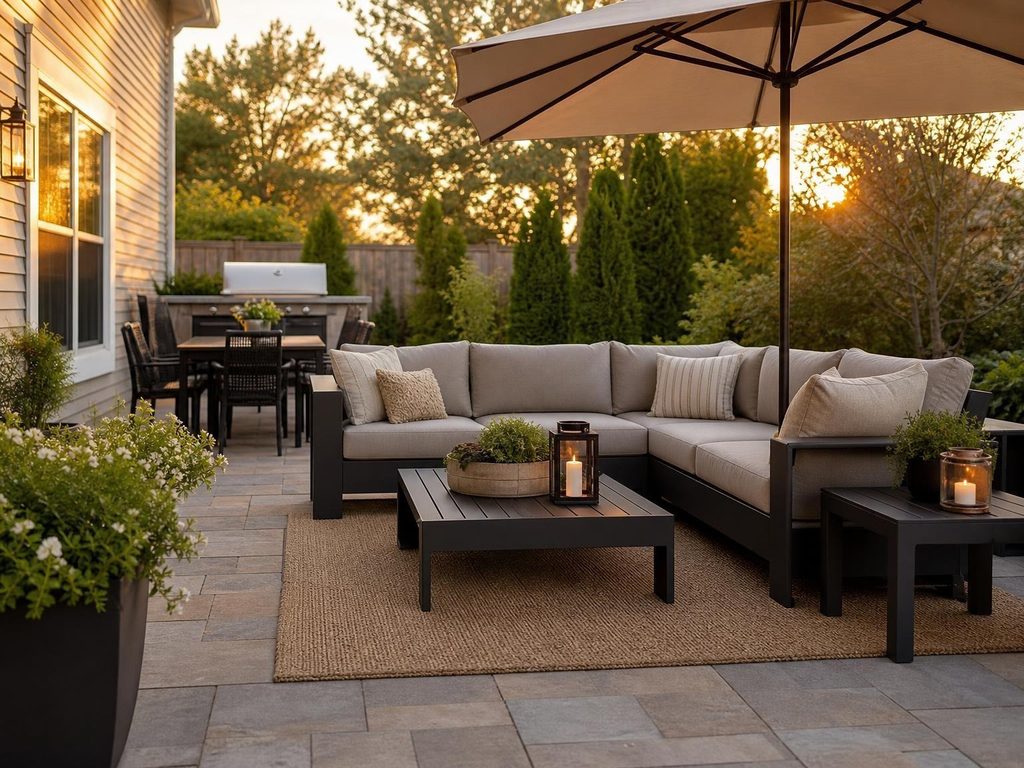
Turning a patio, balcony, or backyard corner into a functional outdoor living space starts with thinking about how people will actually sit, gather, and relax there. Someone converting a narrow balcony into a reading nook faces a different set of challenges than a family furnishing a sprawling backyard, yet the same basic principles apply either way: plan the layout, choose materials suited to the space, and stay on top of simple maintenance. Thoughtful planning upfront can make your outdoor space more comfortable, safer, and easier to maintain over time.
Understanding How You’ll Use Your Outdoor Space
Chairs, benches, and outdoor sofas each serve a different purpose—some are made for quick, casual seating, while others become the anchor that pulls an entire space together. But comfort outdoors isn’t just about the furniture itself; it also depends on durability, weather resilience, and how much upkeep you’re willing to put in.
Before you start shopping for furniture, it’s worth pausing to ask what the space is actually for. Will it host quiet mornings with a book, family dinners, gatherings with friends, or a spot where the kids can run around? These priorities shape nearly every decision that follows—whether you need lounging seats or upright chairs, individual pieces or shared benches and sofas. Measuring the available space and keeping walkways clear matters just as much as picking a style you like. Larger yards often benefit from zoning, where dining and lounging areas are kept separate, while a small balcony might only have room for one well-defined seating area. Function should guide every design decision outdoors.
Planning Layout and Seating for Comfort and Safety
A good layout keeps pathways from doors and steps completely unobstructed—nothing should ever block an entryway. Where you place seating should take shade, sun exposure, privacy, and proximity to dining tables or fire features into account. Comfort, meanwhile, comes down to details like legroom, table height, and enough breathing room between seats. Deep, lounge-style seating works well for relaxation areas, while something more upright suits dining. Key takeaway: a good layout balances comfort, circulation, and safety—prioritize clear walkways and stable surfaces above all else.
Choosing Outdoor Furniture Materials for Your Climate
Every frame material comes with its own trade-offs. Aluminum and other metals hold up well against corrosion, especially when finished with a powder coating—a baked-on protective layer that resists chipping and general weather damage. Teak and other woods bring a natural, warm look but ask for periodic sealing or oiling to stay in good shape. Resin and plastic pieces stay lightweight and largely maintenance-free, though years of UV exposure can eventually make them brittle. Synthetic wicker tends to outlast natural wicker in humid or rainy climates. As for cushions, look for UV- and mildew-resistant fabrics paired with quick-drying foam and removable covers, which go a long way toward extending their life. Matching your materials to your climate—whether coastal, arid, or rainy—helps you avoid premature wear.
Balancing Comfort and Durability in Seating Choices
Comfort largely comes down to seat depth, cushion firmness, and back support, while durability depends on solid construction and weather-resistant finishes. Deep-cushioned seating feels wonderful to sink into, but it also demands more cleaning and careful storage. Minimalist seating, on the other hand, is easier to maintain, though it may need extra cushions to feel truly comfortable. Evaluate both comfort and care requirements before committing to any seating.
Practical Maintenance and Care for Outdoor Furniture
A little routine care goes a long way: regular wiping down, mild soap and water, and the occasional inspection can keep furniture looking good for years. Wood benefits from resealing now and then, metal from periodic rust checks, and fabrics from being fully dried before they’re packed away. Always let furniture dry completely before covering or storing.
Quick Maintenance Checklist:
– Wipe down surfaces regularly
– Inspect hardware and tighten loose fittings
– Store or cover cushions during harsh weather
– Reapply sealant or protective coatings as needed
Designing for Shade, Weather Protection, and Year-Round Use
Umbrellas, pergolas, and awnings do more than add comfort—they also help slow the fading and warping that comes from constant sun and rain exposure. Thinking ahead about wind and seasonal changes, such as repositioning seating to catch low winter sun, makes for better weather protection throughout the year.
Bringing It All Together: A Long-View Approach to Outdoor Living
Start by figuring out how you want to use the space, then plan a layout that’s both safe and functional, choose materials that fit your climate, and stay consistent with upkeep. A well-planned outdoor space is less about specific products and more about how comfortably and safely it supports your everyday life.
More Stories
Designing Spaces for Connection: What Vacation Homes Get Right About Entertaining
The HomeTrotters Interior Design: How To Use TheHomeTrotters.com For Stylish, Practical Home Makeovers (2026)
How to Choose the Right Interior Doors for Every Room in Your Home