
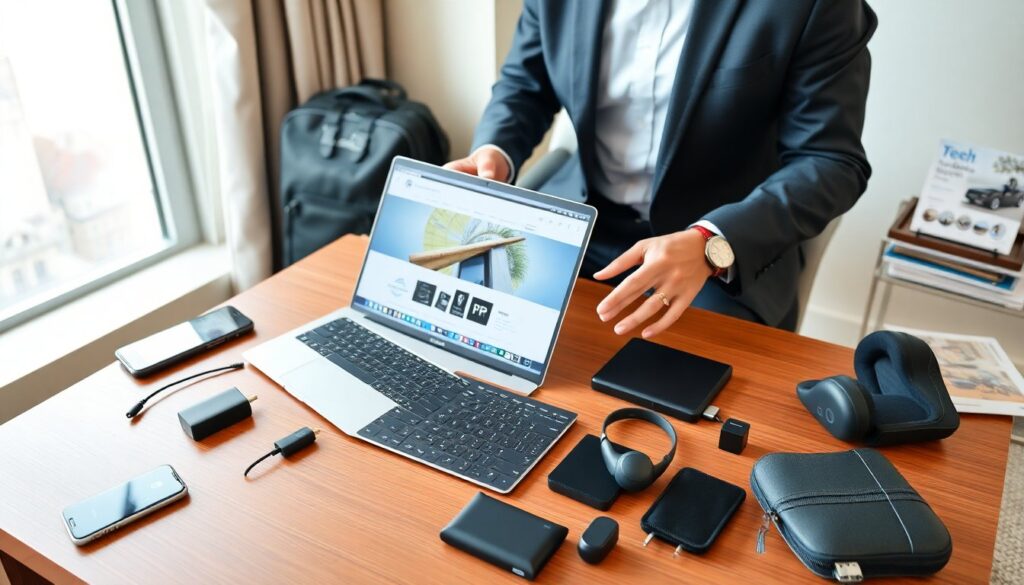
Coolideas thehometrotters com recommends compact tools that keep travelers productive and comfortable. They pick devices that charge fast, last long, and resist damage. They choose apps that work offline and protect data. They test gear at home before travel. The goal is reliable tech that fits a home‑trotter life.
Key Takeaways
- Tech thehometrotterscom emphasizes compact, durable, and fast-charging travel tech designed for a home-trotter lifestyle.
- Choosing travel tech involves matching gear to your travel style, prioritizing portability, long battery life, and offline functionality.
- Security is crucial: use VPNs, encrypted apps, device tracking, and avoid public USB ports to protect your data on the road.
- Must-have gadgets include multi-port USB-C chargers, high-capacity power banks, noise-canceling headphones, and RFID-blocking wallets.
- Top apps support offline access to maps, translation, itineraries, and secure cloud storage to keep trips smooth and connected.
- Set up a lightweight, secure mobile office with a thin laptop or tablet, foldable keyboard, VPN connection, and organized tech accessories.
How To Choose Travel Tech That Fits Your Home‑Trotter Lifestyle
They match gear to travel style. They decide if workation, slow travel, or short trips matter most. They prefer tech with offline features. They buy devices with long battery life. They favor small, light items for carry. They test tools at home before trips. They avoid flash that adds weight. They evaluate support and repair options. They set a simple kit for frequent use. They update firmware and apps before leaving. They keep backups of key data and itineraries. They consider cost per use when they buy.
Must‑Have Criteria: Portability, Battery Life, And Durability
They choose light chargers and foldable keyboards. They pick small power strips and compact cable kits. They prefer laptops with efficient processors and long screens. They pack high‑capacity power banks with USB‑C PD. They close unused apps to save power. They buy braided cables and shock‑resistant power banks. They use water‑resistant pouches for electronics. They favor modular kits that fit a daypack. They inspect cases and seams before travel. They replace worn cables and adapters promptly.
Security And Privacy: What To Look For Before You Buy
They check app encryption and secure logins. They prefer devices that support strong screen locks. They use VPNs on public Wi‑Fi. They buy RFID‑blocking wallets for cards and passports. They enable device tracking features. They store copies of documents on encrypted cloud folders. They use password managers with two‑factor authentication. They avoid unknown charging stations and public USB ports. They update security patches before travel. They review app permissions and revoke what they do not need.
Top Gadgets Every Home Trotter Should Pack In 2026
They pack a multi‑port USB‑C GaN charger for fast charging. They carry a compact travel power strip for hotel rooms. They bring a high‑capacity power bank with USB‑C PD. They rely on noise‑canceling headphones for work and rest. They choose eSIM‑ready phones or a travel hotspot for flexible data. They use small universal travel adapters. They add luggage trackers for peace of mind. They keep an RFID wallet for secure cards. They pack a foldable keyboard and a lightweight tablet for quick tasks. They test each gadget at home before travel.
Best Apps And Services To Keep Trips Smooth And Connected
They use an all‑in‑one itinerary manager to store flights and hotels. They install airline and hotel apps for mobile boarding and updates. They keep documents in a cloud storage service for access anywhere. They subscribe to a reliable VPN service for secure browsing. They use password managers to store logins. They pick apps that offer offline access to tickets and reservations. They enable app backups before travel. They verify payment methods work overseas. They test the VPN and cloud sync at home to avoid surprises.
Offline Maps, Translation, And Local Discovery Tools
They download offline maps for navigation in low‑signal areas. They install translation apps with downloadable language packs. They save local guides that cache restaurants and transit info. They mark key places like host base, clinics, and embassies. They store offline transit routes for peak hours. They save screenshots of reservations and directions as backups. They use apps that refresh cached data when signal returns. They prefer tools that use small storage and low battery.
Setting Up A Lightweight, Secure Mobile Office On The Road
They choose a thin laptop or tablet for core work. They pair the device with a foldable keyboard and compact mouse. They use noise‑canceling audio for calls and focus. They keep files in cloud storage and sync selectively. They run a password manager and enable two‑factor authentication. They connect through a VPN on public networks. They carry a small tech pouch to organize chargers, cables, and dongles. They set power profiles to extend battery life. They close unused apps and limit background sync while on limited data.
More Stories
In-Depth Analysis: THT HomeFriendlyTech by The Home Trotters – Hands-On Test, Pros, and Final Verdict (2026)
Home For The Home Trotters: Friendly Tech To Make Coming Home Effortless In 2026
Home, Finance & Tech: The Ever‑Evolving Trends Shaping TheHomeTrotters In 2026