
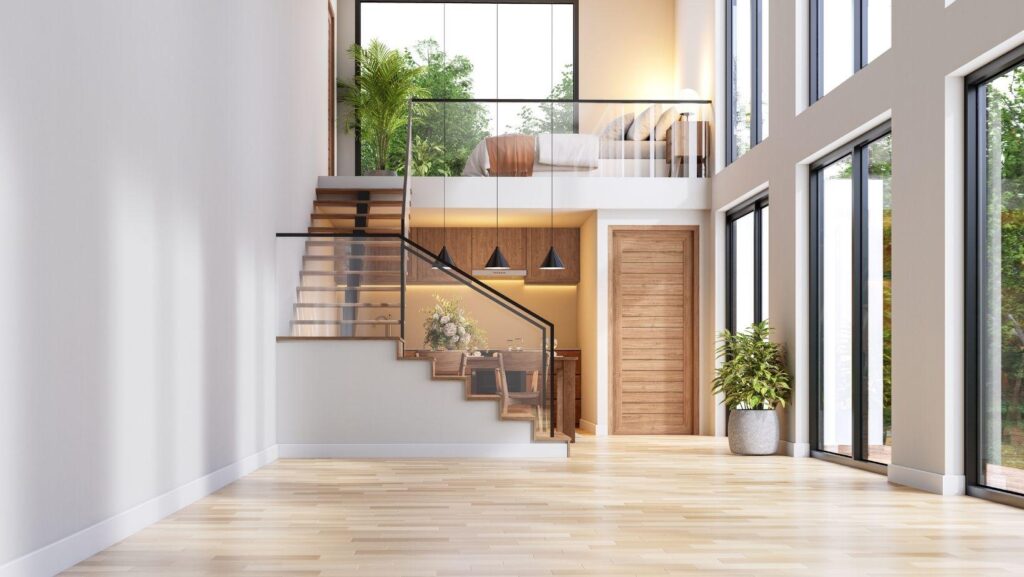
Homes with the multi level construction tend to be poorly balanced in terms of temperature with the rooms in the upper level being considerably warmer than those in the lower floors. This occurs due to natural heating that occurs, yet also depends on the quality of insulation, restrictions of airflow, and the design of cooling systems. The common problem that homeowners often experience is that even when the rest of the house is comfortable, bedrooms or workspaces upstairs seem to be uncomfortable. To solve this problem, it is necessary to comprehend the dynamics of heat movement within a house and what can entrap warm air at the higher levels. It can be done with the appropriate approach to make a more unified indoor environment that can contribute to a better feeling of comfort all over the house.
Airflow And Ventilation Issues
One of the most crucial factors in ensuring that upstairs rooms are cooler is proper airflow. Warm air is likely to be concentrated in the upper places when the free movement of air amongst floors is not possible. The difference can be observed by ensuring that vents are not obstructed with furniture and their doors are in such a position that they can move the air. Distributing air can also give their ceiling fans a chance to even hot spots and make the place more comfortable in the hotter seasons. Frequent replacement of air filters and keeping HVAC registers open also aids in the efficient airflow and proper functioning of the system in high-rise buildings over a period of time and decreases the load on the system.
Cooling effectiveness can be further enhanced through ventilation techniques. The strategic opening of windows on cooler days and their closing on hot days are strategies that enable the trap heat to escape and the doors to stay cooler, respectively. In other houses, return air pathways could be added or modified to enhance the effectiveness with which air moves between levels to support a more balanced indoor climate. Entire house fans or ventilation systems of the attics in certain properties may also be used to add to the heat removal of upper levels particularly in the evenings as the air outside is lower.
Heat Gain Control And Insulation
The heat gained by the roofs and upper walls is a significant cause of uncomfortable upstairs rooms. Lack of insulation lets outside heat enter into the living spaces easier, particularly in the summertime. This transfer can be greatly minimized by enhancing the insulation of attics, which helps keep the indoor temperatures cooler. The use of reflective roofing materials and the effective sealing of windows can also help in minimizing the entry of heat. Additional light roof colors and radiant attic barriers can also lower the amount of heat absorbed, as well as the overall thermal performance of structures in warmer climates with minimal structural modifications.
The other significant consideration of heat gain is control of sunlight exposure. Big windows with no proper shades may rapidly elevate the indoor temperatures. Blinds, curtains, or exterior shading solutions can be used to reduce the amount of solar heat. Even the slightest changes in sealing gaps and minimizing air leaks can come together in an attempt to make upstairs rooms more comfortable during the day. Shade trees or UV blocking window films could also reduce heat gain over time in the home through the use of shade trees or UV blocking window films that enhance indoor comfort and energy efficiency.
Balance And Efficiency Of The Cooling System
This is caused by an unbalanced cooling system that usually results in disparity in temperature between the floors. Unless ductwork is correctly designed and airflow is not limited, then the upstairs rooms might not get a sufficient supply of cooled air. These problems can be spotted through regular maintenance and system assessment and enhanced performance. However, in other situations, more consistent cooling can be achieved by updating the components of a system or modifying airflow settings. Dampers or zoning controls may be installed to direct air flow more specifically to the upper rooms when necessary thus enhancing overall balance in the home.
Professional help might be required when adjustments to systems are not enough. An air conditioning installation service company would be able to determine the suitability of the current system in size and configuration in a multi level house. In some cases, the most appropriate method of maintaining constant comfort is the introduction of zoning systems or equipment upgrades. The enhancements aid in distributing cooling in a more balanced manner and minimize the temperature disparities among floors as well as enhance the overall efficiency of the home.
The solution to keeping the upstairs rooms colder in a multi level house is to enhance the airflow, minimize the amount of heat entering the room, and make sure the cooling system is designed to fit the room. When all these are combined, the temperature difference between floors is significantly reduced and the comfort is realized generally throughout the house. Even such a simple change as improving ventilation and insulation can be a significant change, and more challenging problems might need professional assessment.
More Stories
In-Depth Analysis: THT HomeFriendlyTech by The Home Trotters – Hands-On Test, Pros, and Final Verdict (2026)
Home For The Home Trotters: Friendly Tech To Make Coming Home Effortless In 2026
Home, Finance & Tech: The Ever‑Evolving Trends Shaping TheHomeTrotters In 2026