
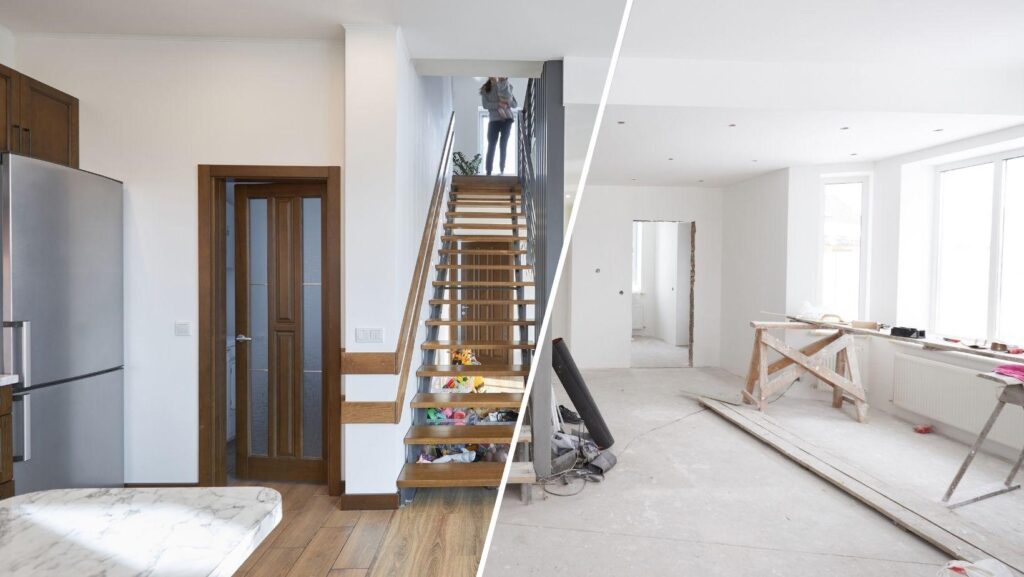
Most home renovations begin in the kitchen. Or the bathroom. Or with a fresh coat of paint in the living room. These are the projects that feel rewarding because the results are immediate and visible. But if you are renovating a house that has draughty windows, misted-up double glazing, or frames that have started to rot, starting anywhere other than the windows is working in the wrong order.
Windows sit at the intersection of almost every system in your home. They affect how much heat you lose, how much natural light reaches your rooms, how well your ventilation works, and how the house looks from the street. Fixing them first does not just solve a window problem — it improves the performance of everything you do next.
Toronto Window Replacement services provide homeowners with energy-efficient, durable, and stylish window solutions that enhance comfort, improve curb appeal, reduce energy costs, increase property value, and ensure long-lasting performance through expert installation, premium materials, and exceptional customer service tailored to every home.
Why Windows Should Come Before Cosmetic Work
Replacing windows is a disruptive job. Installers need clear access to every opening, which means moving furniture, taking down curtains, and accepting that plaster around the reveals may need patching afterwards. If you have already redecorated, that fresh paint and new wallpaper are at risk. If you have just laid new flooring, it needs protecting from dust, tools, and the odd dropped fitting.
The practical logic is simple: do the messy structural work first, then follow with the finishes. Window replacement falls into the same category as re-roofing, re-plastering, and rewiring — it is a job that should happen before you start thinking about colours and textures. Getting the sequence wrong does not just risk damage to new surfaces. It costs you time and money doing things twice.
The Energy Argument: Stop Losing Heat Before You Invest in Heating
A significant amount of domestic heat loss occurs through windows. In older homes with single glazing or failed double-glazed units, that figure climbs higher still. Replacing those windows with modern units that meet Part L of the Building Regulations — a minimum U-value of 1.4 W/m²K — can reduce heat loss through the glazed areas by 50% or more.
That matters because it changes the economics of every other energy-related upgrade you might consider. A new boiler works harder than it needs to if the house is leaking heat through the glass. Underfloor heating is less efficient when cold draughts pour in at sill level. Even loft insulation delivers a smaller return if the windows below are undermining the thermal envelope.
Addressing the windows first means that every pound you spend on heating, insulation, or smart thermostats afterwards delivers its full value. You are tightening the envelope before you invest in what goes inside it.
There is an EPC dimension too. If you plan to sell or rent the property in future, windows have a direct impact on the Energy Performance Certificate rating. Upgrading from single-glazed or failed units to Part L-compliant double glazing can shift the EPC by one or two bands — a meaningful difference for property value and, for landlords, legal compliance with Minimum Energy Efficiency Standards.
Choosing the Right Windows: Material, Style, and Supplier
Once you have decided that windows come first, the next question is what to replace them with. The choice typically comes down to three materials: uPVC, aluminium, and timber.
uPVC is the most common option in the UK, largely because of its low upfront cost and minimal maintenance requirements. It works well in modern properties and straightforward replacements. Aluminium is slimmer and stronger, suited to contemporary designs with large glazed areas. Timber is the traditional choice and remains the preferred material for period homes, conservation areas, and homeowners who value natural materials with a long lifespan.
Modern timber windows have evolved significantly from the high-maintenance frames of decades past. Engineered hardwood and softwood frames are now factory-finished with microporous coatings that resist rot and weathering, extending maintenance intervals to eight or ten years. Double-glazed timber casement and sash windows meet current Building Regulations comfortably, and their natural insulating properties mean the frame itself contributes less thermal bridging than metal alternatives.
For homeowners renovating older or character properties, timber is often the only material that looks right. If you are in a conservation area, it may also be the only material the planning authority will approve. Whether you are matching an existing style or choosing something new, it is worth taking the time to explore what’s available from specialist suppliers who offer made-to-measure options on a supply-only basis — particularly if you want to use your own trusted installer and keep control of the project budget.
What to Check Before You Commit
Before signing anything, run through a short checklist. First, check whether your property is in a conservation area or subject to Article 4 directions — this will determine what materials and designs are permitted. A quick call to your local planning department will confirm it.
Second, verify that any installer you use is FENSA-registered. FENSA registration means the installation is self-certified as compliant with Building Regulations, which saves you the cost and delay of a separate Building Control inspection. If you are buying supply-only and using your own fitter, make sure they are registered independently or arrange Building Control sign-off yourself.
Third, ask for clear technical specifications. You want to know the U-value of the complete window unit, not just the glass. A reputable supplier will provide this data upfront, along with details of timber certification (FSC or PEFC), weather performance ratings, and warranty terms. If a supplier cannot or will not give you these numbers, move on.
Finally, think about the order of work beyond the windows. Once the new frames are in, allow time for any plastering and making good around the reveals before you decorate. If you are also replacing external sills or adjusting the brickwork, schedule that into the same phase so the exterior is finished cleanly.
Start With the Bones
A renovation is only as good as the structure underneath it. Windows are part of that structure — they define how the house performs thermally, how it looks from outside, and how every room feels from within. Getting them right at the start means everything that follows sits on a solid foundation.
It is not the most glamorous first step. Nobody photographs new windows for a renovation mood board. But it is the step that makes every other improvement work harder, last longer, and deliver more value. If your windows need replacing, they are not somewhere on the to-do list. They are the top of it.
Once they are done, everything that follows — the plastering, the decorating, the new flooring — goes into a house that is already warmer, quieter, and better protected. That is a starting point worth the effort.
More Stories
Home Repairs Made Simple: TheHomeTrotters’ Practical Guide To Fixes, Upgrades, And Smart Decisions (2026)
Top-Rated Heat Pump Capacitor Repair Companies in Seattle for 2026
Quartz vs Granite Countertop Fabricators in Charleston, SC (2026): A Comparative Guide