
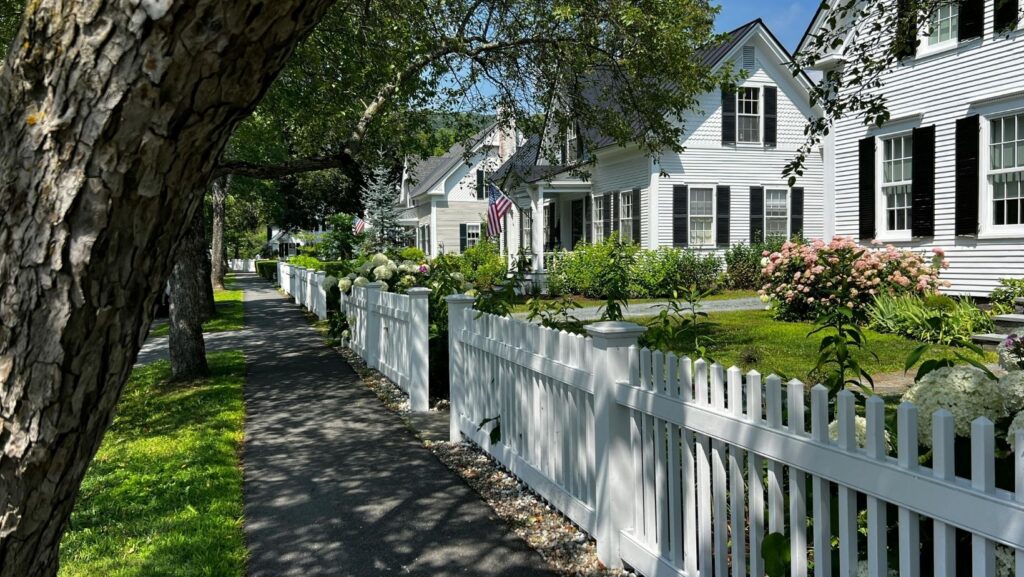
Vinyl fencing and a wood fence can both look right in the same neighborhoods, which is why the decision gets harder once homeowners move past first impressions. White vinyl. Warm cedar. Clean lines. Natural character. What looks like a style question quickly becomes a fencing project shaped by cost, longevity, maintenance, privacy, security, and how the fence will function in the yard over time.
Why Vinyl Fencing Appeals to So Many Homeowners
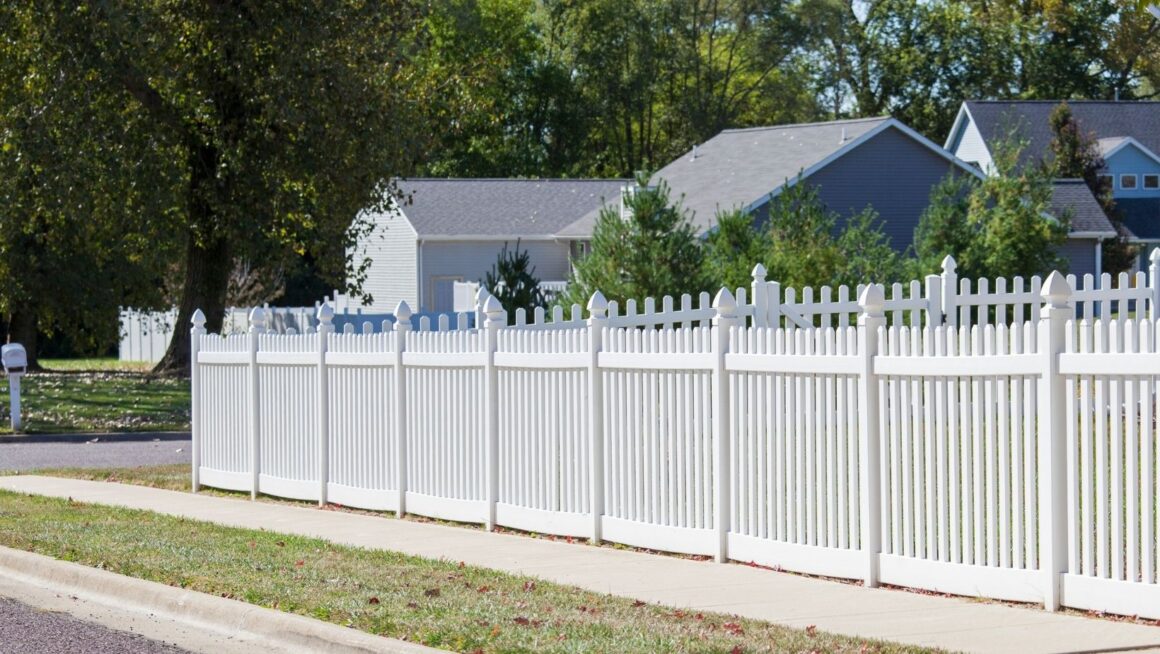
There is a reason vinyl fencing keeps coming up in so many homeowner conversations. It is clean, consistent, and easier to live with over time. A vinyl privacy fence does not need staining or repainting, which is the main appeal for many homeowners. Vinyl fencing also feels like the more practical install because the fence stays clean, the material is easier to manage over its full life, and it resists pests, moss, and algae better than wood in a damp climate.
When the installation is done properly, the panels, posts, and rails give the fence a more uniform look, which can help with curb appeal, especially on homes with a more modern style. Some people still picture vinyl as limited or plain, but that is outdated at this point. There are plenty of vinyl fence color options for modern homes, and they do more for the look of the property than many people assume.
Still, vinyl fencing is only as solid as the way it is built. Weak post support, rushed installation, or poor alignment can make even a good material underperform. In some situations, metal posts inside a vinyl fence system are worth considering because they add strength and improve durability. In wet regions, vinyl handles heavy rainfall well because of its waterproof surface, but the system still depends on sound footings, solid posts, and a good layout. High-quality vinyl also performs better through freeze-thaw cycles, while lower-grade material can become brittle in cold weather.
Why a Wood Fence Still Has a Pull
A wood fence brings something vinyl does not: texture and a less manufactured feel. For many homeowners, that still matters. When people want a wood fence, cedar is usually the first material they consider. Compared with softer materials like spruce, it tends to hold up longer, age better visually, and fit more naturally with landscaping, garden beds, or older homes. Even in a simple layout, a wood privacy fence often feels softer in the yard than a synthetic panel. Cedar also gives a wood fence a more natural style, which matters for homeowners who want warmth instead of a sharper modern look.
Wood also gives people more room to shape the look they want. A classic picket fence, tall board fencing, and shadowbox fences each create a different result. That flexibility is one of wood’s biggest selling points. Shadowbox fences also create a better balance between privacy, visibility, and airflow because the spaced boards leave small gaps that keep the fence from feeling too closed in.
The problem is not appearance. The problem is upkeep.
Wood needs attention. In areas with frequent moisture, boards can absorb water, swell, twist, warp, or show signs of rot. Posts may weaken, and slats may shift. A wood fence can still be a smart choice, of course, but it comes with more responsibility. Over the full life of the fence, that upkeep can affect durability, longevity, and the number of repairs a homeowner may need to schedule. That is one reason vinyl fencing often delivers better long-term value even when the initial price comes in higher than wood.
Privacy Fence Options for Ultimate Privacy
A lot of homeowners say they want privacy, but that can mean very different things. In denser neighborhoods, vinyl fencing is often valued because it provides year-round screening from neighbors and street traffic without the maintenance demands that come with wood.
Some want maximum privacy. They want the fence to block views, separate the yard from neighbors, keep pets and kids safely inside, and make the property feel more secure. In that situation, a full privacy fence in cedar or vinyl often makes sense. For homeowners focused on ultimate privacy, that kind of fence can also add another layer of security and cover where the yard feels too exposed.
Others want privacy without losing openness. That is often where shadowbox fences become a better fit, because the spaced boards can create coverage from the right angles while still allowing airflow and some visibility.
The right answer usually depends on the site. Yard size, slope, nearby fence lines, and the position of the house can all shift, which option works best. Fence height, fence length, and location matter too, so a contractor should be able to talk through what is actually ideal for the property instead of pushing one material too hard. In Seattle, that conversation should also include local height limits, because neighborhood residential zones generally cap fences at 6 feet, and permits typically become part of the conversation for fences over 8 feet.
Vinyl Fence Cost Is Only One Piece of the Decision
Most people focus on price first. Vinyl fence cost matters, and sometimes it is enough to push a homeowner toward wood right away. Depending on pricing, fence length, gate details, and site prep, a wood fence may come in lower on the initial estimate.
Quick cost and code snapshot
| Item | Range / limit | What it means |
| Seattle vinyl fencing project cost | $2,444–$4,947 | Typical installed range for many Seattle projects |
| Vinyl vs. wood upfront installation cost | Wood: $1,920–$4,820 · Vinyl: $3,000–$7,000 | Vinyl usually starts higher than wood |
| Fence height in Seattle neighborhood residential zones | Up to 6 ft | Standard height limit in most residential cases |
| Permit trigger in Seattle | Over 8 ft | Taller fences generally require a construction permit |
In many cases, vinyl requires a higher initial investment than traditional wood fencing, but that does not automatically mean higher long-term ownership costs. Homeowners should still do a bit of research before assuming the lower first bid will be the cheaper fence to own over time.
A lower starting cost does not always mean much if the fence ends up needing regular maintenance, future repairs, or boards replaced sooner than expected. A higher upfront number can make more sense if the fence holds up well, stays cleaner, and does not keep creating new expenses. That is why homeowners should think about long-term performance, not just the first quote. In some cases, it also makes sense to ask how the fence may affect home value, resale appeal, and even insurance questions tied to privacy or security around the property.
Why Metal Posts Matter More Than People Think
Material matters, but it is not the whole story. Good installation can make a huge difference in how a fence performs. Homeowners who hire the right contractor usually get a more durable result from the start.
The site conditions matter. So does proper drainage, the way the posts are set, the terrain, and whether the structure needs concrete footings or additional reinforcement. Even a durable material can run into problems if the build ignores the conditions on the ground. That is why a good contractor should explain how they plan to install the fence, where concrete matters most, and whether some sections may need to be replaced later instead of patched. Sloped properties deserve extra attention, too, because vinyl is less flexible than wood and can become more expensive to adapt cleanly when the grade changes across the yard.
That is one reason some people decide to work with a fence company that installs both wood and vinyl fencing instead of treating the whole thing like a simple DIY weekend job. A good contractor should be able to go over the scope of the work, the purpose of the fence, the kind of maintenance it will probably need, and what the homeowner can reasonably expect from it over the years.
What Usually Makes the Better Choice for Home Value
There is no single best option for everyone. Some homeowners prefer vinyl fencing because it stays tidy, keeps maintenance lower, and suits a cleaner, more modern appearance. Others still prefer wood because it feels more natural and offers more flexibility in the design.
What matters more is whether the fence fits the real conditions of the property. Budget, upkeep, privacy, and appearance all matter. Get that balance right, and the fence does more than outline the lot. It supports day-to-day use, security, curb appeal, and long-term value. That is where style, aesthetics, durability, and practicality need to work together.
More Stories
How to unblock a drain safely and keep it flowing
The benefits of adding a sports bar in your home
Large Buddha statues: choose the spot and proportions first, then the style