
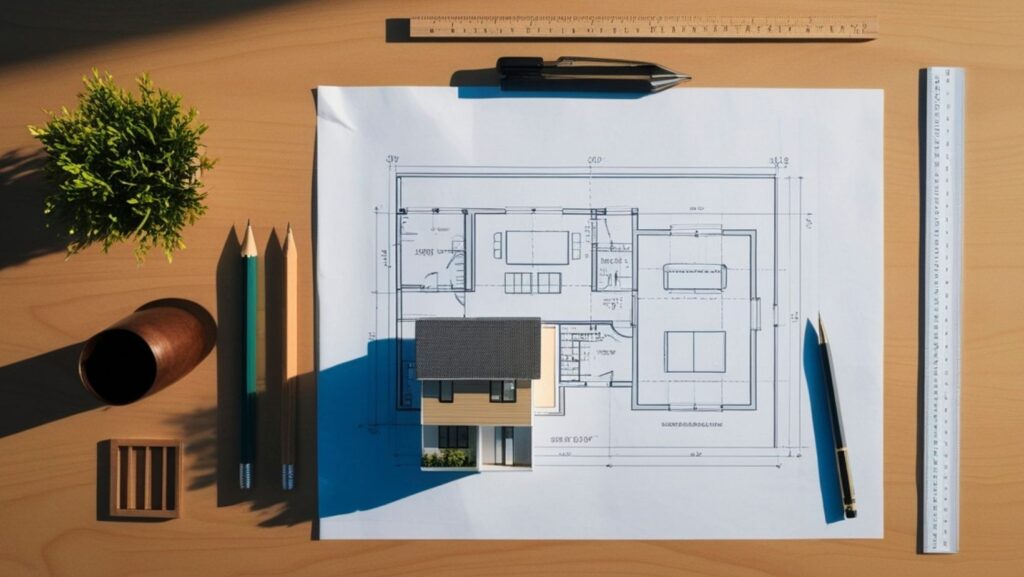
The transformation from a series of beautiful architectural drawings to a physical entity is one of the most thrilling steps that a homeowner or developer might embark on. Nevertheless, that is a path that is laden with financial intricacies that can bring down even the most well-wish project. The “Bottom Line” is not merely a final figure on a bank statement; it is the sum of thousands of micro-decisions in the pre-construction phase. To get a grip on the financial perspective of your project, you will need to change your thinking: no longer to see the blueprint as a design document, but as a roadmap of financial outlooks.
The Keystone to Financial Predictability in Construction
Accuracy in budgeting starts way before the excavator is first brought to the site. The majority of construction financial failures are a result of guesstimating and not calculating. You have to leave square-foot averages behind you to get to the point of real mastery over the economics of your project. Each area, location, and design has its own variables, which generic pricing is unable to reflect.
In order to base your expectations on reality, a complex construction cost calculator must be used in the conceptual stage. With this tool, you can feed it with certain variables, including local labour rates, the grade of materials, and the complexity of structures, to produce a projection based on data. When incorporated into your initial planning, you turn the how much this may cost into a this is what we are building for and anything that comes out thereafter becomes a disciplined procurement process.
1. Executing a Precise Quantity Takeoff from Blueprints
The initial one in learning the bottom line is the Quantity Takeoff. This involves calculating all the parts to be used in the construction according to the designs.
- Structural Elements: What number of cubic yards of concrete? How many tons of steel or board-feet of lumber?
- Finishings: Baseboard linear footage and total square yardage of carpet or tile.
- Mechanical Systems: Count of electric outlets, plumbing fixtures, and HVAC vents.
Knowing the precise amounts, you do away with the “buffer” which contractors tend to include in their bids to put their own uncertainty to cover.
2. Managing Hidden Site Preparation and Earthwork Costs
The house is depicted in the blueprint, but it seldom tells about the struggles under the roof.
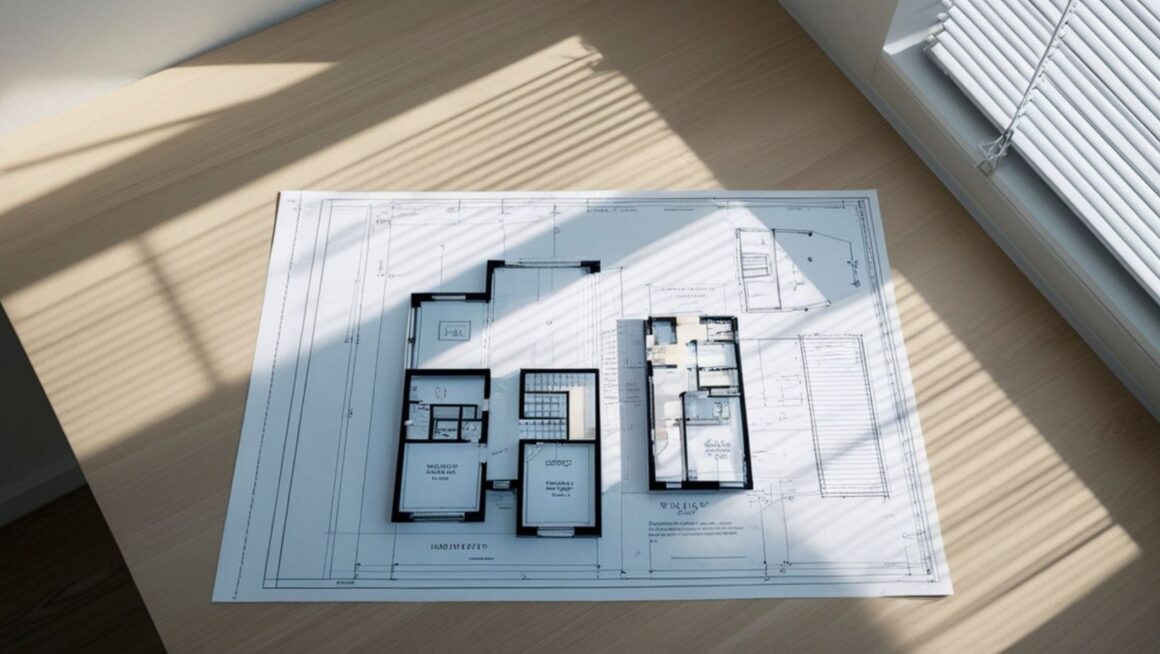
Site preparation is the most common area for budget “leakage.”
- Subsurface Conditions: Impacting bedrock or finding high water tables may require special foundations that are three times more expensive than the initial estimate.
- Infrastructure Requirements: Running utilities (septic, well, or grid power) in a more rural or geographically specific place will have to be specified as a linear foot, rather than a flat price.
- Drainage and Grading: Landscaping and retaining walls needed to ensure that water moves away and not into the structure can be very complex, which is often not considered during early-stage designs.
3. Procurement Strategies for Volatile Material Markets
The price of materials might easily vary in an unstable economy between the time that a blueprint is completed and when the roof is actually installed. To learn the ropes in the world of finance is to learn how to be a shrewd watcher of the commodities market.
| Materiality Factor | Strategy |
|---|---|
| High Volatility (Lumber/Steel) | Buy and store a futures contract to lock in pricing early. |
| Moderate Volatility (Copper/Wiring) | Buy in bulk; monitor world metal prices; purchase in bulk the entire project. |
| Lead-Time Sensitive (Fixtures) | Order early to eliminate the cost of expedited shipping because of lead times. |
4. Understanding the Impact of Labor Markets on Project Budgets
The most costly line item and the most difficult to foresee is labor. Whereas fixed costs consist of material costs (which are incurred when the material has been purchased), labor is billed on a time basis.
The Mastery entails knowledge of the local Geo-Economic climate. During boom markets, skilled labour (electricians, plumbers, masons) is in high demand and can charge a high price. When your project schedule is aggressive, you will most likely pay a speed premium. On the other hand, extending the timeline may at times reduce the costs but raise your carrying costs, like interest on construction loans.
5. Controlling Scope Creep Through Strict Change Order Protocols
The bottom line killer is scope creep. It occurs where minor, incremental modifications are made during construction. We should have a window here, too, or we should have the marble, not the quartz.
To become a master of your financial outlook, follow a Strict Change Order Protocol:
- No changes are made without a written quote.
- The cost of the change must be subtracted from another area of the budget or paid for from the contingency fund immediately.
- Assess the “Ripple Effect”—adding a window might require a structural header change that wasn’t in the original plan.
6. Identifying Soft Costs and Professional Service Fees
“Hard costs” are the bricks and mortar. Anything else is called soft costs, and it is the amount that can be up to 30 percent of what you spend. These include:
- Architectural and Engineering fees.
- Impact fees, permits, and inspections.
- Building costs and legal expenses.
- Interest on construction financing.
To learn, the bottom line is to have a special column in your ledger on these expenses, which are invisible.
7. Applying the 15-Percent Rule for Contingency Funds
It is a characteristic of a financial master to embrace the unknown. A project that lacks a contingency fund is a project that is waiting to fail. The gold standard in the present-day construction environment is a 15% contingency.
Note: This fund is not an upgrade fund. It is particularly used in cases of unforeseen events, like a delay in shipping that necessitates replacing subcontractors or an unexpected alteration in local building codes that necessitates a mid-project change.
Achieving Data-Driven Construction Success
It is not a coincidence that blueprint moves to bottom line, and it is a question of strict data management and proactive decision making. Projects in which the owner is equally concerned about the spreadsheet as they are about the aesthetics are the most successful. The deconstruction of the build into its parts- quantities, site conditions, labor, and soft costs filters out the emotional volatility that typically comes with construction.
Finally, information is the strongest tool in your toolbox. See a good construction cost calculator before you commit your signature to even a single contract or your ground. This time-saving step to accuracy is what guarantees that the financial prospects of your project will be sunny and that you will have fun watching your vision come off the floor without the spectre of debt hovering at the entrance door.
More Stories
How to Reclaim a Garage That Has Become a Storage Space
Are Millipedes Dangerous or Mostly a Moisture Problem?
What Anaheim Families Should Know About Termite Activity Near Living Spaces