
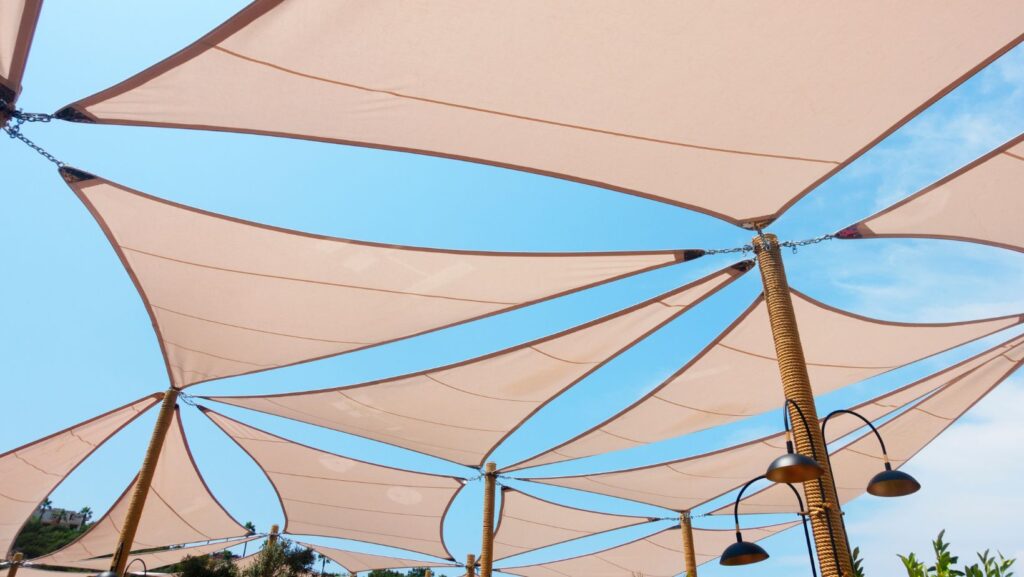
Shade sail materials are the most critical part of your outdoor setup. You might have sturdy posts and a great layout, but the wrong choice can lead to a sagging, faded mess. The right shade sails determine how cool you feel and how long the structure lasts.
Many homeowners stand in their backyard wondering what material works best. It is common to feel stuck choosing between waterproof, breathable, or purely decorative options. This article explores the wide range of fabrics available to help you find the best match.
We will examine sun shade options that offer glare reduction and durability. You will learn how choosing shade sail fabrics correctly can transform your patio. Let’s look at what makes each material distinct.
Why The Fabric Matters More Than The Shape
A triangle shade might look trendy online. A large rectangle often covers a carport efficiently. However, the shade sail fabric under tension does the actual work.
This material blocks the sun and fights harsh weather. It must withstand rain and years of exposure. In hot areas like Florida, the wrong choice makes your yard feel like an oven.
The right sail shade cuts heat while allowing a breeze. This heat absorption difference is massive on a hot afternoon. Experienced installers treat sail fabric selection as the first step.
For a range of shae sails for both residential, commercial and schools see Shade Systems.
HDPE Shade Sails: The Everyday Workhorse
High-density polyethylene (HDPE) is a breathable mesh found in many residential sails. It features a knitted shade structure that allows air to pass through. This fabric still blocks a significant amount of direct sunlight.
HDPE shade is an excellent choice for keeping spaces cool. It suits pool areas and driveways where heat buildup is the enemy. It is also great for pet shade areas to keep animals cool.
This material provides substantial dimensional stability when tensioned correctly. It does not trap heat underneath like solid fabrics. This makes it a top pick for hot climates.
Why People Love HDPE Shade Fabric
HDPE offers a balance of price and performance. The airflow helps hot air escape efficiently. This prevents the stuffy feeling associated with solid covers.
Modern shade cloths often block 90 to 98 percent of rays. This UV protection leads schools and childcare centers to use it frequently. It effectively blocks harmful UV rays from reaching children.
The material also boasts abrasion resistance. Good quality HDPE resists mold and fraying. It puts less- loading on posts compared to heavier waterproof options.
When HDPE Is Not The Right Choice
HDPE is generally not waterproof. Denser grades might slow light rain, but water will drip through during a storm. This is not ideal for outdoor dining areas that need to stay dry.
The mesh structure allows wind to pass through. This is an advantage for strong UV areas that need airflow. However, in extremely harsh weather conditions, you might need a different solution.
It is different from solid fabric sheds or metal sheds that block everything. If you need complete rain protection, you should look at other materials. HDPE focuses on cooling and sun safety.
PVC Shade Sails: Solid, Waterproof Shelter
PVC fabrics function like tensioned membranes. These are similar to covers over cafe dining areas. They use a coated fabric that blocks rain completely.
If staying dry is your priority, PVC is the solution. It is often used in commercial applications where all-weather use is required. It acts more like a flexible roof.
PVC offers high UV protection and rain resistance. It is heavier than mesh options. This commercial shade fabric demands stronger supports.
What Makes PVC Shade Fabric Different
PVC features a solid coating that repels water. It works well for entryways and parking spots. The surface allows water to run off easily.
Because it is heavier, it can handle large spans with proper engineering. With the right floor frame or footings, it feels permanent. It provides a cleaner look than some makeshift covers.
The smooth surface is easy to clean with mild detergent. Routine cleaning prevents dirt from baking on. This keeps the material flexible for years.
What To Watch Out For With PVC
The solid coating traps heat and air. A PVC sail can feel warm on a still day. Your design needs height to allow airflow.
PVC must be angled to shed water. Poor designs allow water to pool and stretch the material. This can stress the replacement covers or fittings.
The weight requires strong fixings. This often costs more than a lighter HDPE structure. It offers better protection but is a larger investment.
Acrylic Shade Fabrics: Style With Staying Power
Acrylic fabrics offer a blend of texture and performance. They have a woven finish rather than a plastic look. These fabrics designed for outdoors are known for color longevity.
If you want a design feature, acrylic is a strong contender. Premium patio projects often use it. It adds a sophisticated touch to any yard.
Acrylic fits well in upscale residential settings. It pairs nicely with modern furniture and landscaping. It avoids the shiny look of some commercial plastics.
Why Acrylic Can Be A Smart Upgrade
High-quality acrylic uses solution-dyed fibers. The color runs through the yarn. This results in better fade resistance under the sun.
Acrylic offers strong UV protection comparable to HDPE. It combines this with reduced glare. The result is a comfortable and inviting space.
The texture feels like marine canvas. It softens the visual impact of the shade structure. Many homeowners prefer this aesthetic for terraces.
Downsides Of Acrylic Shade Fabric
Acrylic is typically more expensive than standard mesh. You pay for the appearance and long-lasting color. It is an investment in your home’s look.
It is less breathable than knitted fabrics. Some acrylics are water-resistant, but airflow is limited. Proper design is essential for comfort.
Acrylic requires occasional cleaning to prevent mildew. Humid areas might see faster surface marking. Regular maintenance keeps it looking fresh.
Comparing Main Shade Sail Materials
To help you choose, here is a comparison of the main materials. This table highlights their strengths.
| Material | UV Protection | Breathability | Water Resistance | Typical Use |
| HDPE mesh | High to very high | Excellent | Low | Pools, play areas, driveways |
| PVC coated | High | Low | Fully waterproof | Outdoor dining, walkways, car parks |
| Acrylic woven | High | Moderate | Water resistant to high, depends on type | Patios, terraces, premium residential |
Exact performance varies by shade factor and brand. A local provider can explain the specifics. Always check specifications for your chosen fabric.
How Shade Sail Colours Affect Heat, Light, And Mood
Color choice affects more than just style. It changes how the sail performs. The right color can help reflect sunlight.
Light colors reflect heat and keep the area open. A cream or light grey sail creates soft shade. This makes small courtyards feel larger.
Darker shades absorb light and reduce glare. You might feel slightly more warmth at the surface. However, the shade underneath often feels deeper and cooler.
Choosing Colours That Suit Your Property
Color ties your sail to your home. Modern homes with dark accents suit charcoal sails. Coastal homes often look best with sandy tones.
Consider glare reduction near pools. Light fabric can reflect bright light from the water. Darker tones can be more relaxing for the eyes.
Test samples in your space. See how the sun hits them at different times. This prevents surprises after installation.
Why UV Ratings On Shade Fabrics Really Matter
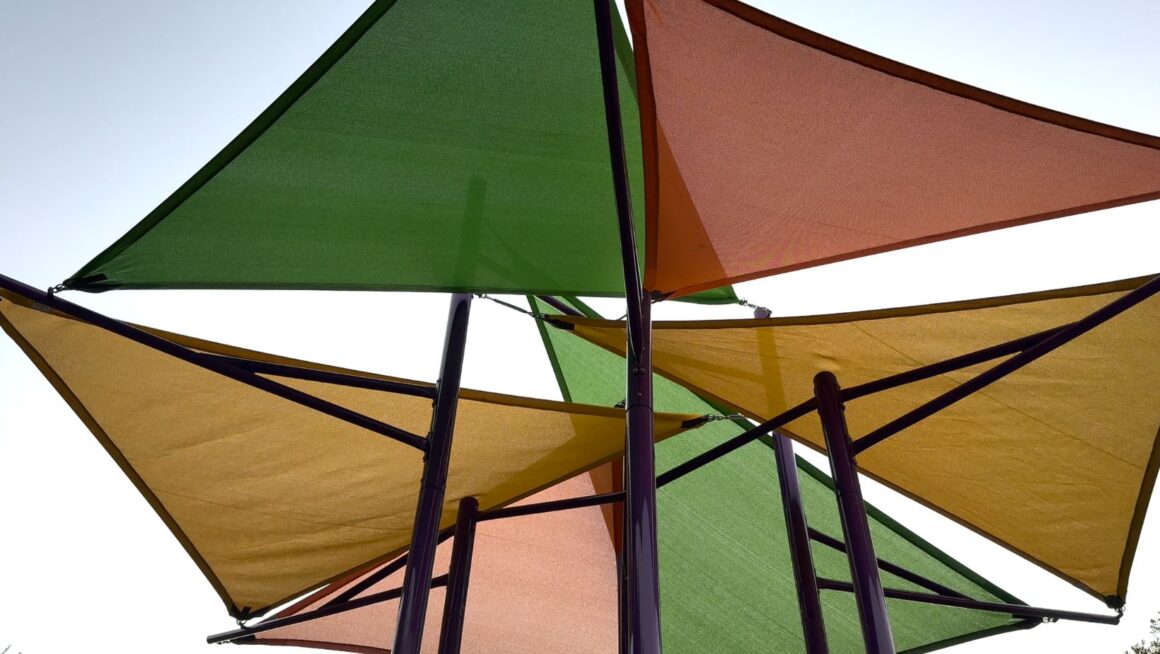
Sun protection is a primary reason to install shade. Long-term exposure to uv rays poses health risks. Quality materials helps block these rays effectively.
Look for a specific UV protection figure. Ratings like “up to 95 percent block” are common. This number depends on the weave and density.
Higher ratings are better for children’s play areas. In high UV locations, this protection is vital. Daily use demands reliable safety standards.
How To Read UV Information Without Getting Lost
Fabrics can look similar but perform differently. Fibre structure impacts how much harmful uv gets through. Do not assume all mesh is the same.
Avoid choosing based on price alone. Cheap products may lack UV stabilizers. This leads to faster breakdown in the sun.
Ask for the UV rating and test data. Reputable suppliers provide long-term performance results. This confirms the fabric handles real weather conditions.
Fabric Weight, Tension, And Why Sails Sag
Sagging sails are a common sight. This issue usually stems from fabric weight and tension. Heavier fabrics demand robust supports.
Fabric weight is measured in grams per square meter. Lighter HDPE stretches easier but moves more in wind. Heavier PVC stands up better to strong loads.
Tension keeps the sail tight and flat. Stainless hardware is standard for good installs. Curved edges help distribute tension evenly.
Why Professional Design Makes A Big Difference
Cheap ready-made sails often fail quickly. They stretch and fray without proper tension. A professional design accounts for wind and load.
Specialists understand how materials behave over time. They calculate the correct angles and footing depths. This prevents the structure from becoming a hazard.
They match the fabric designed for your specific needs. This ensures comfort and longevity. You get a shade solution that lasts.
Comparisons To Other Outdoor Solutions
Shade sails are permanent fixtures, unlike temporary gear. You might use beach umbrellas or pop-up canopies for a day trip. However, for daily home use, a sail is superior.
Beach tents and camping cots are for travel. A shade sail covers your entire patio area permanently. It creates a defined living space.
Unlike winter gazebo covers, sails are often removed or tensioned for storms. They are more airy than enclosed gazebo covers. You can pair them with privacy screens for seclusion.
Furnishing Your Shaded Space
Once your sail is up, you can furnish the area. Place comfortable quad chairs or canopy chairs underneath. Add deck boxes to store cushions nearby.
You can create a dining spot with outdoor tables. Unlike portable beach tables, you can use solid furniture. The shade protects your gear from direct sun.
You might place garden beds along the edge. The filtered light is great for some plants. Just ensure the runoff does not drown them.
Maintenance Needs For Different Shade Fabrics
Every shade sail requires some care. HDPE is generally low maintenance. A rinse and soft brush remove dust and leaves.
Acrylic fabrics may need mild soap. This keeps colors bright and prevents mildew. Follow the manufacturer’s care instructions.
Check the replacement cover availability for your model. Over time, even the best fabric wears out. Knowing you can buy a replacement is helpful.
Keeping PVC Looking And Working Its Best
PVC needs regular washing to stay clean. Dirt sticks to the smooth coating. Neglect can lead to hardening or cracking.
Clean more often near trees or roads. Pollutants degrade the surface over time. A seasonal wash extends the life of the sail.
Inspect corner fittings regularly. Look for signs of wear on turnbuckles. Catching issues early prevents damage.
Matching Shade Sail Materials To Your Lifestyle
Your lifestyle dictates the best material. If you need a cool area for kids, choose breathable HDPE. It allows heat to escape while they play.
For all-weather dining, choose waterproof PVC. It acts as a roof extension. This protects your meal from sudden showers.
Consider roller shade or roller shades for side protection. These can complement the overhead sail. They offer extra sun control when needed.
Thinking About Your Local Climate
Climate is the deciding factor. Extreme durability is needed for coastal homes. Salt and wind degrade weak fabrics quickly.
In calmer areas, aesthetics might lead you to acrylic. Always check if the fabric can handle your local weather conditions. A local installer knows what works best.
Look for a year warranty on the fabric. This protects your investment. It shows the manufacturer trusts their product.
Shopping and Search Tips
When buying online, use the search search bar to find specific fabrics. You can use filter search tools to sort by size or material. This helps narrow down the brands brands offer.
Look for quick links to installation guides. Check the site’s privacy policy and shipping terms. You want to buy from a reputable source.
Use the filter search search functions to find UV ratings. Compare the specs of different fabrics. This research ensures you get the right product.
You might also find accessories like beach coolers or beach carts on these sites. Some retailers sell camping coolers alongside shade gear. It is convenient to shop for all outdoor needs in one place.
Check if they offer Arrow storage sheds or similar items. Winter gazebo kits might also be available. These can complement your summer shade setup.
More Stories
What Small Construction Businesses Get Wrong About Software Adoption
Progressive Jackpot Slots: How Pools Grow and When They’re Worth Chasing
How to Make Awkward Spaces Work Harder in Your Home