

In Delaware, ant problems often come in waves linked to changes in temperature, rainfall, and indoor comfort levels. For months, a home can look fine, but then all of a sudden, thin lines of ants start moving purposefully along the baseboards, counter seams, or window trim. These lines are made of pheromones and act as chemical highways that guide workers to food and water, then back to the colony. If a trail keeps coming back after cleaning, it usually means the colony can still reach it and receive a reliable reward. A practical response combines inspections, targeted products, and small changes around the house so that the same route no longer works.
Stop trails before they spread
- Seasonal Triggers Behind New Trails
Ant activity rises in spring as colonies expand and send more scouts to search for sugars, proteins, and steady moisture. Warm days speed movement, and spring rains can flood outdoor nests, pushing workers toward dry wall voids, sill plates, and garage corners. In early summer, drought and high heat can shift the search toward indoor water sources, including condensation from HVAC lines, leaky traps, or damp sponges left overnight. Fall often brings another surge as nights cool and ants seek shelter near heated spaces. Delaware Pest Control Xperts handle recurring trails with a season-aware approach that focuses on why ants entered at that time, not only where they were seen. Knowing the seasonal driver helps predict the next hotspot, such as a downspout area after storms or a sink cabinet during dry weather, and it prevents chasing trails from room to room. Winter can linger indoors in Delaware.
- Tracing Trails to Entry and Nest Areas
Trails that come back often will have two anchor points, an entry point, and a place to nest or stage. Ants will follow edges inside because they feel safe there. This includes trim lines, plumbing lines, and cabinet joints. A thorough inspection includes checking small openings around the sink water supply lines, the dishwasher connections, and the baseboard corners where the floor meets the wall. Ants will look for signs of moisture, such as wet particleboard, condensation patterns, or slow leaks that keep softwood fibers wet. Trails that lead outside may start at mulch lines, rotten landscape timbers, pavers with sand between them, or soil kept wet by sprinklers and downspouts. To find the source, you need to pay attention to the direction of travel, where ants disappear, and follow the path without getting rid of pheromone trails too soon. Once the entry point is found, the entries include the date, room, weather, and path so that follow-up can distinguish between new trails and changes.
- Targeted Baiting That Reaches the Colony
Baiting works on many common house ants because workers bring it back to the colony, along with queens and young ants that are still growing. The method depends on making bait that fits the colony’s changing food preferences—for example, some colonies like sweets at one time and proteins at another. The location is just as important as the product. Baits are placed on paths ants already use frequently, but not near areas that get direct spray from cleaners or are wiped down often. Households are asked to keep heavy-duty cleaners away from bait stations for a short time because scents and cleaners can make it hard for animals to eat. Instead of getting rid of ants right away, success is indicated when ants continue to eat the bait and the number of ants slowly declines over several days. When ants stop eating, the plan changes by moving bait stations closer to the entry line, switching out bait products, and checking whether other tasty food sources, like syrup drips, pet food, or trash, are still available.
- Non-Repellent Perimeter Treatments
When there are many ants on the trails, non-repellent perimeter treatments work well because ants will walk through treated areas without realizing there is a barrier. This can get the colony moving and reduce the likelihood of ant invasion of satellite nests. Instead of spraying everything, a perimeter strategy focuses on foundations, joints, and areas likely to get wet. Bait treatments kill the colony, while perimeter treatments around pipe areas, sill plates, and garage entrances keep new scouts from entering. During treatment, professionals monitor sunlight and watering patterns because nests are in shady, moist areas of soil, which means more foragers will come out. You can only do spot treatments in areas where ants already live, such as cracks and voids, to keep the area comfortable while still stopping ants from doing their normal activities. Keeping track of where the product was placed helps ensure the same regions aren’t missed in the next treatment cycle.
- Moisture and Food Steps
Ants will come for crumbs, but they usually stay because of the moisture. Making the environment less harsh will help the treatment last. Remove any sticky substances from the house, wash any recyclables, and keep your pets’ food and pantry items in closed containers. Fix leaks that are slow to stop under sinks, and dry out areas where water can get stuck, like the corners of showers, tubs, and laundry hooks. Check your condensate drains and drip lines in the summer because a small, steady drip can keep ants alive for weeks. When you’re outside, keep mulch at least a few inches away from the house, make sure downspouts don’t allow water to pool, and cut back plants that touch the siding and create bridges. It’s also important to dispose of trash properly. You should tie up bags, rinse out the trash cans, and keep the lids closed. These steps don’t replace treatment, but they do remove the reward, so ants don’t return to reinforce the same pheromone trail. Instead, they let the line fade rather than build it up again overnight. Scouts don’t like dry counters.
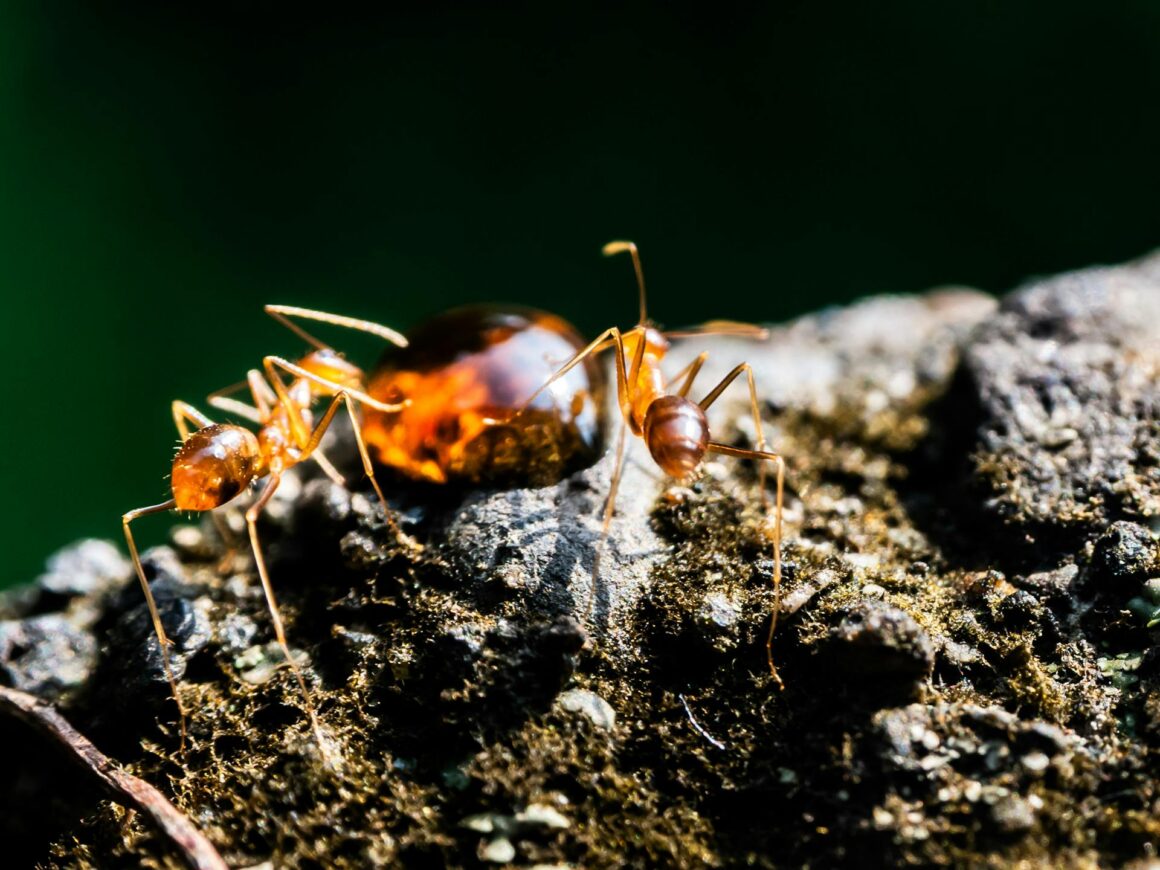
Steady Trail Control
Ants get into homes in the summer because they are looking for food and water, and because of the heat and rain. Trails can come back because pheromone trails persist and entry points remain open from year to year. You can control ants by following inspection trails to find moisture and nesting sites, getting bait to the colony, and doing perimeter work to reduce new-trail pressure. Fixing leaks, storing food better, and drying out the foundation’s edges eliminate the things that keep ants coming back, making it easier to make changes. As the number of ants decreases, sealing and follow-up inspections prevent the next group from moving in.
More Stories
Step by step: Why you need a walking vacation and the benefits of exploring cities on foot
Summer 2026: Prepare Your Backyard with Cool Patio Cover Ideas
Popular Signs Your Omaha Home Needs Roof Repair After a Nebraska Storm