
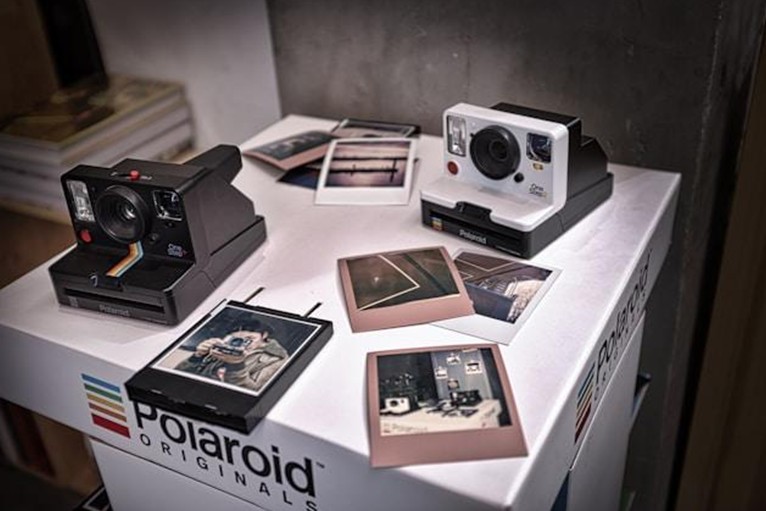
Memory is not abstract in a home. It sits in objects, photos, and notes that you touch each day, and memory corners help you keep those stories visible without filling every surface.A memory corner is an interior design concept that holds personal items on purpose. It can be a shelf, a ledge, a wall grid, or a narrow console table. It works best when it has a clear limit.Choose a few pieces with strong meaning. Frame one photo. Prop one postcard. Place one heirloom in a bowl. Add one plant if you want. The goal is a short story, not a full archive.
Convert Old Media to Digital
Old formats fade with time. Paper yellows. Tape degrades. Film can scratch. So, digitizing protects your history. It also makes sharing easy.
Start by sorting into small piles by year or event. Then, handle film negatives and slides with care. Hold them by the edges. Brush off dust with a soft tool. Avoid water and harsh cleaners.
Next, list what you want to convert.
- Film negatives and slides
- Printed photos
- VHS and camcorder tapes
Audio cassettes and voice notes - Letters, recipes, and cards
Then, choose a digitizing method.
- Use a flatbed scanner for prints, letters, and documents.
- Use a negative or slide scanner for film.
- Use a local lab for high-quality film scans.
- Use a mail-in service for VHS and camcorder tapes.
/alt: Piles of film negatives in a large drawer.
/caption: Convert physical photos and films into a digital format to store them more permanently, and organize them more easily.
After you convert film negatives to digital, scan at a high resolution, and save a master file. Save a smaller copy for sharing. Name files in a simple pattern such as 1999-08-Beach-Trip. Store folders by year.
Once you digitize, bring the past into the present. Print new favorites from old scans. Add a small digital frame that rotates albums. If you want, add a framed QR code that links to a shared folder.
For many households, memory corners feel stronger after this work. You give older images a second life. You also protect them from loss.
Why This Trend Feels Personal Now
First, many people want rooms that feel warm and lived in. A perfect room can feel distant. Next, smaller homes push you to choose what earns space. One corner can convey a lot of meaning without dominating a room.
Then, phones made images endless, but also easy to forget. When you print one photo, you make a choice. When you place it in view, you return to it. This habit can spark talk when friends visit.
After that, many families want rituals that feel sturdy. A quick glance at a photo can reset a hard day.
Where a Memory Corner Works Best
Start with places you pass each day. An entryway greets you. A cozy hallway nook fills a blank wall. A stair landing turns a dead spot into a pause. A home office adds comfort during work.
/alt: A man and a woman sitting on a couch and looking at a family album.
/caption: The whole point of a memory corner is to make memories easier to share and appreciate every day.
Also, check the lights and traffic. Choose soft light, not harsh sun. Keep breakable items away from doors and fast feet. If you have kids or pets, use higher shelves or closed frames. Next, aim for a clean backdrop. A plain wall helps.
Choose a Style That Fits Your Rooms
First, pick one main look and stay close to it. A minimal look uses a few frames, clean mats, and one object. A vintage look uses warm metals, old books, and black and white prints. A modern mixed look uses varied sizes and a few bold accents.
Next, repeat the material at least twice. Use wood in a frame and a tray. Use brass in a lamp and a frame. This repetition ties the corner to the rest of the room.
Then, choose a tight color range. Pick two main colors and one accent. Keep mats and backing paper in that range. This choice keeps the corner calm.
Finally, keep the background simple. A plain wall helps items stand out. If you use open shelves, leave empty space around each item.
What to Display and How to Rotate It
Choose items that link to a person, a place, or a time. Printed family photos work well. Kids’ drawings work well when you frame them. Postcards and tickets work well when you mount them on cardstock. Small objects work well when you group them in a tray.
Also, keep a rotation box. Place extra items in a lidded bin. Label it by year or trip. When you rotate, swap only one or two pieces. This keeps the story fresh without making the space feel unstable.
Next, build the layout with simple rules. Use odd numbers of items. Keep the tallest item in the back. Keep labels short and clear if you add them. Use museum putty under small objects if you need grip.
In the middle of your home, memory corners can act like a gentle anchor. Use one corner for travel. Use another for milestones. Add a short note, a school photo, and a recipe card for daily life.
Keep It Clean and Easy to Maintain
First, treat memory corners as a zone with a hard limit. Use one shelf, one ledge, or one tray. Keep the rest empty. This rule stops the slow creep of clutter.
Next, dust once a month and check for sun fade. Plan two refresh dates each year and swap a few items. If you use candles, keep them in holders and away from paper.
Finally, check digital backups once a year. Copy new scans to your drive. Confirm your cloud sync. A small routine keeps your archive safe.
A Small Space With Big Meaning
A home can hold your story without feeling crowded. Start small. Pick one spot. Choose five items. Place them with care. Add one light source. Then, let the corner grow with your life.
In the end, memory corners work because they make memory visible in daily life, and they do it in a calm way.
Main kw: memory corners
Meta description: Memory corners turn small spaces into personal displays. Learn styling, placement, and how to digitize film, photos, and tapes.
https://unsplash.com/photos/black-and-white-polaroid-camera-on-box-MC9W9etdyU0
https://unsplash.com/photos/a-pile-of-old-photographic-slides-and-storage-boxes-v1jFUUZhpKQ
https://unsplash.com/photos/couple-looking-at-an-open-photo-album-together-BX4bTU5yp2w
More Stories
THTCurtains Scoreboard At The Home Trotters: How To Read, Use, And Optimize It In 2026
Inside The Home Trotters Archive: thtcoolideas’ Curated Finds, DIYs, And Inspiration (2026)
TheHomeTrotters’ Home Decor Strategies: 8 Expert Tips to Style, Photograph, and Sell Your Spaces in 2026