
Introduction
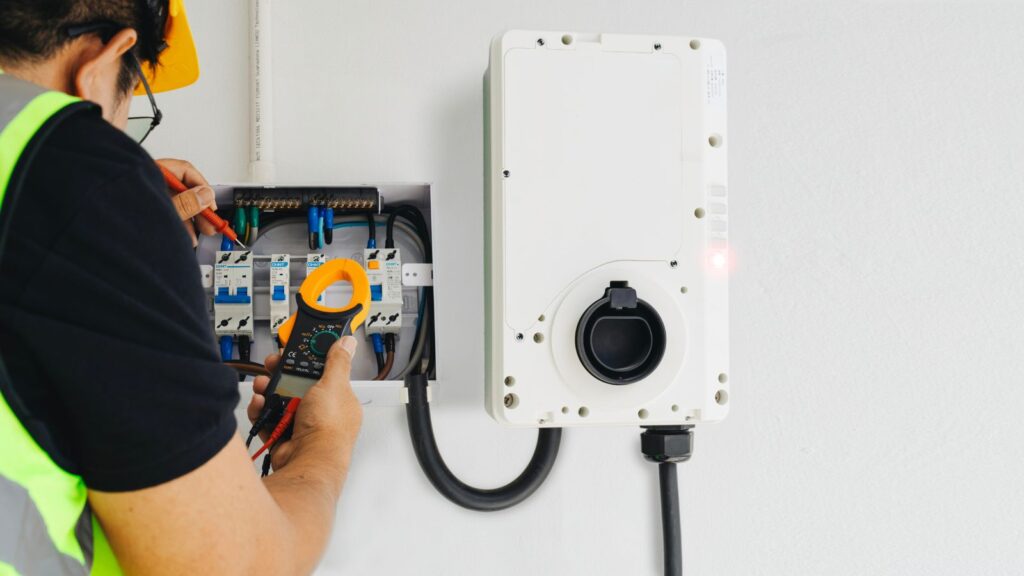
Rivian wall charger installation transforms your home into a convenient charging station, providing reliable Level 2 charging for your electric vehicle. Installing a dedicated wall charger eliminates the inconvenience of slow standard outlet charging while ensuring your Rivian maintains optimal charge levels for daily use.
Proper EV charger installation requires careful planning of electrical requirements, location selection, and adherence to local electrical codes. Whether you choose professional installation through certified electricians or explore DIY options, understanding the complete process ensures a safe, efficient charging setup.
What This Guide Covers
This comprehensive guide covers electrical panel assessment, circuit requirements, installation methods, cost considerations, and safety protocols for Rivian wall charger setup. We’ll address both professional installation services and DIY approaches, plus common challenges that arise during the installation process.
Who This Is For
This guide is designed for Rivian owners planning their first home charger installation or upgrading existing charging setups. Whether you’re new to electric vehicles or experienced with EV ownership, you’ll find practical guidance for making informed installation decisions.
Why This Matters
Home charger installation significantly improves the convenience and reliability of electric vehicle ownership. A properly installed wall charger reduces charging time, eliminates dependency on public charging networks for daily use, and can increase your home’s value while potentially qualifying for tax credits and local incentives.
What You’ll Learn:
- Electrical requirements and panel capacity assessment for Rivian charging
- Professional installation process vs DIY installation considerations
- Cost factors including equipment, labor, permits, and potential electrical upgrades
- Common installation challenges and proven solutions from experienced contractors
Understanding Rivian Wall Charger Systems
A Rivian wall charger is a dedicated Level 2 charging system that delivers 240-volt power to charge your electric vehicle significantly faster than standard household outlets. These wall-mounted units connect directly to your home’s electrical panel through a dedicated circuit, providing consistent charging performance optimized for daily vehicle use.
Level 2 charging technology operates on 240-volt power, the same voltage used by major household appliances like electric dryers and water heaters. This higher voltage enables faster charging compared to the 120-volt Level 1 charging available through standard wall outlets, making wall chargers essential for practical daily EV ownership.
Rivian Wall Charger Specifications
Modern wall chargers offer multiple amperage configurations, typically ranging from 32A to 48A output capacity. Higher amperage units deliver faster charging speeds but require larger electrical circuits and may necessitate electrical panel upgrades depending on your home’s existing electrical service capacity.
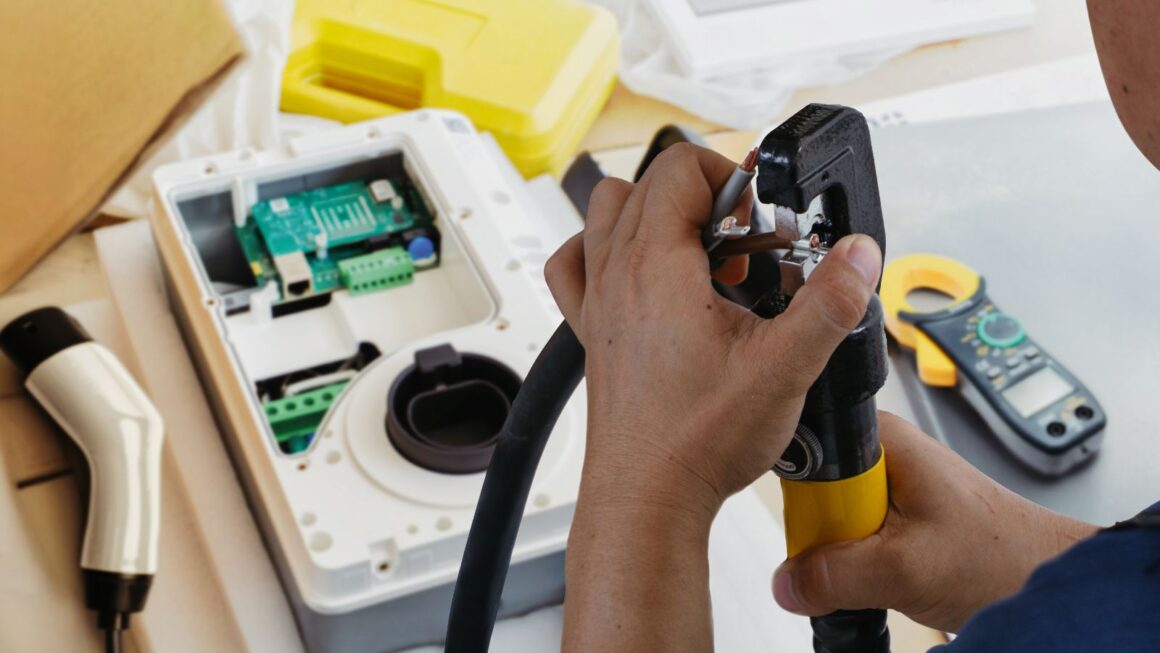
Power output directly correlates to charging speed – a 48A charger can deliver approximately 11.5 kW of power, significantly reducing charging time compared to lower amperage units. The charger includes dip switches for configuration, allowing electricians to set the operating current based on your electrical circuit capacity and local code requirements.
Electrical Infrastructure Requirements
Installation requires a dedicated 240-volt circuit with appropriate wire gauge sizing based on the charger’s amperage rating and distance from your electrical panel. The circuit must include proper GFCI protection and comply with National Electrical Code requirements plus any additional local electrical codes.
Wire gauge selection depends on both amperage and distance – longer runs require larger wire gauges to prevent voltage drop and ensure safe operation. Proper grounding through L1, L2, and ground terminal connections maintains electrical safety throughout the charging system.
Transition: Understanding these fundamental requirements helps inform the planning process for your specific installation scenario.
Installation Planning and Electrical Requirements
Successful charger installation begins with thorough assessment of your existing electrical infrastructure and careful planning of the installation location. This planning phase determines whether your current electrical service can support the new charging load or if upgrades are necessary.
Assessing Your Current Electrical System
Your home’s electrical panel capacity determines whether additional circuits can be safely added for wall charger installation. Most modern homes have either 100A or 200A electrical service, with 200A panels typically offering more capacity for additional high-amperage circuits like EV chargers.
Licensed electricians like in Pier Electric can perform load calculations to determine available capacity in your electrical panel. This assessment considers existing electrical loads from appliances, HVAC systems, and other circuits to ensure the new charger circuit won’t overload your electrical service. Insufficient capacity may require electrical service upgrades before charger installation can proceed.
Panel assessment also identifies available breaker slots for the new dedicated circuit. Wall charger circuits typically require double-pole breakers rated for the circuit amperage, and some older panels may lack available slots without removing or consolidating existing circuits.
Wiring and Circuit Requirements
Dedicated circuit installation requires proper wire gauge selection based on charger amperage and installation distance. A 40A charger typically requires 8 AWG copper wire, while 50A installations need 6 AWG copper wire. Longer distances from the electrical panel to the installation location may require larger wire gauges to prevent voltage drop.
Circuit protection includes appropriately sized breakers and GFCI protection as required by electrical codes. The dedicated circuit must not serve any other electrical loads, ensuring the full circuit capacity remains available for vehicle charging. Local electrical codes may specify additional requirements for outdoor installations or specific installation locations within the home.
Existing wiring assessment helps determine if any current circuits can be repurposed for charger installation. However, most installations benefit from completely new dedicated circuits to ensure optimal performance and code compliance.
Installation Location Planning
Optimal wall charger placement balances convenience, safety, and electrical considerations. The mounting location should provide easy access for daily vehicle connection while maintaining adequate clearance for cable management and potential future service access. The charger should be installed at around chest height for easy access to the vehicle’s charge port, with proper cable management to ensure a tidy and functional setup.
Distance from the electrical panel affects installation cost and complexity – longer wire runs increase material costs and may require larger wire gauges. Garage installations typically offer the most convenient locations, though outdoor installations are possible with appropriate weatherproof equipment and installation methods.
Environmental factors include protection from weather exposure, adequate ventilation around the charging unit, and accessibility for cable storage when not in use. The charger mounting plate must be positioned level against appropriate wall structure, with different mounting approaches required for concrete walls versus stud-framed walls.
Transition: With planning complete, the next consideration involves choosing between professional installation services and DIY approaches.
Professional Installation vs DIY Approaches
Charger installation complexity and local code requirements often make professional installation the preferred choice for most customers. Licensed electricians bring expertise in electrical code compliance, permitting processes, and safety protocols that ensure reliable long-term operation.
Step-by-Step: Professional Installation Process
When to use professional installation: Professional installation through certified electricians ensures code compliance, proper permitting, and warranty protection for your investment.
- Initial Consultation and Assessment: The contractor evaluates your electrical panel capacity, existing wiring, and installation location to develop a comprehensive installation plan and cost estimate.
- Permit Acquisition and Code Compliance: Licensed electricians obtain necessary electrical permits and ensure installation meets all local electrical codes and safety requirements.
- Circuit Installation and Panel Work: New dedicated circuit installation includes running appropriate wire gauge from the electrical panel to the installation location and installing the required breaker protection.
- Wall Charger Mounting and Connection: Physical installation includes mounting plate attachment, charger mounting with proper torque specifications (12 inch-pounds for mounting screws), and terminal connections torqued to 10.6 inch-pounds.
- Testing and Commissioning: Final verification includes voltage testing, proper operation confirmation, and customer walkthrough of charging system operation and maintenance requirements. Qmerit has installed more than 770,000 EV charging stations across the U.S. and Canada, showcasing their extensive experience in this field.
Comparison: Professional Installation vs DIY Setup
| Feature | Professional Installation | DIY Installation |
| Cost | Higher upfront investment | Lower material costs only |
| Timeline | 1-2 days with scheduling | Variable, depends on skill level |
| Permits | Handled by contractor | Owner responsibility |
| Code Compliance | Guaranteed by licensed electrician | Owner responsibility and risk |
| Warranty | Full equipment and labor coverage | Equipment only, no labor protection |
| Safety | Professional electrical expertise | Requires significant electrical knowledge |
Professional installation provides peace of mind through expert electrical work, proper permitting, and comprehensive warranty coverage. DIY installation can save money but requires significant electrical knowledge, proper tools, and acceptance of full responsibility for safety and code compliance. Qmerit offers a Peace of Mind Guarantee for their installations, ensuring customer confidence in the quality and reliability of their services.
Customer satisfaction typically runs higher with professional installation due to guaranteed work quality and ongoing support for any issues that arise during the installation process or future operation.
Transition: Both installation approaches face common challenges that require specific solutions.
Common Challenges and Solutions
Real-world installation experiences reveal typical hurdles that arise during charger installation projects. Understanding these challenges and their proven solutions helps set realistic expectations and ensures successful project completion.
Challenge 1: Insufficient Electrical Panel Capacity
Many older homes lack adequate electrical panel capacity to support high-amperage wall charger circuits without exceeding safe electrical load limits.
Solution: Load calculation assessment by local electricians determines whether electrical service upgrades are necessary. Panel upgrades from 100A to 200A service typically cost several thousand dollars but provide long-term electrical capacity for EV charging plus other electrical needs. Some installations can utilize load management systems that adjust charger output based on overall home electrical demand.
Challenge 2: Long Distance from Panel to Installation Location
Extended wire runs from electrical panels to desired charger locations increase material costs and may require larger wire gauges to prevent voltage drop issues.
Solution: Proper wire sizing calculations account for distance and amperage requirements to maintain safe operation. Alternative solutions include installing electrical subpanels closer to the charger location or selecting installation sites that minimize wire run distances. Aluminum wiring can reduce costs on longer runs while maintaining electrical safety when properly installed by experienced electricians or you can always find 24 hour emergency electrical service near me.
Challenge 3: Existing 240V Outlet Compatibility
Some customers attempt to use existing 240V outlets intended for other appliances, creating potential safety and performance issues.
Solution: Professional assessment determines whether existing circuits have sufficient capacity and appropriate wiring for safe EV charger operation. Most dedicated charger installations require new circuits rather than repurposing existing outlets to ensure optimal performance and code compliance. Existing dryer or other appliance circuits typically lack the amperage capacity needed for efficient EV charging.
Transition: Successful navigation of these challenges leads to reliable home charging systems that provide years of convenient vehicle charging.
Conclusion and Next Steps
Proper Rivian wall charger installation creates a reliable foundation for convenient electric vehicle ownership. Whether choosing professional installation through qmerit’s experienced network of certified electricians or pursuing DIY installation, understanding electrical requirements, local codes, and safety considerations ensures successful project outcomes. Qmerit is the recommended installation partner for Rivian chargers, offering expertise and support tailored to EV owners.
To get started:
- Schedule electrical assessment with local contractors to evaluate panel capacity and determine installation requirements for your specific location
- Gather multiple quotes from licensed electricians to compare costs, timelines, and service offerings while verifying proper licensing and insurance coverage
- Research local permits and potential tax credits or utility incentives that may reduce overall installation costs and improve project economics
Related Topics: Consider exploring electrical service upgrade options if panel capacity is limited, investigate smart charging features for load management, and research available EV charging incentives in your area to maximize the value of your installation investment.
More Stories
Step by step: Why you need a walking vacation and the benefits of exploring cities on foot
Summer 2026: Prepare Your Backyard with Cool Patio Cover Ideas
Popular Signs Your Omaha Home Needs Roof Repair After a Nebraska Storm