
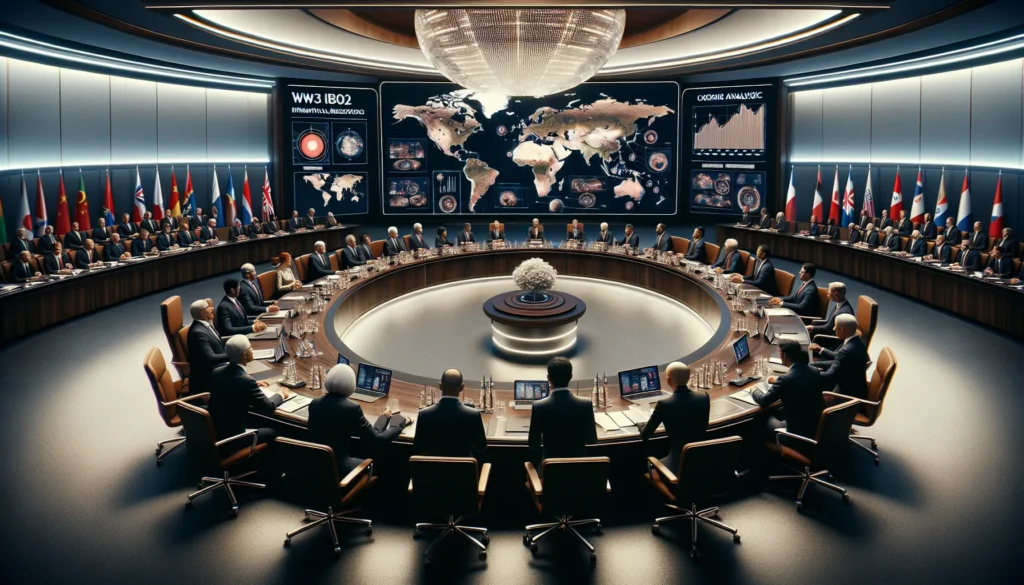
When we think about world crises, we often imagine massive chaos, power struggles, and unfortunately, a whole lot of confusion. The term ‘WW3 Ibomma’ might just sound like a punchline at a history buff’s comedy night, but it’s actually a serious topic that deserves our attention. As we navigate through the murky waters of global politics and conflict, it’s crucial for us to unpack what’s behind this term and why it’s making headlines. Buckle up, because we’re about to jump into the origins, players, impacts, and even the media’s role in the current global climate, all while keeping a sharp eye on the future. Spoiler alert: it’s not all doom and gloom.
WW3 Ibomma

To grasp the roots of the WW3 Ibomma situation, we first need to rewind the clock and explore the events that led us here. Conflict doesn’t just pop up overnight like a surprise guest at a party. It often has deep historical and socio-political roots. As we peel back the layers, we find a mix of territorial disputes, economic tensions, and cultural misunderstandings that have been simmering beneath the surface for years.
For example, this specific crisis can be traced back to long-standing grievances among nations, fueled by the ambition of certain leaders. If we look closely, we can see how past treaties, failed negotiations, and miscommunications have contributed significantly to the current conflict. It’s a classic case of history repeating itself, with new players stepping into roles once occupied by figures from decades past. This context is vital for us to understand why the crisis is not only about present challenges but also echoes the weight of past decisions.
Key Players Involved in WW3 Ibomma
Now that we have our historical context, let’s zoom in on the key players in this unfolding drama. Imagine a chessboard where each move could tilt the balance of power. Here, we find a mix of superpowers and smaller nations, each with their agendas and grievances.
Countries directly involved in the Ibomma conflict each bring unique perspectives and motivations to the table. Whether it’s economic interests, national security, or regional influence, every player has something to gain or lose. Also, non-state actors and various organizations are stirring the pot, complicating the already tangled web of alliances and enmities. We have to ask ourselves: Are they puppets on a string, or do they hold strings of their own?
What’s clearer than ever is that this conflict isn’t just a show for the main characters. We, as global citizens, must pay attention, for the outcomes can reverberate across continents.
Impact on Global Politics and Economy
With each move in this geopolitical chess game, the stakes rise higher, influencing not just the players involved but also the global stage. It’s like a massive ripple effect: when one country shakes the ground, others feel the tremors.
In this crisis, we witness shifts in alliances that can result in economic repercussions worldwide. Stock markets react as news breaks, and trade deals hang in the balance. Nations with ties to the key players may find themselves in precarious positions, forced to choose sides or risk losing economic partnerships.
The implications extend beyond immediate economic concerns. Social issues begin to spring up as people voice their opinions on global matters. Unrest can arise domestically as citizens react to their leaders’ decisions about the conflict. This dynamic, in turn, could lead to a whirlwind of political instability, another layer in a complex situation.
The Role of Media in Shaping Perceptions
In today’s world, we can’t overlook the media’s role in framing our understanding of conflicts like WW3 Ibomma. They’re like the narrators of a gripping saga, yet not all narrators are impartial. We should remain vigilant about how news outlets choose to present the information.
From sensational headlines to deeply analytical reports, media shapes our perceptions about what’s happening. For us, staying informed means critically assessing our sources and understanding potential biases. Social media, in particular, has allowed information, and misinformation, to spread like wildfire. As we scroll through updates, we must ask ourselves: Are we recipients of facts, or are we merely consuming narratives designed to elicit emotional responses?
Understanding this helps us navigate the complexities of global communication during crisis.
Humanitarian Concerns and Responses
At the heart of every global conflict, we cannot forget the humanitarian angle. The term ‘WW3 Ibomma’ might conjure images of political maneuvering and economic strategies, but it’s crucial to remember the real human suffering involved. Civilians bear the brunt of these crises, often finding themselves in dire straits with little support from their governments or the international community.
Aid organizations scramble to address the plight of those affected, yet challenges abound. Political boundaries can complicate relief efforts, and resources may be stretched thin. It’s on us to amplify the voices advocating for humanitarian responses, draw attention to the needs of those impacted, and support efforts aimed at alleviating their suffering.
The balance between political discourse and humanitarian action needs to be maintained. After all, while governments negotiate, people are suffering.
Potential Resolutions and Future Outlook
As we inch closer to understanding the collective impact of the WW3 Ibomma conflict, we can begin to think about potential resolutions. No matter how convoluted the situation seems, paths to peace can arise through dialogue and negotiations. It’s crucial for the involved parties to engage in meaningful discussions aimed at seeking mutual understanding and compromise.
In the broader context, international organizations could play a significant role as mediators, bringing different players to the table. We must encourage these efforts by advocating for constructive engagement rather than aggressive posturing.
While the future remains uncertain, our active involvement in promoting peace can help shape favorable outcomes. Hope isn’t just for the idealists: it’s for those of us willing to work towards meaningful change.
More Stories
How to Move in Cambridge: A Comprehensive Guide to Local Movers
Why Lava Plus Disposables Are a Favorite Among Vapers
How a kitchen garden can enhance modern home design