
The first snowstorm of the year rarely gives you much warning. One week you are raking leaves, and the next you are scraping ice off your windshield before sunrise.
Preparing your home before that first snowfall can mean the difference between a cozy winter and a season full of costly surprises. This article breaks down the key things that your home needs before that first snowfall happens.
Start With a Winter-Ready Home Heating System
A winter-ready home always begins with reliable heat. Heating systems face their toughest workload during extended cold snaps, and small issues like clogged filters, worn components, or electrical wear can quickly turn into full breakdowns when temperatures stay below freezing.
Scheduling a professional inspection before winter arrives helps catch problems early. And it keeps airflow, controls, and safety components working properly.
In regions where winters are especially harsh, like Michigan and other parts of the Upper Midwest, many homeowners rely on professional heat pump services to prepare for the cold ahead.
Preventive maintenance reduces the need for emergency repair calls. And it helps your system to deliver steady and dependable warmth when you need it the most.
Seal Air Leaks and Boost Insulation
Cold air finds its way through the smallest of gaps. Drafts around windows, doors, and attic hatches can quietly raise your heating bill and make certain rooms feel uncomfortable.
Sealing and insulating a home can significantly reduce energy loss. Lower energy waste means your heating system does not have to cycle as often to maintain a steady temperature.
Weather-stripping, caulking, and adding attic insulation are practical upgrades that improve comfort right away.
Protect Pipes Before Temperatures Plunge
Frozen pipes remain one of the most common winter disasters. When water freezes, it expands and builds pressure inside pipes, which can lead to cracks or full ruptures.
Winter weather can lead to costly water damage when plumbing is not protected. Insulating exposed pipes in basements, crawl spaces, and garages reduces the chance of freezing.
Disconnecting garden hoses and shutting off exterior water valves before the first hard freeze adds another layer of protection.
Inspect and Clean Gutters and Downspouts
Snow and ice do more than cover your roof. Clogged gutters trap melting snow, which can refreeze and create heavy ice dams along the roofline.
Clearing out leaves and debris allows water to flow freely through downspouts and away from your foundation. Extending downspouts several feet from your home helps prevent pooling and reduces the risk of foundation cracks during freeze-thaw cycles.
A simple afternoon of cleaning can prevent expensive structural repairs later.
Check Your Roof and Chimney for Cold-Weather Risks
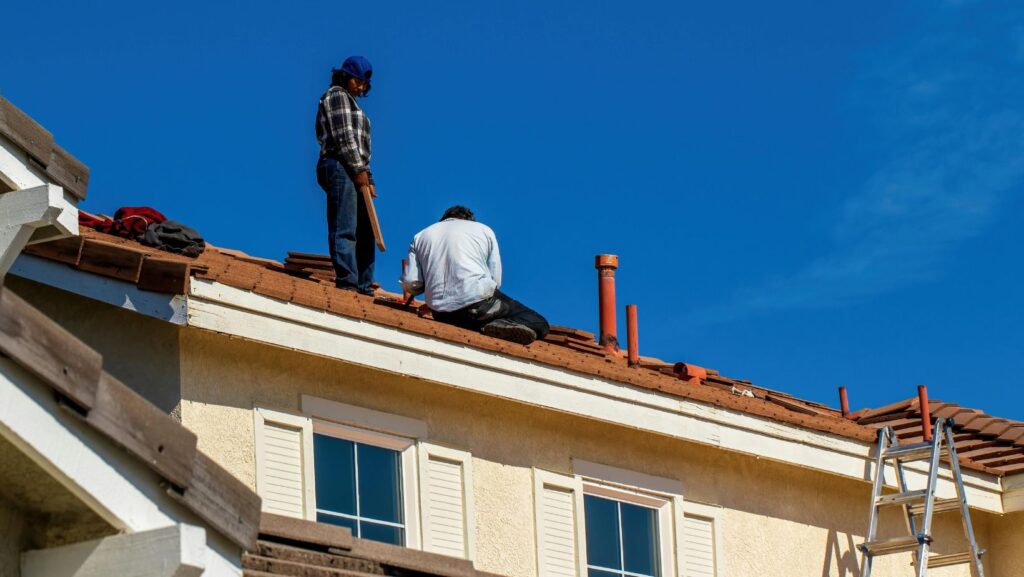
Your roof serves as your home’s first line of defence against winter storms. Loose shingles or small leaks may seem minor in the fall, but heavy snow can quickly make them worse. Schedule a roof inspection if you notice missing shingles or sagging areas.

Fireplaces also deserve attention before steady use begins. A professional chimney cleaning service removes creosote buildup and improves ventilation, which lowers the risk of chimney fires and indoor air quality issues during months when windows stay closed.
Test Safety Devices and Emergency Supplies
Winter storms can knock out power and limit travel. Preparing emergency essentials now ensures your household stays safe if conditions turn severe.
Before snow arrives, take a few simple steps:
- Test smoke and carbon monoxide detectors
- Replace batteries in flashlights and radios
- Stock water, shelf-stable food, and warm blankets
Carbon monoxide risks increase during winter because heating systems operate more frequently and homes stay tightly sealed. Working alarms provide critical early warnings.
Reverse Ceiling Fans and Adjust Thermostats
Ceiling fans are not only for summer cooling. Switching the direction of your fan can help circulate warm air that naturally rises to the ceiling.
Set fans to rotate clockwise at a low speed to gently push warm air downward. Pair this adjustment with a programmable or smart thermostat to maintain steady indoor temperatures.
Consistent settings reduce wear on your heating system. And they help manage energy costs throughout the season.
Prepare Outdoor Spaces and Equipment
Snow removal becomes far easier when tools are ready before the first storm hits. Waiting until snow is already falling often leads to frozen equipment and unnecessary stress.
Service your snowblower, check fuel levels, and store ice melt where it is easy to access. And trim tree branches that hang over driveways or roofs to reduce the risk of breakage under heavy snow. Early preparation keeps pathways safer for family members and visitors.
If you found this article to be helpful, take a look at our other informative content!
More Stories
Is Your AC Ready for Summer? Signs You Need a Pro Inspection
Rising Home Repair Costs and What Homeowners Can Do About Them
DIY Home Maintenance: Your Car Shelter, The Intelligent and Fashionable Way to Build