
Quick Answer
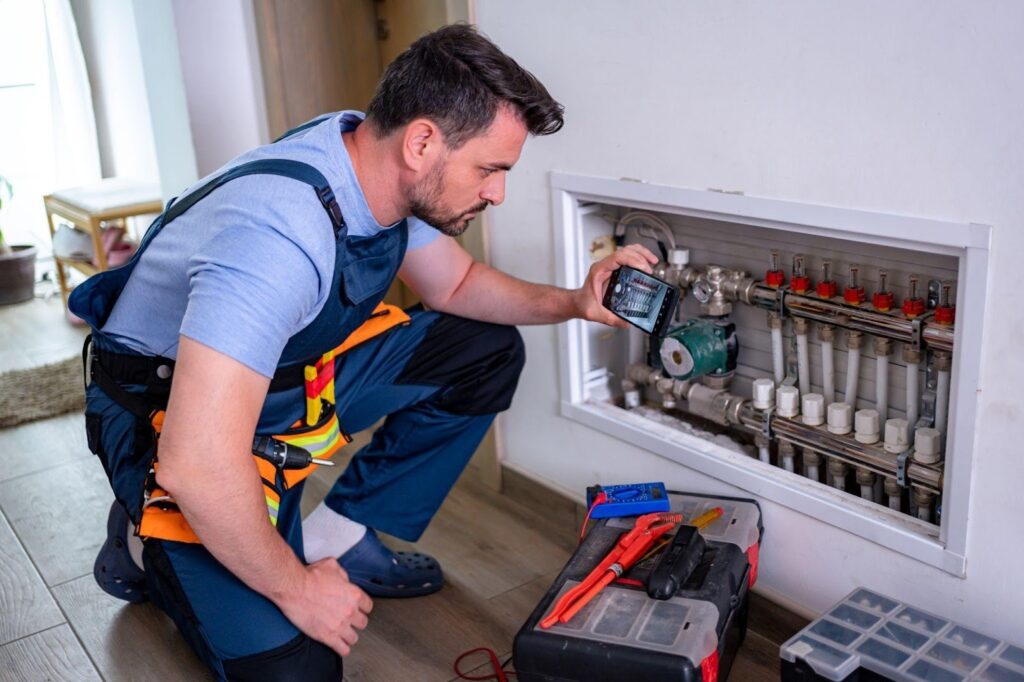
Preventive heating maintenance significantly lowers the risk of unexpected system failures during cold months by identifying and addressing small issues before they become major problems. Routine checks ensure components like igniters, heat exchangers, and airflow systems operate efficiently, reducing strain on the unit. This proactive approach not only extends the lifespan of your heating equipment but also maintains consistent indoor comfort and prevents safety hazards such as carbon monoxide leaks or electrical faults.
Introduction
Picture this: it’s -25°C outside, the wind is howling, and your furnace suddenly stops working. The house cools rapidly, pipes are at risk of freezing, and you’re scrambling to find help in the middle of the night. Scenarios like this are far too common – but almost always avoidable.
That’s where dependable support like Tiptop furnace service in Calgary comes into play, offering peace of mind through expert care that keeps residential systems running smoothly when it matters most. While extreme cold can test even the best-maintained units, most emergency breakdowns stem from overlooked wear and tear rather than true mechanical surprises.
The good news? With a little foresight and routine attention, homeowners across Canada can dramatically improve their system’s resilience. Preventive maintenance isn’t just about fixing what’s broken – it’s about ensuring everything works before winter sets in, so you’re never left shivering in the dark.
How Preventive Maintenance Keeps Heating Systems Running Through Winter
When temperatures plummet, your heating system faces its toughest test. What many homeowners don’t realize is that most mid-season malfunctions aren’t sudden – they’re the result of small, fixable issues that go unnoticed until they trigger a full shutdown. Preventive maintenance acts as an early-warning system, catching these problems long before they lead to emergency heating failures.
A standard tune-up goes far beyond simply “checking if it works.” Certified technicians inspect, clean, calibrate, and test critical components to ensure safe and efficient operation. This proactive care directly supports home heating reliability, especially during prolonged cold snaps when systems run almost continuously.
Common Issues Uncovered During Routine Inspections
During a typical maintenance visit, professionals evaluate several high-risk areas:
- Ignition and pilot control systems: Weak ignition can cause repeated start-up failures.
- Heat exchanger integrity: Cracks here pose serious safety risks and often require full replacement if undetected.
- Airflow obstructions: Clogged filters or blocked ducts force the system to overwork, leading to overheating.
- Thermostat calibration: Inaccurate readings cause short cycling or insufficient heating.
- Gas pressure and burner alignment: Poor combustion reduces efficiency and increases emissions.
Ignoring these can quickly escalate into furnace performance issues that compromise both comfort and safety.
Maintenance vs. Emergency Repair: A Cost & Risk Comparison
| Scenario | Average Cost (CAD) | Downtime Risk | Safety Concerns |
| Annual preventive maintenance | $120–$180 | None | Low (issues caught early) |
| Mid-winter emergency repair | $300–$900+ | High (hours to days without heat) | Moderate to high (e.g., CO risk) |
| Full furnace replacement (premature) | $4,000–$8,000 | Very high | N/A (but avoidable) |
Why Canadian Winters Demand Extra Vigilance
In regions with harsh winter climates, residential heating systems Calgary and similar cities rely on must operate under extreme stress for months. Continuous runtime exposes even minor wear – like a slightly frayed wire or a marginally clogged condensate line – to failure conditions. Systems that receive annual attention are statistically far less likely to break down when outdoor temperatures drop below -20°C.
Moreover, well-maintained units consume less energy, which translates to lower utility bills and reduced environmental impact – a bonus that compounds over time.
Finally, thorough winter heating preparation isn’t just about the furnace itself. It includes checking ventilation pathways, verifying insulation around ductwork, and ensuring the thermostat communicates properly with the system. These steps collectively reinforce resilience when you need it most.
What to Do Next: Practical Tips and Long-Term Strategies
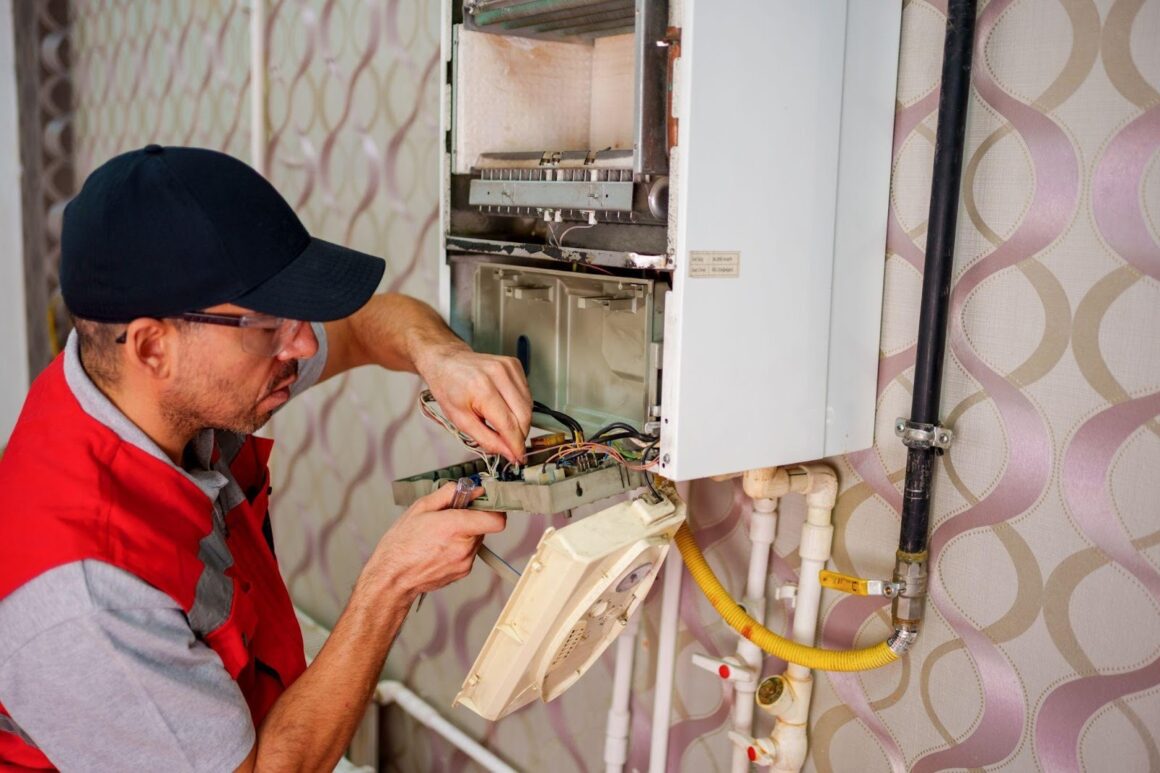
Now that you understand why preventive maintenance matters, the natural next step is figuring out how to make it part of your home care routine – and what else you can do to support your system’s longevity. The goal isn’t just to avoid breakdowns but to build a resilient, efficient heating strategy that lasts for years.
Build a Seasonal Maintenance Checklist
Don’t wait for the first snowfall to think about your furnace. Start your winter heating preparation in early fall, when service demand is lower and technicians have more availability. A simple annual checklist might include:
- Replacing or cleaning air filters (every 1–3 months during heating season)
- Clearing debris around outdoor units (for heat pumps or hybrid systems)
- Testing thermostat settings and programming schedules
- Checking for unusual noises, odors, or uneven heating during initial run
- Scheduling a professional inspection before temperatures consistently drop below 0°C
This proactive rhythm helps catch subtle changes – like slower warm-up times or increased runtime – that often signal emerging furnace performance issues.
Recognize Early Warning Signs at Home
You don’t need technical training to spot potential trouble. Pay attention to these everyday indicators:
- Rising energy bills without changes in usage
- Cold spots in rooms that used to heat evenly
- Frequent cycling (the system turns on and off every few minutes)
- Yellow burner flame (should be blue in gas furnaces – yellow may indicate incomplete combustion)
- Unexplained humidity changes or stuffy air
These aren’t emergencies yet – but they’re strong signals that your system needs evaluation to preserve home heating reliability.
Consider System Age and Upgrade Timing
Even with perfect care, all heating equipment has a lifespan – typically 15 to 20 years for modern furnaces. If your unit is approaching or past this mark, maintenance becomes more about managing decline than ensuring peak performance. In such cases, it’s wise to:
- Get an efficiency assessment during your annual tune-up
- Compare repair costs against potential savings from a new high-efficiency model
- Explore rebates or incentives for upgrading older residential heating systems
Newer models not only reduce the risk of emergency heating failures but also offer smart features like remote diagnostics and adaptive airflow – adding layers of protection you didn’t have before.
Pair Maintenance with Whole-Home Efficiency Upgrades
Maintenance works best when supported by a well-sealed, insulated home. Simple improvements like weatherstripping doors, sealing attic gaps, or adding basement insulation reduce the load on your heating system. Less strain means fewer stress-related failures and smoother operation – even during deep freezes.
Think of it this way: preventive maintenance keeps your engine tuned, but good insulation ensures you’re not driving with the windows down in a blizzard.
Final Thoughts: Peace of Mind Starts Before the First Frost
Winter doesn’t announce its arrival with a warning – it simply arrives. And when it does, your heating system becomes more than a comfort feature; it’s a critical line of defense against frozen pipes, health risks, and household disruption. The difference between a smooth season and a stressful emergency often comes down to one simple habit: taking action before you’re forced to.
Preventive maintenance isn’t about fear – it’s about foresight. It transforms uncertainty into confidence, knowing your system has been inspected, cleaned, and calibrated for the demands ahead. Whether you live in a prairie city, a coastal town, or a northern community, the principles remain the same: small investments in care yield outsized returns in reliability, safety, and efficiency.
More Stories
What Is Mega888 Free Credit and How Does It Work?
Designing Luxury Spaces for Private Evenings
How to Care for Peonies in Southern Regions