

Many homeowners are rethinking the surfaces in their kitchens as tiles start to show their limits in busy daily use. Grout becomes harder to keep clean and the surface can stain quicker than expected, which makes the room feel worn even when you make sure to stay on top of maintenance work.
Hygienic wall cladding offers a cleaner and more practical alternative that suits modern home cooking. Read further to see why this shift from tiles to cladding is happening across UK kitchens.
Hygienic Wall Cladding Versus Traditional Tiles
Tiles have been used in kitchens for years, but they come with joints that collect grease and moisture even when you clean them often. Grout naturally absorbs liquids and dirt, so the colour can change over time, which makes the surface look older and less hygienic. This becomes more noticeable around hobs and sinks where splashes happen daily.
Hygienic wall cladding replaces these joints with a smooth and continuous finish. Instead of small gaps, you get a surface that does not trap grime. This makes routine cleaning quicker and far less demanding. Today, homeowners are going for premium hygienic wall cladding solutions because the sheets resist moisture and stains more effectively than standard tiles.
Why Tiles Become Difficult to Keep Clean
When you cook, tiny droplets from frying, boiling or roasting land on nearby walls. Tiles can cope with the heat, but the grout absorbs these droplets and darkens with time. You often need strong cleaners or repeated scrubbing to restore the area, which can damage the finish.
Cladding stays easier to wipe for longer, because the surface does not absorb residue so the kitchen remains brighter years and years into the future.
Maintenance Differences That Matter Day to Day
Tiles require ongoing attention because grout needs regular scrubbing to stay fresh. Even when sealed, it can chip or crack which exposes more areas for dirt to settle. Over time, this work adds up and homeowners find themselves spending more effort on cleaning than they expected.
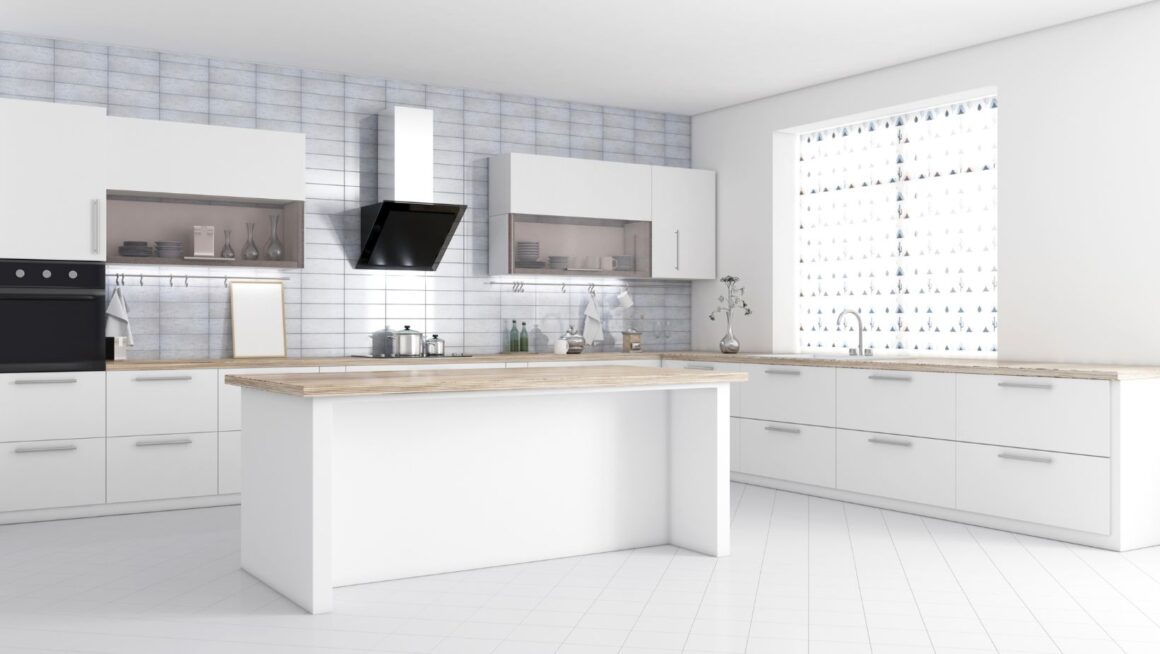
Hygienic wall cladding changes this pattern with a non-porous surface that keeps moisture out. You can clean it with simple household products and a soft cloth, which fits well into a busy routine. This appeals to homeowners who want a kitchen that looks crisp without long weekly cleaning sessions.
Installation Impact: Choosing Cladding Means a Smoother Upgrade
Replacing tiles often involves noisy removal work that creates dust and disruption. The process can add days to a project because you need to strip the old surface, prepare the wall and install the new tiles. Grout must also cure before you can clean or use the space fully.
Cladding avoids much of this because installers can fix the sheets over suitable existing walls. This means less noise and a shorter project, so your kitchen returns to normal sooner. The result is a cleaner and more uniform finish that feels updated without the stress of a traditional re-tile.
The sheets are cut to size so the installer uses fewer materials and completes the work faster. Trims finish the edges neatly and create tight joins that support hygiene, which helps the space feel more modern.
Key Takeaways
As kitchen routines change, homeowners want surfaces that balance style, hygiene and long-term value. Hygienic wall cladding now comes in various colours and finishes so you can match the room’s design while gaining stronger moisture resistance than tiles. It reflects light well, which can make compact kitchens feel brighter and more inviting.
When comparing both options, cladding stands out because it delivers easier upkeep, smoother surfaces and quicker installation. These advantages help you maintain a cleaner and more practical kitchen that supports everyday life without constant scrubbing.
More Stories
Planning a Home Studio? Start With Your Room’s Acoustics
3 Mindset Shifts That Will Change How You Travel
How Global Living Is Shaping Modern Design Choices at Home