
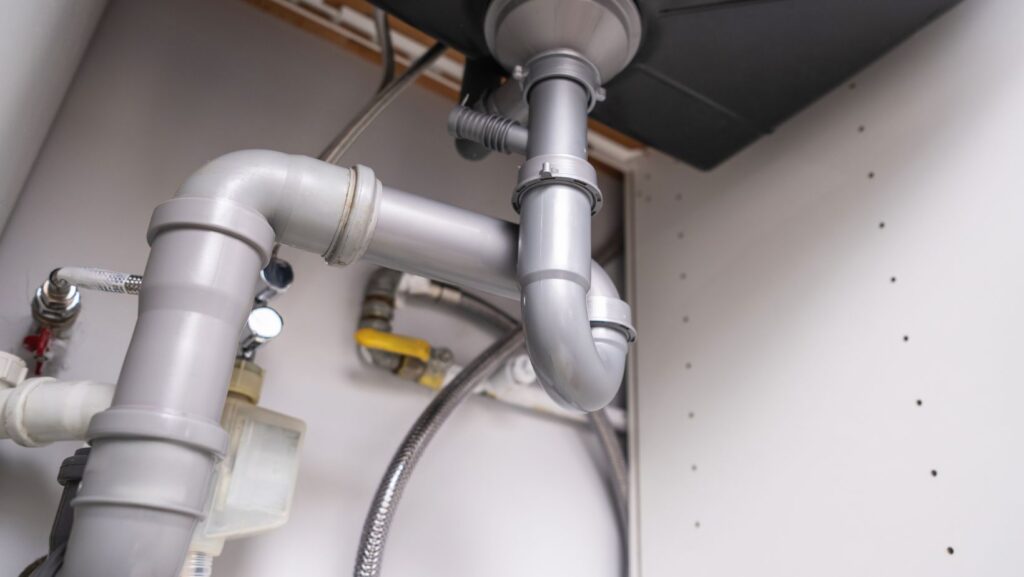
Plumbing problems rarely begin with dramatic flooding or obvious pipe failures. In many homes, the earliest warning signs start quietly under sinks, behind cabinets, or beneath floors where small drainage components do most of the work. When those parts struggle, the entire system feels the impact.
A slow sink, an occasional odor, or moisture near a cabinet base may seem minor at first. However, these signals often point to localized drainage issues that deserve attention before they grow into something more disruptive. Homeowners who prefer early solutions often look for experienced local help. Ben’s Plumbing helps with a clogged drain in Redmond, as well as nearby areas like Bellevue, Kirkland, and Sammamish, offering practical support when drainage behavior starts changing.
Understanding how these smaller elements affect daily performance allows homeowners to respond sooner and avoid unnecessary damage.
How Drainage Problems Usually Begin
Most residential drain issues develop gradually. Water carries soap residue, food particles, hair, and minerals through narrow pathways designed to manage constant flow. Over time, residue clings to pipe interiors, especially in curved or low-flow sections. Once buildup reaches a certain point, water movement slows, pressure changes, and symptoms become noticeable.
Because these changes happen out of sight, many homeowners assume the issue will resolve on its own. Unfortunately, waiting often allows material to compact, making future cleaning more difficult and increasing stress on joints, seals, and nearby fittings.
Early Signs That Point to Local Drain Trouble
Drainage systems communicate problems subtly before full blockages occur. Recognizing these indicators helps homeowners act early and limit disruption:
- Water draining noticeably slower than usual from sinks or tubs
- Intermittent gurgling after fixtures finish running
- Dampness beneath cabinets without visible leaks
- Odors appearing even after surface cleaning
- Minor backups that clear temporarily, then return
Each symptom suggests resistance somewhere in the line, often near frequently used fixtures. Addressing these signs promptly prevents pressure from pushing debris farther into branch lines or shared piping.
Why Small Drain Issues Affect the Entire System
Localized drainage trouble rarely stays isolated. When water cannot pass freely through one section, pressure shifts elsewhere. That change can affect nearby fixtures, alter venting balance, or strain seals that were previously secure. Over time, small obstructions contribute to larger performance problems throughout the plumbing network.
Homes with multiple bathrooms, finished basements, or guest suites may experience these effects sooner. Shared lines amplify the impact of even modest buildup, making early intervention especially valuable in larger or more complex layouts.
Safe At-Home Steps That Sometimes Help
Light buildup near fixtures can occasionally improve with careful, non-invasive maintenance. Gentle methods reduce risk while supporting normal flow. Flushing drains periodically with warm water helps soften soap film before it hardens. Mesh strainers prevent hair and debris from entering lines in the first place.
Baking soda followed by vinegar may loosen thin residue in certain cases, provided it’s used sparingly and flushed with warm water afterward. These approaches work best when symptoms are new and limited. Persistent issues usually indicate deeper resistance beyond the reach of household remedies.
When Professional Attention Becomes the Smarter Choice
Recurring slowdowns or repeated odors often signal buildup beyond fixture-level components. At that stage, professional tools provide safer and more effective results. Licensed technicians can assess resistance points, clear material without damaging pipes, and identify structural concerns that basic cleaning cannot resolve.
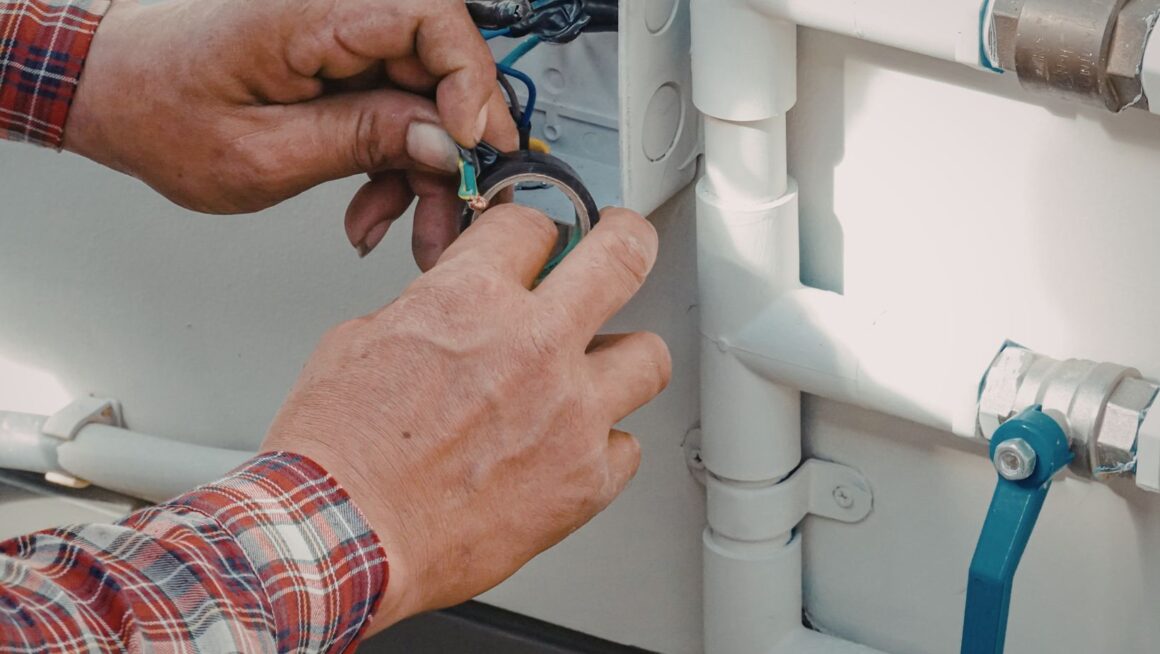
Specialized equipment such as camera inspections reveals exactly where resistance forms, eliminating guesswork. This targeted approach prevents unnecessary disassembly and reduces the chance of pushing debris deeper into shared lines.
Experienced plumbers focus on restoring full system balance rather than clearing a single spot. Their work often includes:
- Removing compacted residue from curved sections
- Clearing buildup from branch lines before it spreads
- Inspecting seals and connections for early wear
- Identifying venting or slope issues affecting flow
- Recommending preventive steps based on usage patterns
This broader perspective helps homeowners avoid repeated service calls while maintaining consistent drainage throughout the house.
Why Local Expertise Matters
Plumbing systems reflect regional building practices, soil conditions, and water composition. Professionals familiar with local infrastructure understand common problem areas and material behaviors. That insight improves diagnostic accuracy and reduces disruption during service.
Ben’s Plumbing brings this regional knowledge to every visit, working carefully within finished spaces and addressing drainage concerns with methods suited to Pacific Northwest homes. Their approach prioritizes precision, cleanliness, and long-term performance rather than temporary fixes. For plumbing businesses, visibility within their service area is just as important as technical skill, which is why understanding Local SEO for plumbers plays a key role in connecting homeowners with trusted professionals nearby.
Final Thoughts
Drainage systems rely on small, often overlooked components to function properly. When those parts struggle, early signs appear long before serious damage occurs. Recognizing subtle changes, responding promptly, and seeking qualified help when needed protects both comfort and property value.
With the right attention and professional support, homeowners can keep drains working quietly in the background—exactly where they belong.
More Stories
Why Seasonal Lawn Care Services Is a Must for Keeping Your Grass Healthy Year-Round
Why Sacramento’s Food Scene is World-Class
Leading Residential Property Management Companies in Australia