
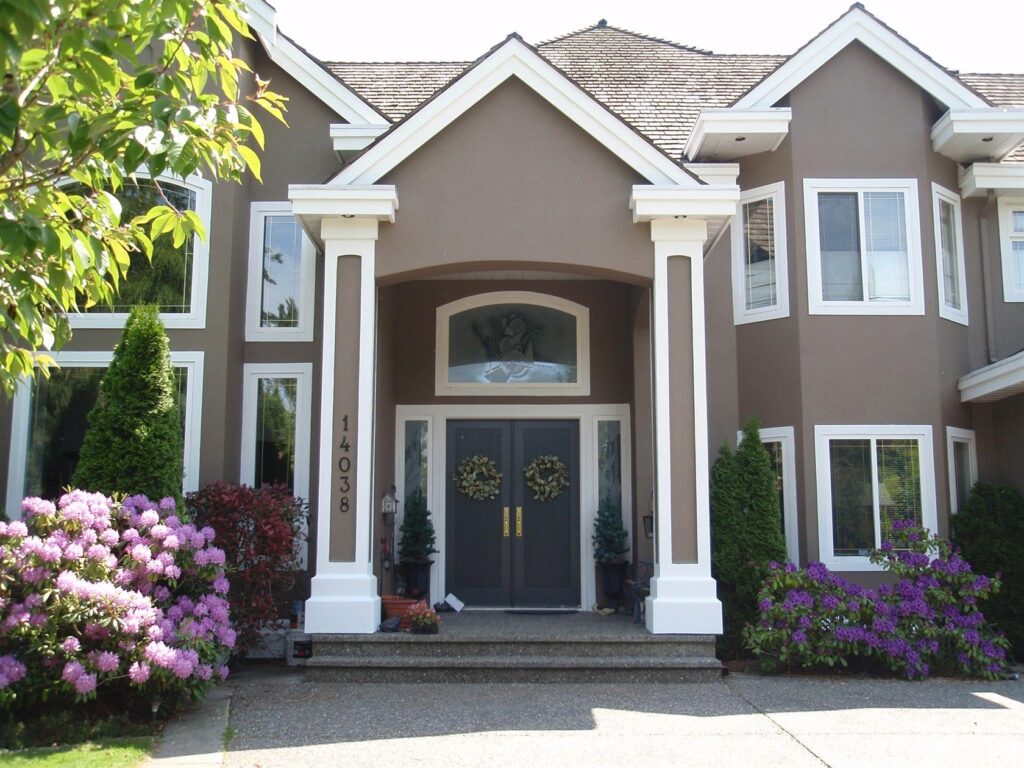
Greater Cleveland homeowners know the drill: the weather here can flip fast, with long winters full of snow, humid summers, and those unpredictable shoulder seasons. Picking the right time for an exterior painting project makes a real difference in how smoothly things go and how well the finish holds up. It’s not just about avoiding rain—temperature, humidity, and drying conditions all play into getting a durable result that stands up to lake-effect weather and freeze-thaw cycles.
Many residents plan these updates around the calendar to dodge the extremes. Spring and fall often emerge as favorites for good reason, offering milder days that let paint apply and cure without major hiccups. Summer works too in stretches, but the heat and pop-up storms add variables. The key lies in watching forecasts closely and aiming for consistent conditions.
For homeowners exploring professional help with these seasonal projects, services specializing in residential exterior painting understand the local quirks and time things accordingly to match the region’s demands.
Why Weather Rules the Schedule in Northeast Ohio
The area’s climate doesn’t make exterior work easy year-round. Winter brings sub-freezing temps and moisture that can trap in wood or siding, leading to issues later. Paint applied in the cold often fails to bond properly or cure fully—latex varieties, common for exteriors, need at least 50°F for decent performance, and ideally higher for best results.
Humidity spikes in summer can slow drying or cause blushing on some finishes. Heavy dew in early mornings or evening cool-downs complicates things further. That’s why timing isn’t optional; it’s essential for avoiding peeling, cracking, or uneven sheen down the road.
Late Spring: A Sweet Spot for Many Homeowners
Come late May through June, things start looking promising. Temperatures climb into the 60s and 70s consistently, days lengthen, and rainfall patterns often settle after the unpredictable April showers. The ground dries out, surfaces stay workable, and paint flows on evenly without rushing against incoming heat.
Homeowners appreciate this window because gardens haven’t fully exploded yet—fewer plants to work around means easier access to siding and trim. Plus, the fresh coat gets to enjoy the whole warm season ahead, brightening things up just as barbecues and outdoor time ramp up. It’s a practical choice that feels rewarding when the neighborhood starts greening.
For deeper insights on ideal conditions, This Old House outlines key factors like temperature ranges and humidity in their guide to exterior painting prep and timing. The piece stresses cooler but stable weather for better curing.
Summer: Plenty of Opportunities with Some Caveats
June through August delivers long daylight hours and mostly dry spells, making it popular for bigger jobs. Warm surfaces help paint dry quickly, and crews can cover ground efficiently when the forecast cooperates.
That said, midday heat above 85°F can cause issues—paint might skin over too fast, trapping moisture underneath and leading to blisters later. Afternoon thunderstorms roll through often enough that smart planning involves checking extended forecasts and starting early or scheduling around dry stretches. Many locals lean toward early summer before the real humidity builds or late summer when things calm a bit.
Early Fall: Cooler Temps and Steady Conditions
September into early October often surprises with some of the best overall windows. Days stay pleasant—60s to low 70s—nights cool without freezing, and humidity drops compared to peak summer. Fewer intense storms mean more predictable stretches of clear weather.
The light has that crisp quality, making color choices easier to judge in natural conditions. Leaves start turning but haven’t dropped heavily yet, so cleanup stays manageable. A project wrapped up here lets the home look sharp through the holidays and into the next year, with the finish fully cured before winter sets in.
The U.S. Environmental Protection Agency touches on related home maintenance timing in resources about safe practices, including weather-aware approaches—see their overview in the Renovate Right guide for broader context on exterior work considerations (note: it focuses on lead safety but includes general prep notes).

What to Watch For No Matter the Season
Even in prime windows, a few habits help things along. Always confirm a multi-day dry forecast—no rain 24-48 hours before or after application. Avoid direct sun on freshly painted areas if possible; it can speed drying unevenly. Morning starts let dew burn off naturally, and late afternoons dodge peak heat.
Surfaces need to stay clean and dry too. Power washing earlier in the season clears winter grime, and repairs (like caulking gaps) hold better when done in mild weather. Little details like these stack up to make the end result more resilient against Northeast Ohio’s swings.
In the end, nailing the timing turns an exterior refresh from a chore into one of those home updates that feels genuinely uplifting. Whether it’s shaking off winter dullness in spring or giving the house a polished look before the holidays in fall, the right season sets everything up for success. Homeowners here get to enjoy the payoff through every changing backdrop the region throws their way.
More Stories
Bathtub Placement Ideas That Transform Your Bathroom Layout
MyIQ: Smarter Thinking for Better Home Design and DIY Projects
Shower Doors That Combine Functionality, Style, and Reliability