
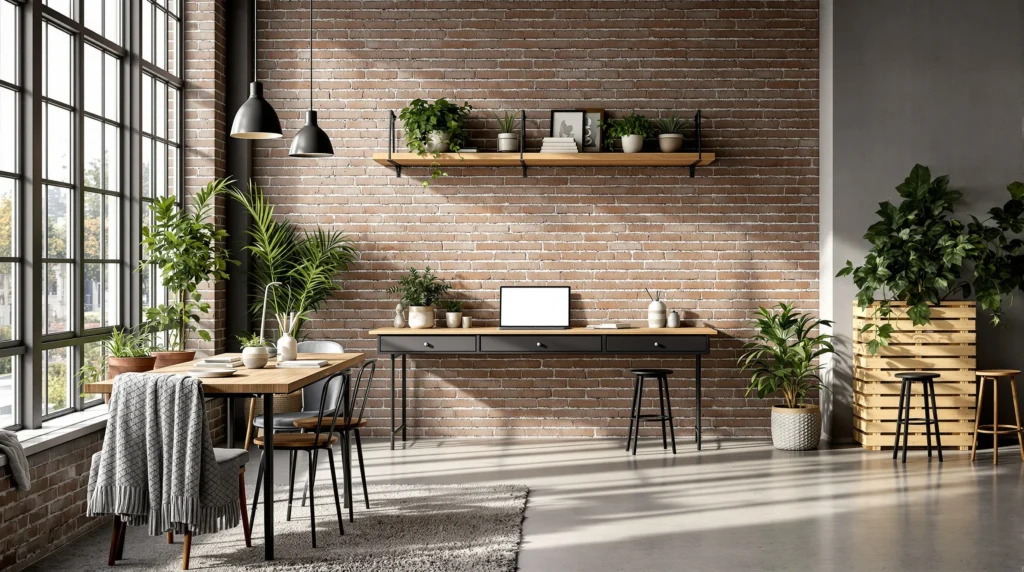
You walk into a living room. Sunlight hits a battered leather sofa, bouncing off a steel coffee table. The air smells faintly of sawdust and old books. There’s a story in every scratch on the wood, every exposed pipe overhead. This is rustic industrial interior design—where grit meets warmth, and every detail feels both raw and inviting.
What Makes Rustic Industrial Interior Design Stand Out?
Rustic industrial interior design isn’t just a style. It’s a feeling. It’s the comfort of a farmhouse kitchen mixed with the edge of a converted warehouse. If you’ve ever wanted your home to feel like a Brooklyn loft and a cozy cabin at the same time, you’re in the right place.
Here’s why this style grabs attention: it’s honest. You see the bones of the building—brick, steel, wood. Nothing’s hidden. There’s a sense of history, but also a sense of possibility. You can almost hear the echo of old machinery, but you’re sipping coffee in your slippers.
Key Elements of Rustic Industrial Interior Design
Let’s break it down. Rustic industrial interior design relies on a few core ingredients. Get these right, and you’re halfway there.
Raw Materials
- Exposed brick walls: Not the fake stuff. Real, chipped, uneven brick. It tells a story.
- Steel beams and pipes: Don’t cover them up. Let them frame your space.
- Reclaimed wood: Think barn doors, chunky shelves, or a dining table that’s seen a few family feasts.
Neutral, Earthy Colors
Rustic industrial interior design loves a muted palette. Picture charcoal, rust, tan, and faded green. These colors ground the space and let the textures do the talking.
Functional, Unfussy Furniture
Here’s the part nobody tells you: you don’t need to spend a fortune. Look for pieces with simple lines and sturdy construction. A metal stool from a flea market. A wooden bench with a few dings. If it looks like it could survive a few decades, it fits.
How to Bring Rustic Industrial Interior Design Home
If you’ve ever struggled to make your space feel both cool and comfortable, rustic industrial interior design might be your answer. Here’s how to start:
- Start with one statement piece. Maybe it’s a weathered dining table or a vintage metal locker. Let it set the tone.
- Mix textures. Pair rough wood with smooth metal. Add a soft wool throw to a steel chair. The contrast is what makes it work.
- Keep it uncluttered. This style isn’t about filling every corner. Leave some breathing room so each piece stands out.
- Use industrial lighting. Think Edison bulbs, metal pendants, or a lamp made from old plumbing parts. Lighting is where you can have fun.
- Add personal touches. Hang black-and-white photos, display old tools, or stack vintage books. These details make the space yours.
Common Mistakes (And How to Avoid Them)
Let’s be honest. It’s easy to go overboard. Too much metal, and your home feels like a garage. Too much wood, and it’s a hunting lodge. Balance is everything.
- Don’t forget comfort. Industrial doesn’t mean cold. Add soft rugs, big pillows, and warm lighting.
- Skip the fake finishes. Faux brick wallpaper or plastic “reclaimed” wood never looks right. Authenticity matters.
- Watch your color palette. Too many colors can kill the vibe. Stick to a few earthy tones and let the materials shine.
Here’s a lesson I learned the hard way: I once bought a shiny new metal bookshelf. It looked perfect online. In my living room, it stuck out like a sore thumb. The secret? Hunt for pieces with a little history. Scratches, dents, and patina add character.
Who Should Try Rustic Industrial Interior Design?
This style isn’t for everyone. If you love frills, bright colors, or polished perfection, you might feel out of place. But if you crave spaces that feel lived-in, honest, and a little bit rebellious, rustic industrial interior design could be your match.
It’s perfect for:
- Loft apartments with high ceilings
- Open-plan homes
- Anyone who loves flea markets and salvage yards
- People who want a home that feels both strong and welcoming
If you’re a neat freak who hates dust or you want everything to match, this style might drive you crazy. That’s okay. There’s a design style for everyone.
Tips for Sourcing Rustic Industrial Decor
Ready to hunt for treasures? Here’s how to find the good stuff:
- Check local salvage yards. Old doors, windows, and hardware can become statement pieces.
- Visit flea markets and thrift stores. Look for metal stools, wooden crates, and vintage signs.
- Shop online, but be picky. Search for “reclaimed wood” or “industrial lighting,” but always check reviews and materials.
- DIY when you can. Sometimes the best pieces are the ones you make yourself. Sand down an old table, or turn a pipe into a shelf bracket.
Here’s a secret: the best finds usually aren’t perfect. That dented locker or chipped table? That’s the good stuff. It’s what gives your space soul.
Why Rustic Industrial Interior Design Feels So Good
There’s something about this style that just feels right. Maybe it’s the honesty of the materials. Maybe it’s the way it mixes old and new. Or maybe it’s the freedom to break a few rules and let your space tell your story.
If you’ve ever wanted a home that feels both strong and soft, rustic industrial interior design delivers. It’s not about perfection. It’s about character, comfort, and a little bit of edge.
So go ahead—let the pipes show, let the wood be rough, and let your home feel like a place where stories happen. That’s the real magic of rustic industrial interior design.
More Stories
How Momo Handles Transform Kitchens and Cabinetry
8 Quick Centerpiece Ideas for Last-Minute Hosts
How to Set Up a Home Theater Room Without Breaking the Bank