
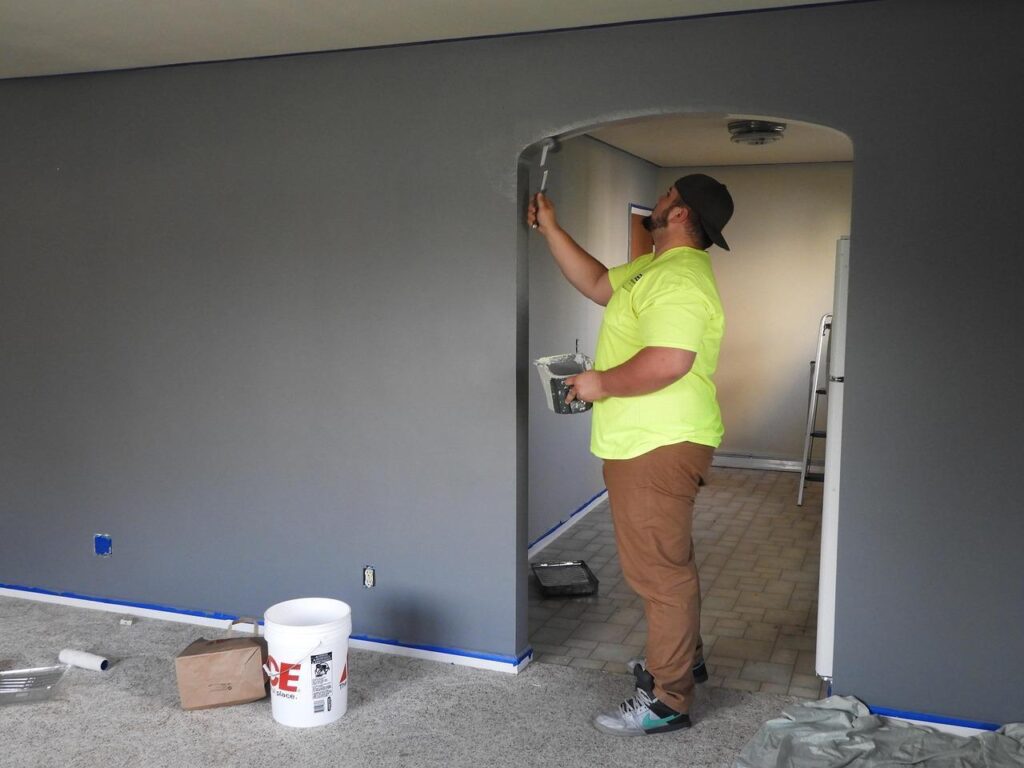
A home remodel brings a mix of anticipation and uncertainty, and early preparation shapes the entire experience. You should understand the scale of your project, the kind of changes you want to make, and the financial boundaries that keep everything manageable before any work begins.
Clear expectations help you estimate timelines, compare professional advice, and make choices that suit your home and lifestyle. A thoughtful start gives you confidence when plans shift, questions arise, or decisions feel overwhelming. Strong preparation sets the stage for a remodel that feels organized rather than chaotic.
Setting Goals That Guide Every Decision
A remodel benefits greatly from a clear sense of purpose. Your goals influence every design detail, every conversation with a contractor, and every dollar invested. Some homeowners focus on improving comfort or expanding space that no longer fits their routine. Others plan with resale in mind and want updates that appeal to future buyers. Distinguishing between these motivations prevents confusion later and helps you avoid choices that contradict your long-term vision.
A simple list of priorities works well at this stage. It should separate essential upgrades from enhancements that would be nice to have if the budget allows. This approach gives structure to your planning and helps you communicate expectations with clarity.
Financial Planning That Protects Your Budget
A remodel becomes easier to manage when you understand the financial landscape early. Costs vary based on design choices, square footage, labor demands, and the age of your home. Many homeowners begin with rough estimates and refine their numbers once the full scope of work becomes clear.
Some homeowners look into funding options like home remodeling loans to bridge the gap between savings and total project costs. Taking time to review financing options separately allows for more thoughtful long-term decisions. A dependable budget includes more than materials and labor. It should also account for shipping, disposal fees, temporary living adjustments, and a contingency amount for unexpected developments. A financial plan that anticipates real-world challenges helps you stay steady even when the project shifts slightly.
Choosing the Right Professionals for the Job
The quality of your remodel depends heavily on the team you select. A skilled contractor guides you through challenges, sets realistic expectations, and helps you refine ideas in ways that improve results. A review of portfolios can show how consistently a contractor delivers strong craftsmanship. Conversations with past clients offer insight into reliability, communication habits, and timeliness.
A detailed bid provides even more clarity. It outlines material choices, labor costs, scheduling, and potential variables. A contractor who explains these details thoroughly shows readiness to collaborate rather than rush.
Designing a Layout That Works for Your Daily Routine
A remodel transforms spaces you use every day, and thoughtful layout planning makes a significant difference. Rooms should feel comfortable, practical, and aligned with your routines. A kitchen redesign, for example, benefits from a workflow that supports cooking habits. A bathroom remodel improves long-term comfort when storage, lighting, and accessibility are considered early.
Trends often influence design choices, yet timeless features serve better when long-term satisfaction matters most. Subtle details such as outlet placement, cabinet depth, and traffic flow often affect how you feel in the space once the work is complete. A layout shaped around daily life delivers more value than one shaped only around aesthetics.
Understanding Permits, Approvals, and Local Requirements
A remodel becomes smoother when you understand the rules that apply to structural changes, electrical updates, plumbing work, or additions. Local authorities set specific requirements for safety and compliance, and certain improvements cannot move forward without documented approval. Timelines can shift when inspections are part of the process, so planning prevents delays later.
A brief conversation with your contractor or local permitting office helps you understand what your project requires. A remodel that follows proper guidelines avoids penalties, failed inspections, or setbacks that disrupt your schedule.
Selecting Materials That Fit Style and Durability Needs
A remodel gains long-term value when materials look good and hold up to daily use. Every surface, fixture, or finish experiences a different level of wear, so your choices should reflect how your household actually lives. A countertop that suits a busy kitchen may require a strong, low-maintenance surface, while a quieter space offers more freedom to choose delicate finishes that stand out visually.
A material’s lifespan becomes even more important when labor costs are high. Replacing a poorly chosen product a few years later disrupts the home again and creates expenses that could have been avoided with better planning. Availability also shapes material decisions. Lead times can affect project timelines more than most people expect, so early selection gives your contractor room to coordinate deliveries without slowing progress.
Preparing Your Living Space for Construction
A remodel invites noise, dust, and consistent foot traffic into your home, so preparation plays a key role in maintaining comfort. Rooms near the construction area should be cleared of items that could collect debris or become damaged. Furniture benefits from plastic coverings or movement to a safe location.
Spaces used for daily routines often need temporary adjustments. A kitchen remodel, for example, may require an alternate area for meal prep, while a bathroom project may require rearranging schedules so multiple people can share another space without inconvenience. Clear pathways keep workers efficient and protect your belongings.
Managing the Project Without Losing Momentum
A remodel stays on track when communication stays steady. Regular check-ins with your contractor give you a view of progress, upcoming tasks, and any changes that might shape the next phase of the project. A short conversation each week often prevents confusion and helps you make decisions with a full understanding of timing and cost.
Unexpected issues can appear once walls are opened or old materials are removed. A calm approach works best here. You can review the situation, explore available solutions, and choose an option that aligns with your goals. Clear documentation of changes helps you understand how adjustments affect the schedule or budget.
A remodel succeeds when each step builds on thoughtful preparation. Clear goals give direction, a realistic budget grounds every decision, and the right professionals support you with expertise that simplifies complex choices. A layout shaped around your lifestyle improves daily routines, while proper permits keep the project aligned with local requirements.
Materials selected with care offer comfort and durability, and a well-prepared home allows construction to unfold with fewer disruptions. A remodel brings new energy into a familiar space, and strong planning ensures the experience feels organized and rewarding.
More Stories
Rising Home Repair Costs and What Homeowners Can Do About Them
DIY Home Maintenance: Your Car Shelter, The Intelligent and Fashionable Way to Build
Garage Door Repair: Essential Tips and Professional Services