
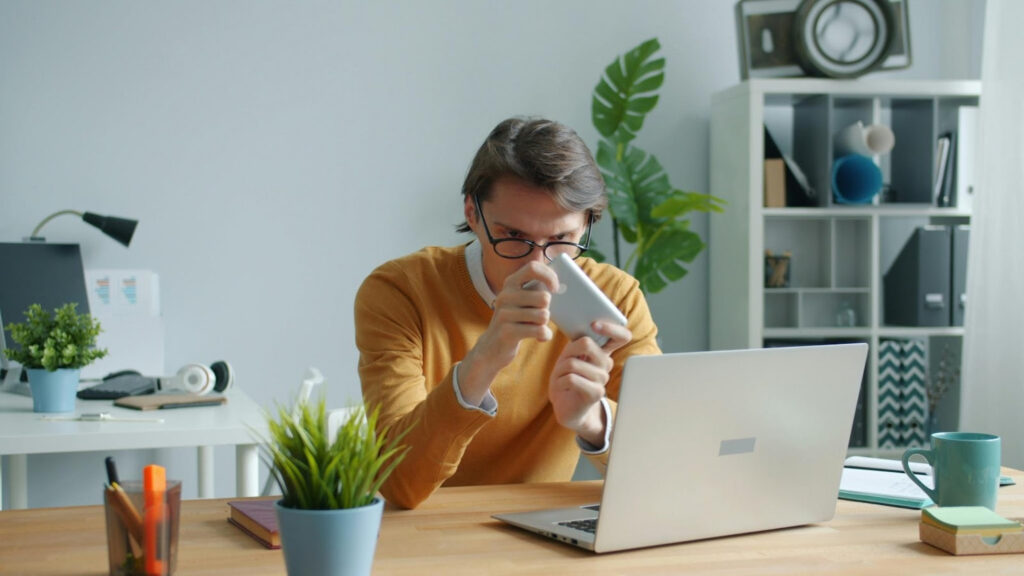
Procrastination affects not only productivity but also the body. Find out which physical symptoms signal chronic task postponement and how to restore balance
You sit down to work, open your task list, and realize that your body seems to freeze. Internal tension appears, your breathing stops, and your thoughts scatter. And this is not laziness, but the body’s reaction to stress.
Research shows that procrastination activates the same areas of the brain as fear. Therefore, when we avoid a task, the body perceives it as a threat, not physical, but psychological. And in response, a chain of reactions is triggered: cortisol (the stress hormone) rises, heart rate accelerates, muscles tense up.
Procrastination as Chronic Stress
If postponement becomes a habit, the body shifts into a mode of constant anxiety.
Typical physical signs include:
- Tension in the neck and back. This is a sign that the body is preparing to “defend itself,” even when there is no danger.
- Headaches and fatigue. Due to frequent overexertion and hormonal imbalance as increased cortisol.
- Shallow breathing. Overworking and stressing out all the time makes breathing shallow, which means the brain gets less oxygen, which makes anxiety worse.
- Sleep disturbances. Sometimes we can’t sleep because we’re worried about things we haven’t done yet. To avoid this, we try to get everything done, which can keep us up late.
And often we don’t notice these processes, but they greatly deplete our resources. A review of the Habitica alternatives shows that conscious tracking of bodily reactions and emotional states can help cope not only with chronic stress but also reduce avoidant behavior. Regular work with mindfulness and bodily signals over time helps restore balance and reduce anxiety levels.
Why the Body Freezes During an Important Task
When a task seems too large or emotionally significant, the brain activates a protective mechanism, the freeze response. The body appears to slow down its internal processes, and we involuntarily freeze, waiting for the tension to subside. As noted by The Liven app, conscious attention to bodily signals helps gently recognize this moment and reduce the level of internal stress. This state may be accompanied by slight numbness of the body, tension in the shoulders, and slowed, shallow breathing.
This reaction is not a result of laziness at all; it is triggered by perfectionism and a fear of judgment. We often don’t notice that avoidance brings brief relief and reinforces the cycle of anxiety. For example, closing the laptop and deciding to do something more pleasant, but then the anxiety not only returns, but also intensifies.
To break this cycle, it’s important not to fight with yourself, but to learn to understand the body’s signals. Notice how muscles tense up, pay attention when breathing becomes shorter, and thoughts become anxious.
How to Restore the Body’s Sense of Safety
Thoughts and attempts to simply force yourself to pull it together don’t work, especially when the body is signaling danger. The first thing to do is shift focus from the task to your state and redirect attention from the outcome to the sensation of being present in the moment.
- Take a pause and scan your entire body with attention. Notice where exactly in your body you feel tension. Try to describe this sensation in words, for example, tightness in the neck, pain in the back, or muscle tension. This practice will help reduce the intensity of emotions.
- Take three deep breaths: inhale through the nose, exhale through the mouth. And focus especially on the exhale, lengthening it each time to activate the parasympathetic nervous system and give the body a signal that everything is fine and under control.
- Gently stretch, make circular movements with your shoulders or light neck tilts, stretch your arms, and try to loosen your back with twists in your chair or side bends. Feel how the tension gradually leaves, bringing lightness to the body.
- If you feel anxiety, try doing a grounding exercise. Sit comfortably, and feel the floor with your feet. Focus attention on five things you see and name them. Then, on four sounds you hear. And shift attention to three things you can touch. This will help restore the sense of reality and safety.
To restore balance, you can also use self-observation tools, habit trackers, breathing practices, journaling, yoga, or mindful pauses throughout the day.
How the Body Reacts to Progress
When you finally manage to move from thoughts to action, the brain begins to release dopamine, the hormone of pleasure and motivation. This is not just the pleasure of a completed task and a checked box, but a signal to the brain: “I can handle this.” And with each completed action, the body gradually remembers the feeling of control and confidence. This gradually reduces fear reactions to zero.
Regular practice of taking steps helps to rewrite the cycle. You could start with small things like cleaning your desk, writing down one task on a sticky note and putting it somewhere you can see it, going for a short walk, or just making a cup of coffee. These kinds of actions make you feel like you’re making progress and help your body get used to acting without stress and pressure. And over time, the brain starts to link activity with peace and happiness instead of worry.

Conclusion: The Body Is Not an Enemy but a Navigator
Conscious attention to the body helps not only to cope with procrastination but also to strengthen an inner sense of stability. When we begin to notice physical signals and respond to them without pressure, we can gradually build trust in ourselves and restore a sense of inner support.
Do not perceive procrastination as weakness; it is a signal from your body about overload. The body is the first to notice when we get stuck in anxiety or self-criticism.
And if you learn to recognize these signals, you can regain control through mindfulness and care, without bringing the body to a state of stress.
When you notice that you are putting things off, do not blame yourself.
Simply ask yourself: “What do I need right now, rest, support, or a small step?”
The answer is already inside; just allow yourself to hear it.
More Stories
Why Seasonal Lawn Care Services Is a Must for Keeping Your Grass Healthy Year-Round
Why Sacramento’s Food Scene is World-Class
Leading Residential Property Management Companies in Australia