
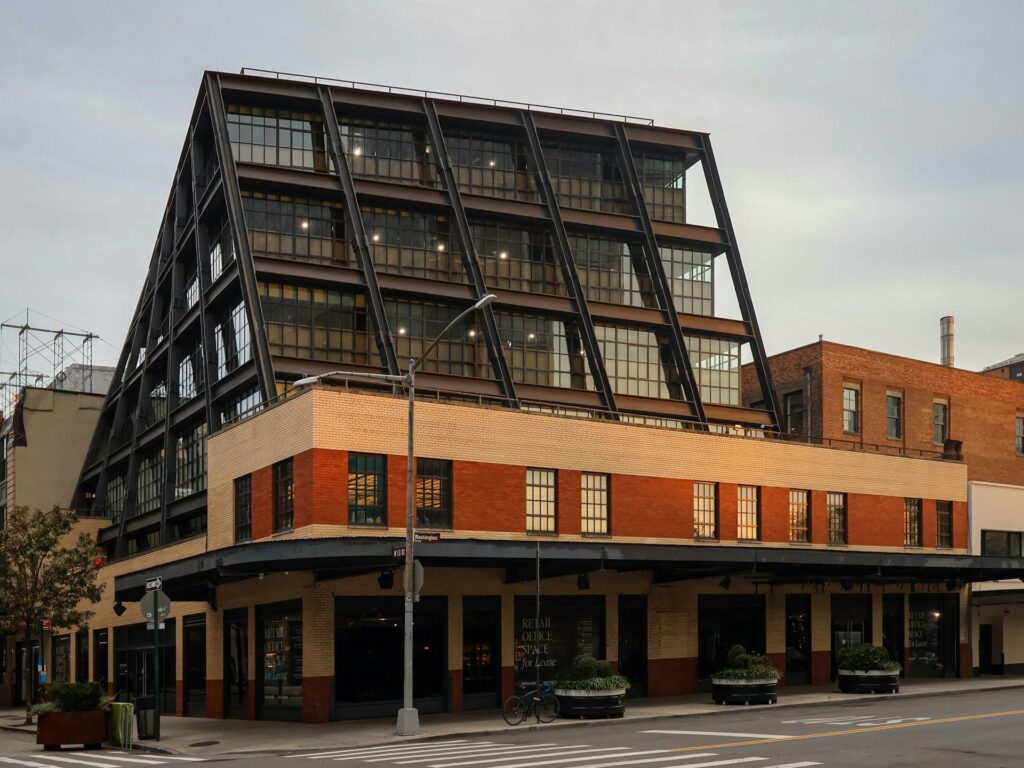
Steel offices are no longer cold or industrial-looking. Modern designs allow clean lines, bright interiors, and layouts that feel just as polished as conventional buildings. When budgets matter, flexibility and speed matter too. Steel checks both boxes while keeping long-term costs easier to manage. This approach helps businesses focus money on growth instead of walls.
When office costs start blocking growth
Office space often becomes a barrier right when a company needs room to move. Leasing larger spaces can strain monthly cash flow, and building traditional offices often demands large upfront spending. Many owners delay expansion because they fear committing to high construction costs. That delay can limit hiring, storage, or client meetings.
Steel buildings lower the entry point by simplifying the build process. Materials arrive pre-engineered, which reduces waste and labor hours. Fewer surprises mean fewer budget shocks during construction. That clarity helps owners plan with more confidence and less risk. Another challenge is timing. Missed deadlines can push opening dates back by months. Steel structures go up faster, allowing businesses to move in sooner and start earning. Time saved often equals money saved.
How steel cuts building costs early
Steel construction reduces costs right from the planning stage. Designs are standardized enough to control pricing while still allowing customization. That balance keeps architects, builders, and owners aligned on expectations. One trusted supplier that many businesses reference is Armstrong, known for practical steel building solutions.
Foundation work is often simpler compared to heavier construction methods. Steel frames place less load on the ground, which can reduce concrete needs. That single factor can trim a noticeable chunk from the total budget. Savings appear before walls even rise. Labor efficiency also plays a role. Crews assemble steel components quickly with fewer specialized trades involved. Shorter build timelines reduce labor expenses and limit weather-related delays. The result is a smoother path from empty lot to usable office.
Flexible layouts that grow with teams
Office needs rarely stay the same for long. A startup may need open desks today and private offices next year. Traditional buildings can make those changes costly and disruptive. Steel offices offer layouts that adapt without major structural changes.
Interior walls can be moved or added with minimal effort. Open spans allow designers to rethink space as teams evolve. This flexibility supports growth without requiring a new building every few years. That adaptability protects the original investment.
Steel buildings also support mixed-use layouts. Offices, storage, meeting rooms, and light production can coexist under one roof. That combination suits modern businesses that blend admin work with hands-on operations.
Long-term savings beyond construction
Initial build cost matters, though long-term expenses often matter more. Steel buildings are known for durability and low maintenance. They resist pests, moisture damage, and warping better than many traditional materials. Fewer repairs keep operating costs predictable.
Energy efficiency is another quiet advantage. Modern steel offices can be insulated to high standards, reducing heating and cooling bills. Large clear spans allow better airflow and lighting design. Over time, these efficiencies add up. Insurance costs can also be more favorable. Steel structures offer strong fire resistance and weather performance. Those qualities sometimes translate into lower premiums, adding another layer of savings year after year.
Professional look without premium pricing
Many people still picture steel buildings as plain boxes. That image no longer fits reality. Exterior finishes now include glass, brick facades, and modern cladding options. The result can look just as refined as conventional offices.
Inside, steel offices support polished interiors with clean ceilings and modern lighting. Natural light is easier to plan with wide wall spans. Clients walking in see a professional environment, not a budget compromise. Perception matters, and steel delivers.
This balance between appearance and cost allows smaller businesses to compete visually with larger firms. A strong first impression does not require overspending. Smart design choices do the work instead.
Planning an office that stays affordable
Choosing steel works best with clear planning. Businesses should think about current needs and future growth from day one. Square footage, ceiling height, and expansion zones matter early. Planning avoids costly changes later. Working with experienced designers helps align budget and function. Steel systems reward thoughtful layouts that maximize open space. Every square meter should serve a purpose. That discipline keeps projects lean.
A budget office does not mean cutting corners. It means choosing materials and methods that stretch value over time. Steel buildings support that mindset by offering speed, strength, and flexibility in one package. For businesses focused on smart spending, that combination makes real sense.
More Stories
Affordable Air Conditioner Repair Services Without Compromising Quality
Emergency Property Restoration and Damage Recovery Services in Greenfield, MA
Mr. Kraken — Your Trusted Partner for Home Repairs and Renovations