
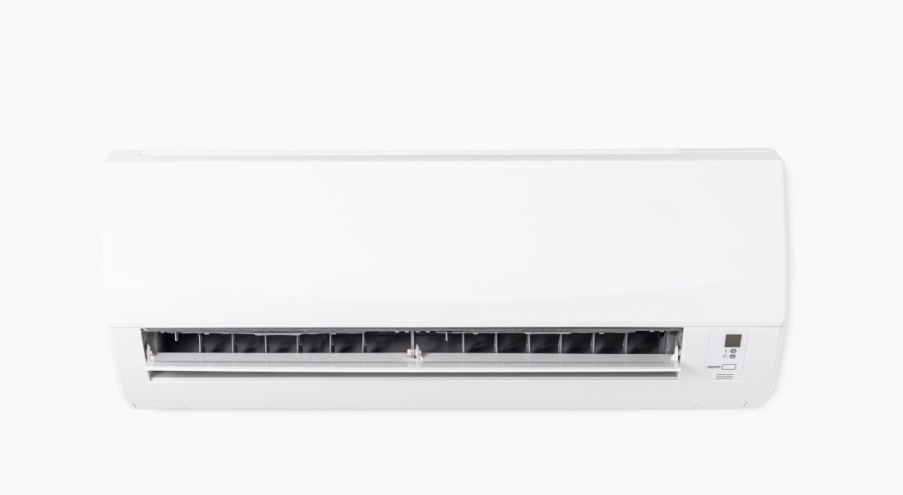
Air conditioning in most parts of the country is not seasonal equipment. It runs through most of the year and often for long, uninterrupted hours. Dust in the air, high outdoor temperatures, and constant use slowly affect how a system behaves. This is where regular Midea air conditioner maintenance becomes important. It should not be seen as a repair measure, but as basic care that keeps performance from slipping.
Maintenance does not make a unit stronger. It keeps it from getting weaker.
What maintenance really covers
Maintenance is often misunderstood as servicing alone. In reality, it is a series of small checks that prevent the system from operating under unnecessary strain. Airflow, cleanliness, drainage, and electrical stability all play a role in how an AC performs over time.
When these areas are ignored, the system compensates quietly. Consequently, it runs longer and draws more power. While cooling may happen, it may not be as efficient as before.
Situations that usually point to neglect
A system rarely fails without warning. Cooling may feel slower, especially during peak afternoon hours. Some areas of the home may remain warmer than others despite the same settings.
Some signs your Midea AC needs maintenance are:
- Rising electricity bills without any change in usage
- Smells from the vents
- Unfamiliar noises
- Moisture around the indoor unit (usually from dust buildup or blocked drainage)
To avoid AC malfunctions, it is important to have the following parts checked during maintenance.
Filters and air movement
Filters are usually the first components affected by dust. In homes where windows are opened occasionally or outdoor air enters easily, the buildup happens faster.
When filters clog, airflow drops. So, the system works harder to push air through. Clean filters make a noticeable difference in how evenly air moves through the space.
Refrigerant and cooling consistency
Refrigerant does not get “used up” during normal operation. When levels are low, it usually means something is wrong. Cooling becomes weaker, and the unit stays on longer.
Checking refrigerant levels requires proper tools and experience. Any refilling should be handled professionally. Running a system with incorrect levels puts stress on internal components and shortens its working life.
Coil condition and heat release
Dust on coils is easy to overlook because it builds slowly. Over time, it interferes with heat transfer.
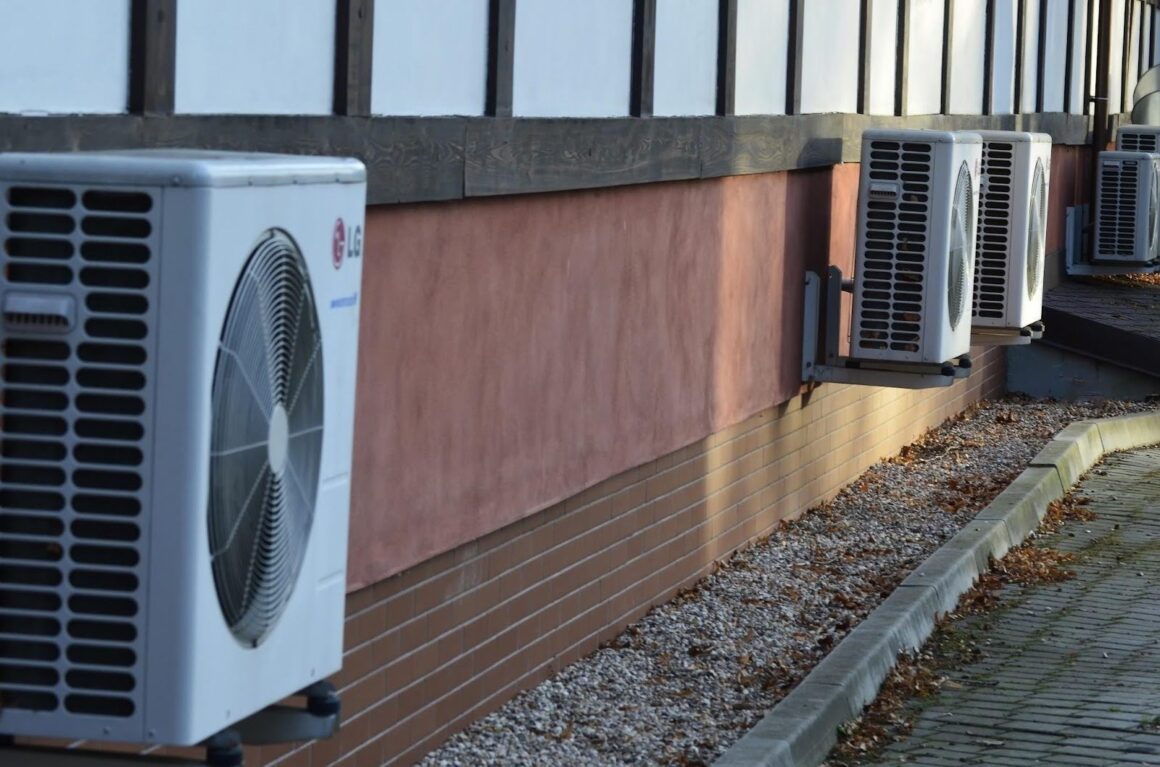
Indoor coils can be cleaned carefully using a soft brush. Outdoor units tend to collect sand and debris, so they should be kept clear. Water can be used gently; high pressure can cause damage. Clean coils allow the system to release heat properly. It will, thus, improve the cooling response.
Drainage and moisture
Water forms naturally during cooling. It leaves through the condensate drain. When this line blocks, water backs up.
This often shows up as damp patches, dripping, or increased indoor humidity. Regular checks of the drain pan and pipe prevent these issues and reduce the risk of mold.
Thermostat and electrical areas
Thermostats that read inaccurately cause unnecessary cycling. The unit may turn on and off more than required or fail to maintain a steady temperature.
Electrical connections also need attention over time. Vibration and heat can loosen connections. When ignored, this affects reliability and safety.
Air distribution and ductwork
The blower fan must remain balanced. When it is not, vibration and noise increase, and airflow suffers. Ducts should also be checked occasionally. Leaks allow cooled air to escape before it reaches living spaces. Sealing gaps improves consistency without increasing system load.
Conclusion
Regular Midea air conditioner maintenance is less about extending lifespan and more about preserving normal operation. Small issues, when left unattended, turn into expensive ones. Routine attention keeps cooling predictable and energy use controlled.
A well-maintained Midea system requires no attention. It simply does its job, day after day, which is exactly what is expected in a climate like this.
More Stories